
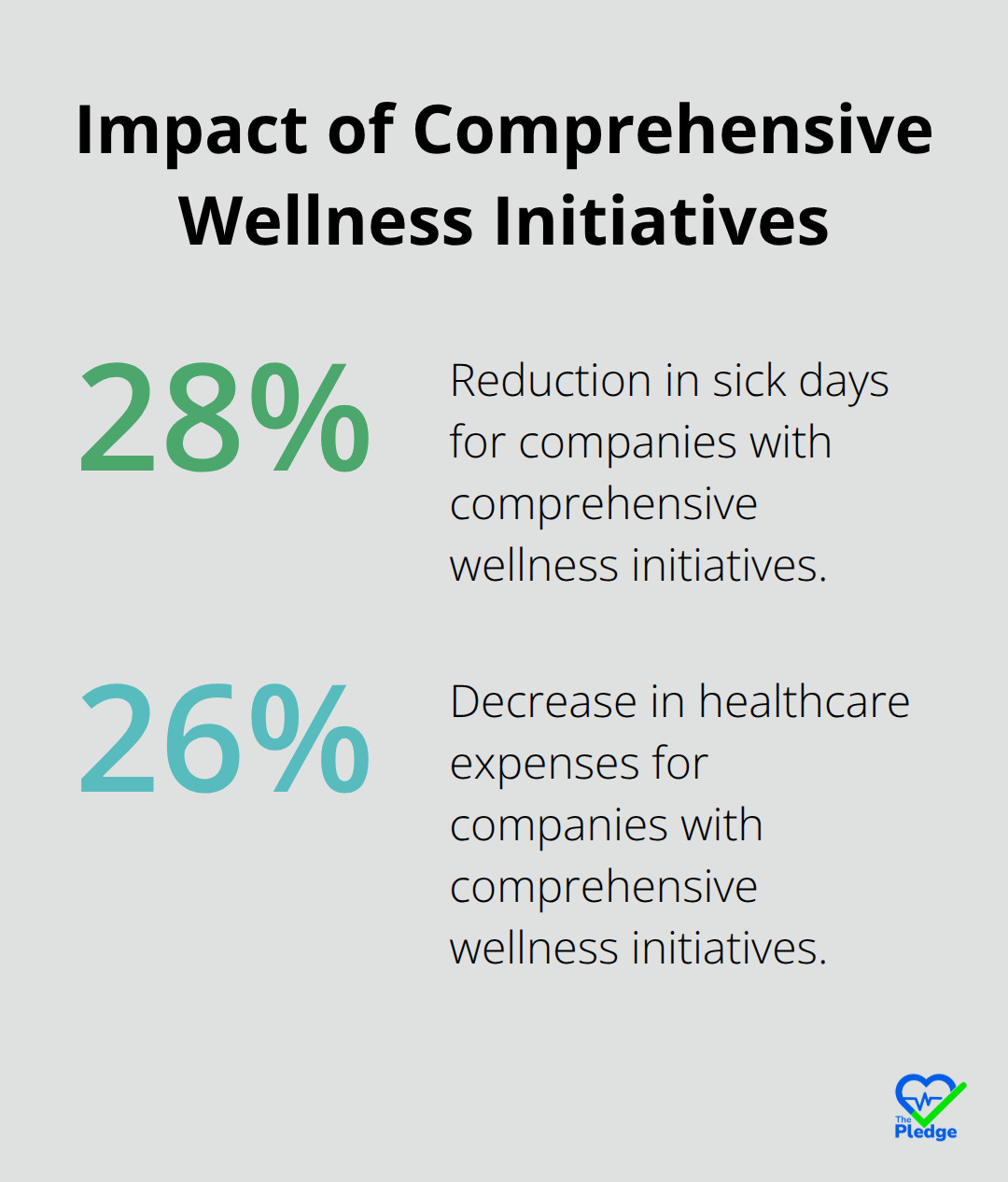
Workplace occupational and wellness programs directly impact employee productivity, retention, and healthcare costs. Companies with comprehensive wellness initiatives see 28% reduction in sick days and 26% decrease in healthcare expenses.
At The Pledge, we’ve analyzed successful workplace health strategies across industries. This guide covers proven methods to build effective wellness programs and safety protocols that deliver measurable results for both employees and employers.
What Makes Workplace Wellness Programs Actually Work
Successful workplace wellness programs share four non-negotiable components that separate high-performing initiatives from token efforts. Companies that implement comprehensive fitness programs report 25% lower healthcare costs according to the American Journal of Health Promotion, while organizations with on-site gyms see 23% higher employee retention rates.
Physical Health Initiatives Create Measurable Impact
Physical health initiatives must go beyond basic gym memberships. Effective programs include structured fitness challenges, ergonomic assessments, and movement breaks during work hours. Johnson & Johnson’s wellness program generates $3.27 in savings for every dollar invested, primarily through reduced absenteeism and lower insurance claims.
Organizations achieve better results when they offer diverse fitness options that accommodate different employee preferences and physical abilities. On-site fitness classes, walking meetings, and standing desk options create multiple pathways for employees to stay active throughout their workday.
Mental Health Support Drives Real Results
Mental health support directly impacts productivity metrics more than any other wellness component. Companies with employee assistance programs see 52% reduction in workplace accidents and 40% decrease in workers’ compensation claims. Approximately 65% of U.S. workers characterize work as a significant source of stress.
Stress management training should include cognitive behavioral techniques, not just meditation apps. Microsoft’s mental health initiative reduced employee burnout by 34% within six months through structured peer support groups and professional counseling access. Programs that combine individual therapy access with group workshops show the highest participation rates and sustained engagement.
Preventive Care Programs Reduce Long-term Costs
Preventive care screenings identify health risks before they become expensive problems. Organizations that offer annual biometric screenings report 28% lower healthcare premiums and catch chronic conditions 18 months earlier than reactive healthcare models.
Nutrition education programs work when they provide practical meal planning and healthy food options in workplace cafeterias. Google’s nutrition program increased employee vegetable consumption by 44% through strategic cafeteria redesigns and educational workshops, resulting in measurable improvements in employee energy levels and sick day reductions.
Strategic Resource Allocation Maximizes Program Success
Effective wellness programs allocate 60% of budgets to mental health and preventive care, with remaining resources split between fitness initiatives and nutrition education. Programs that show measurable ROI within 18 months focus on high-impact interventions rather than spread resources across multiple low-engagement activities.
The most successful programs integrate wellness initiatives into daily work routines rather than treat them as separate activities. This approach naturally leads to the next critical component of workplace health: comprehensive occupational safety strategies that protect employees from workplace hazards.
How Do You Build Safety Systems That Actually Prevent Accidents
Effective occupational safety starts with systematic hazard identification rather than reactive incident response. Companies that conduct quarterly risk assessments help reduce workplace injuries, as workplace safety remains a critical concern with 5,283 fatal work injuries recorded in 2023. The most successful organizations map workplace hazards with digital systems that identify patterns across departments, shifts, and equipment usage. Manufacturing facilities that use predictive analytics for hazard identification report fewer safety incidents within the first year of implementation.
Risk Assessment Technology Transforms Safety Management
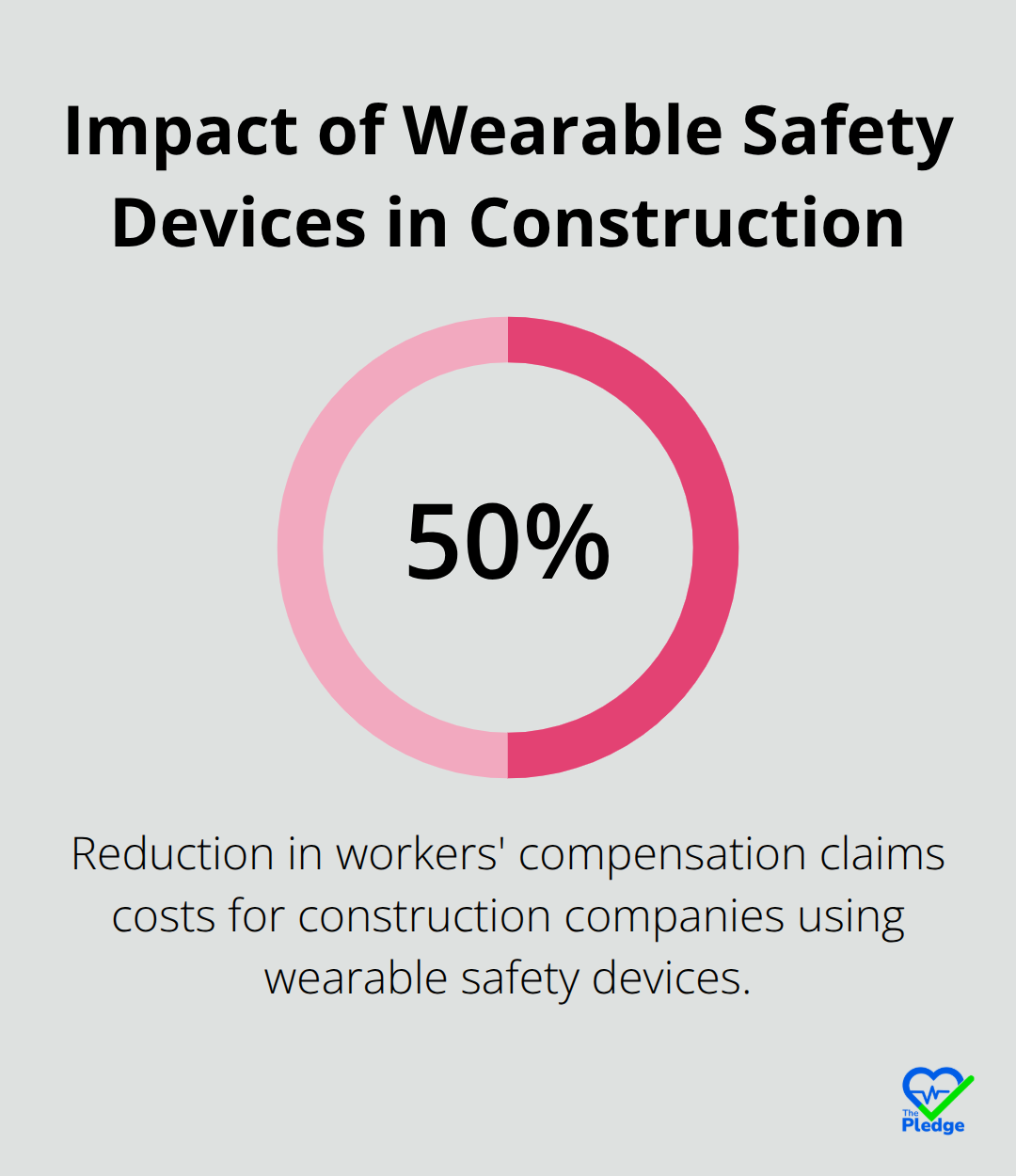
Modern safety management relies on real-time data collection through IoT sensors and mobile apps. Construction companies that use wearable safety devices see significant improvements in safety outcomes, with wearables helping reduce workers’ comp claims costs by up to 50% in high-risk environments.
Digital safety platforms track employee behavior patterns, equipment maintenance schedules, and environmental conditions to predict potential accidents before they occur. Organizations that integrate safety data with operational metrics identify more hazards than traditional paper-based systems.
Job-Specific Training Programs Prevent More Accidents
Generic safety programs fail to prevent workplace accidents. Job-specific safety education programs reduce injury rates compared to standardized approaches. Boeing’s targeted safety program decreased manufacturing errors through hands-on simulations and role-specific protocols. Effective programs combine virtual reality scenarios with practical exercises that mirror actual workplace conditions. Companies that update safety education quarterly based on incident data maintain higher safety compliance rates than organizations that use annual cycles.
Strategic Safety Equipment Integration Drives Compliance
Safety protocol implementation succeeds when equipment selection matches specific workplace hazards and employee workflows. Personal protective equipment compliance increases when companies involve employees in equipment selection processes rather than mandating top-down choices. Automated safety systems that integrate with existing operations show higher adoption rates than standalone safety tools. Organizations that standardize safety equipment across similar job functions reduce preparation time and improve consistent safety protocol adherence.
Regular Safety Audits Maintain Long-term Protection
Safety audits must occur monthly rather than annually to maintain accident prevention effectiveness. Companies that conduct frequent safety inspections catch more potential hazards before incidents occur. Digital audit systems allow safety managers to track compliance patterns and identify departments that need additional support or resources. These comprehensive safety foundations create the framework necessary to measure program effectiveness and calculate the return on investment that justifies continued wellness and safety spending.
How Do You Prove Wellness Programs Actually Work
Wellness program effectiveness requires specific metrics that directly connect to financial outcomes rather than vanity statistics. Organizations that track the right data points demonstrate clear ROI within 12 months, while companies that focus on participation rates alone fail to justify program investments. The most successful wellness programs measure employee engagement through behavior change indicators, not survey responses. Mindfulness training improves productivity by increasing focus and reducing distraction when companies track actual meditation session completion rates and correlate them with performance reviews and sick day usage.
Track Health Improvements Through Biometric Changes
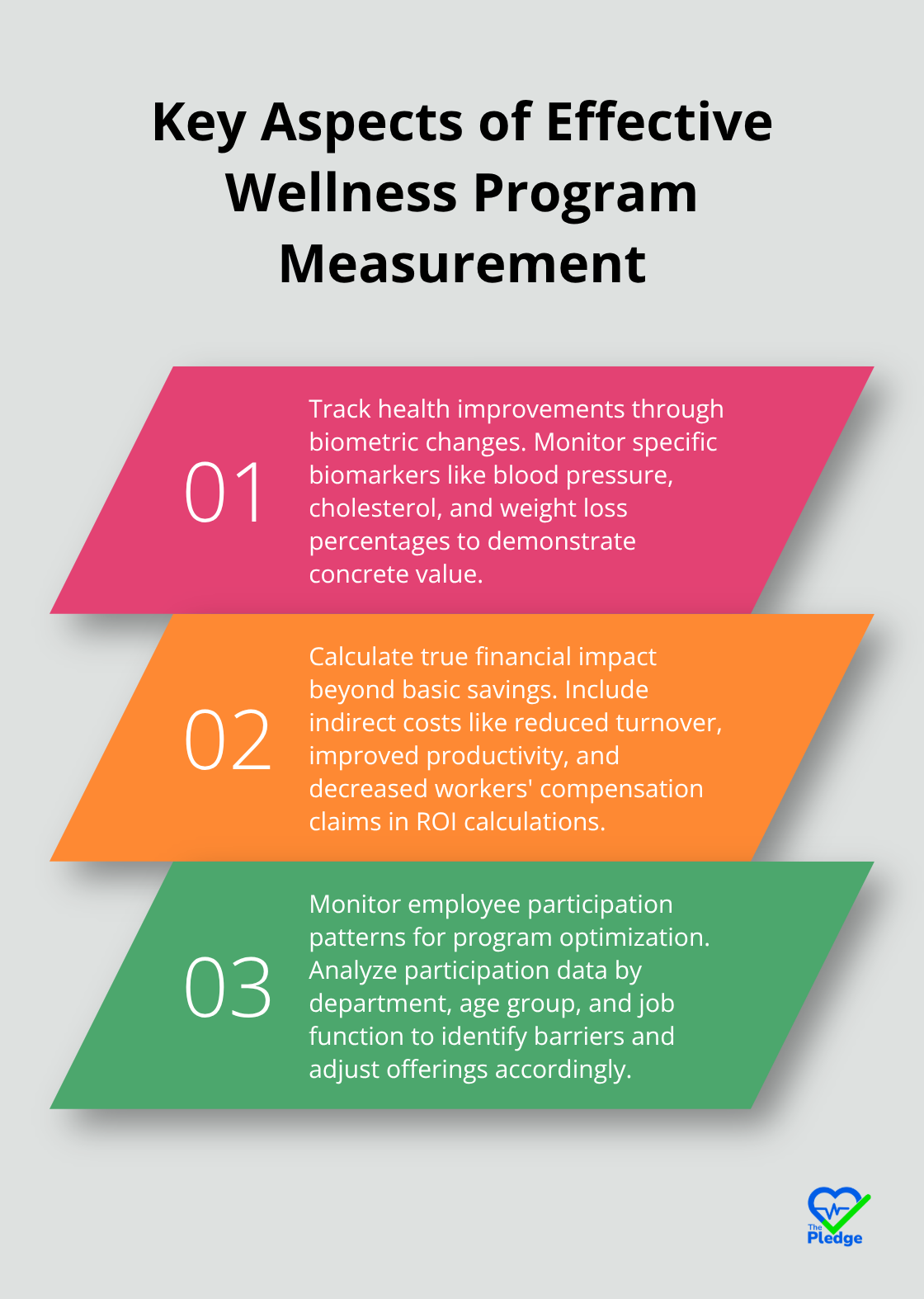
Effective measurement systems focus on quantifiable health improvements rather than program attendance. Companies that monitor blood pressure reductions, cholesterol improvements, and weight loss percentages demonstrate concrete value to executives and employees. PepsiCo’s wellness program achieved 67% reduction in healthcare costs when managers tracked specific biomarkers quarterly and adjusted interventions based on individual employee progress.
Digital health platforms that integrate with existing HR systems provide real-time dashboards that show health trend correlations with productivity metrics, absenteeism patterns, and healthcare claim reductions. Organizations that measure health outcomes monthly rather than annually identify program gaps faster and achieve better long-term results.
Calculate True Financial Impact Beyond Basic Savings
Wellness program ROI calculations must include indirect costs like reduced turnover, improved productivity, and decreased workers’ compensation claims. Comprehensive workplace health programs generate $3.27 return for every dollar invested when organizations track all cost categories systematically.
Companies that measure productivity improvements through project completion rates, quality metrics, and employee output data show stronger business cases than those that rely solely on healthcare cost reductions (particularly in knowledge-based industries). Effective wellness incentives also track long-term healthcare cost trends over 3-5 years, as preventive care benefits compound significantly over time, with organizations that see 40% lower chronic disease management costs after sustained wellness program implementation.
Monitor Employee Participation Patterns for Program Optimization
Participation metrics reveal which wellness components drive actual behavior change versus superficial engagement. Companies that analyze participation data by department, age group, and job function identify specific barriers that prevent program success. Organizations that track participation consistency over 6-month periods achieve 45% higher program retention rates than those that measure only initial signup numbers.
Successful programs monitor participation quality through completion rates, repeat usage, and progression through program levels rather than simple attendance counts. This data helps wellness coordinators adjust program offerings to match employee preferences and schedules (which directly impacts long-term program sustainability).
Final Thoughts
Workplace occupational and wellness programs produce measurable results when organizations implement comprehensive strategies that address physical health, mental wellbeing, safety protocols, and preventive care. Companies that combine structured fitness initiatives with mental health support achieve 28% reduction in healthcare costs and 52% fewer workplace accidents. The most successful programs allocate resources strategically, with 60% of budgets focused on mental health and preventive care while maintaining rigorous safety standards through quarterly risk assessments and job-specific training.
Organizations that track biometric improvements, productivity metrics, and participation patterns demonstrate clear ROI within 12 months. Effective implementation requires systematic measurement of health outcomes rather than participation statistics alone. Companies that monitor blood pressure reductions, stress management progress, and safety compliance rates achieve sustained program success and employee engagement (particularly in knowledge-based industries where productivity gains compound over time).
Modern digital health platforms that centralize medical information and provide AI-driven health reminders help organizations streamline wellness program management while improving employee participation rates. These integrated solutions support both immediate safety needs and long-term health outcomes through personalized dashboards and real-time health tracking. Start with comprehensive risk assessments, implement targeted interventions based on employee needs, and establish monthly measurement cycles to optimize program effectiveness and maximize return on investment.
![[Guide] Incentives That Drive Preventive Health Participation](https://thepledge.app/wp-content/uploads/emplibot/Guide_-Incentives-That-Drive-Preventive-Health-Participation_1783650286-300x168.jpeg)