
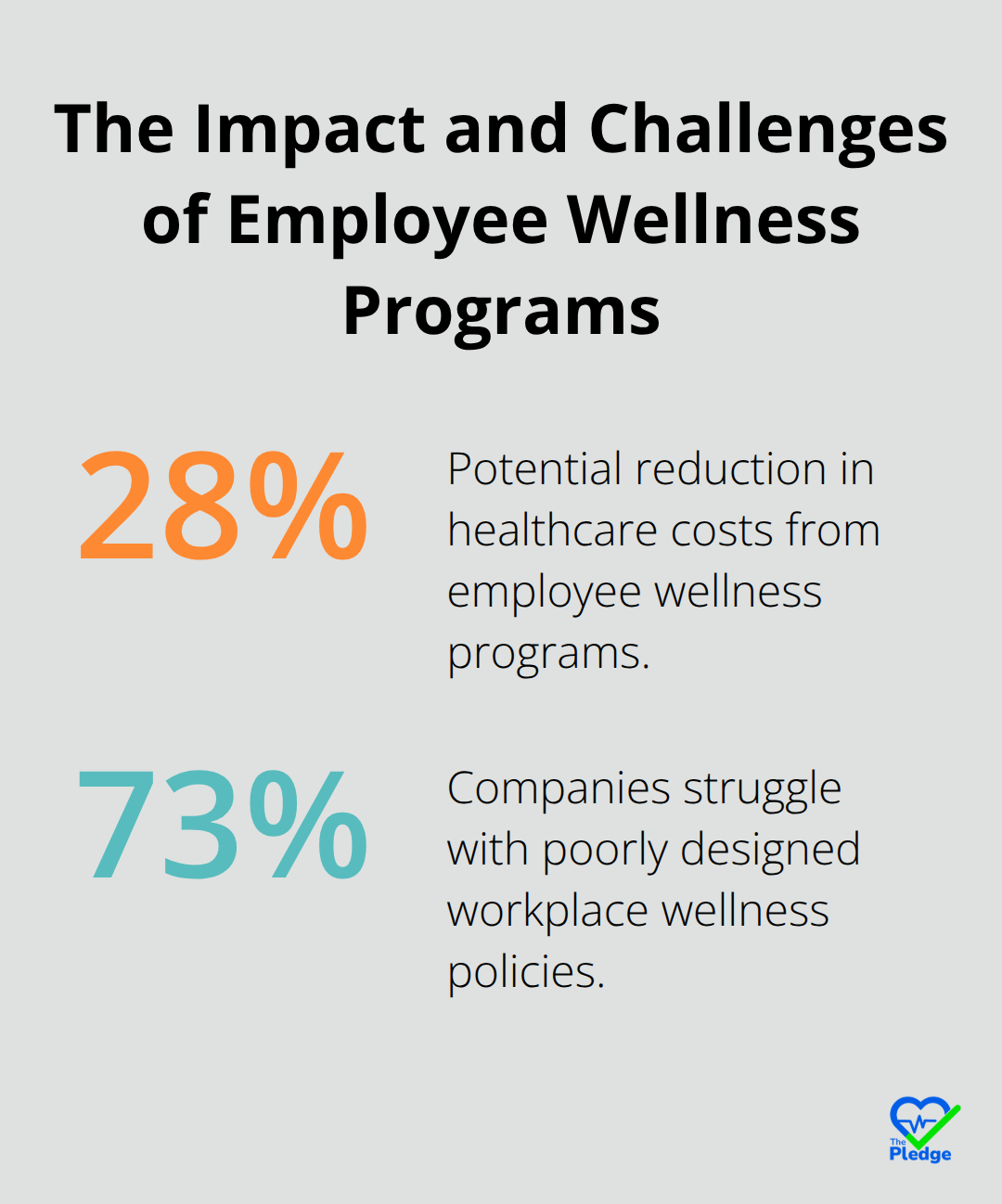
Employee wellness programs can reduce healthcare costs by up to 28% according to Harvard Business Review research. Yet 73% of companies struggle with poorly designed workplace wellness policies that fail to engage workers.
At The Pledge, we see organizations waste thousands on wellness initiatives that miss the mark. This guide shows you how to build policies that actually work and deliver measurable results.
What Makes Workplace Wellness Policies Actually Work
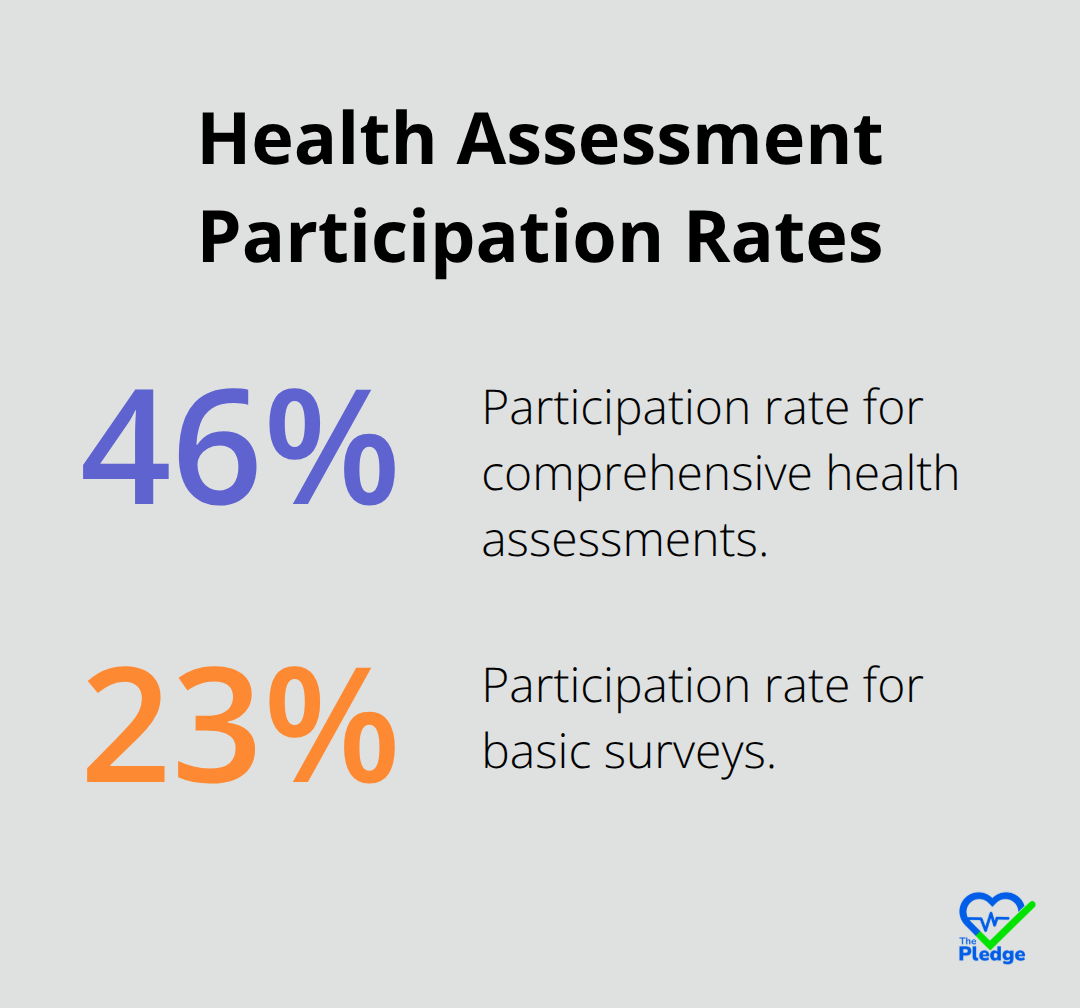
Effective workplace wellness policies require three non-negotiable components that most companies completely ignore. First, comprehensive health risk assessments must go beyond basic surveys to include biometric screenings, mental health evaluations, and workplace environment audits. Companies that use Health Risk Assessments see 46% employee participation in health screenings, but only 20% of those identified for interventions actually engage without proper follow-up systems.
The Financial Reality of Wellness ROI
The numbers tell a stark story about wellness program effectiveness. RAND Corporation research shows that well-designed programs generate three dollars in healthcare savings for every dollar invested, while Harvard studies demonstrate $2.73 in reduced absenteeism costs per dollar spent. However, 69% of employers rely on financial incentives that average $203 for general participation and $682 for programs that target tobacco cessation. The Affordable Care Act allows incentives up to 30% of coverage costs, yet most companies cap theirs at ineffective levels below $50. Smart organizations track specific metrics like blood pressure reductions, which correlate to 2-3% decreases in heart attack risk (according to New England Journal of Medicine data).
Legal Compliance Beyond Basic Requirements
Wellness programs must navigate complex legal frameworks while they maintain effectiveness. The Americans with Disabilities Act requires reasonable accommodations in all wellness activities, while HIPAA mandates strict health information privacy protections. Companies often overlook state-specific regulations that can impose additional requirements on biometric tests and health data collection. Programs that target chronic conditions like diabetes affect 56% of employer wellness offerings, which makes compliance with medical privacy laws absolutely critical for companies that want to avoid costly violations.
Technology Integration That Drives Results
Digital health platforms transform wellness program effectiveness when companies implement them correctly. Organizations that integrate AI-powered health management systems achieve 4x industry-standard engagement rates compared to traditional paper-based approaches. These platforms centralize vital medical information, benefits, and real-time health metrics while they send personalized reminders to employees. The most successful programs combine biometric screenings with digital dashboards that track progress and provide actionable insights to participants.
With these foundational elements in place, companies can move forward to design comprehensive policy frameworks that address their specific workforce needs and organizational goals.
How Do You Build a Policy Framework That Actually Works
Employee health assessments form the backbone of successful wellness policies, but most companies conduct them wrong. Effective assessments combine three data collection methods: biometric screenings that measure blood pressure, cholesterol, and BMI; comprehensive Health Risk Assessments that evaluate lifestyle factors like smoking, exercise, and stress levels; and workplace environment audits that identify physical and mental health hazards. Companies that use this triple approach see 46% participation rates in health screenings, compared to 23% for organizations that rely on basic surveys alone. The key lies in timing these assessments during work hours and providing immediate results with personalized action plans, not generic health tips that employees ignore.
Set Goals That Drive Measurable Change
Wellness policy goals must target specific health metrics with concrete timelines, not vague aspirations about employee wellbeing. Research demonstrates the efficacy of worksite health programs when they set specific improvement targets. Smart organizations establish three goal categories: immediate wins like flu vaccination rates reaching 80% within six months, medium-term objectives such as reducing smoking rates by 15% annually, and long-term targets including 10% reductions in healthcare claims over two years. Programs that track weight control demonstrate significant BMI reductions over multiple years, but only when companies set weekly check-in requirements and provide digital tracking tools that sync with existing health apps.
Create Programs That Work for Everyone
Inclusive wellness programs must accommodate different health conditions, cultural backgrounds, and work schedules to achieve maximum participation. Companies with diverse workforces see 40% higher engagement when they offer multiple program formats: on-site fitness classes for traditional workers, virtual wellness sessions for remote employees, and flexible timing options for shift workers. The most successful programs provide reasonable accommodations under ADA requirements while they maintain program integrity through alternative participation methods. Organizations that offer culturally appropriate nutrition counseling and multilingual health resources report 60% higher completion rates among minority employees compared to one-size-fits-all approaches.
Establish Clear Communication Channels
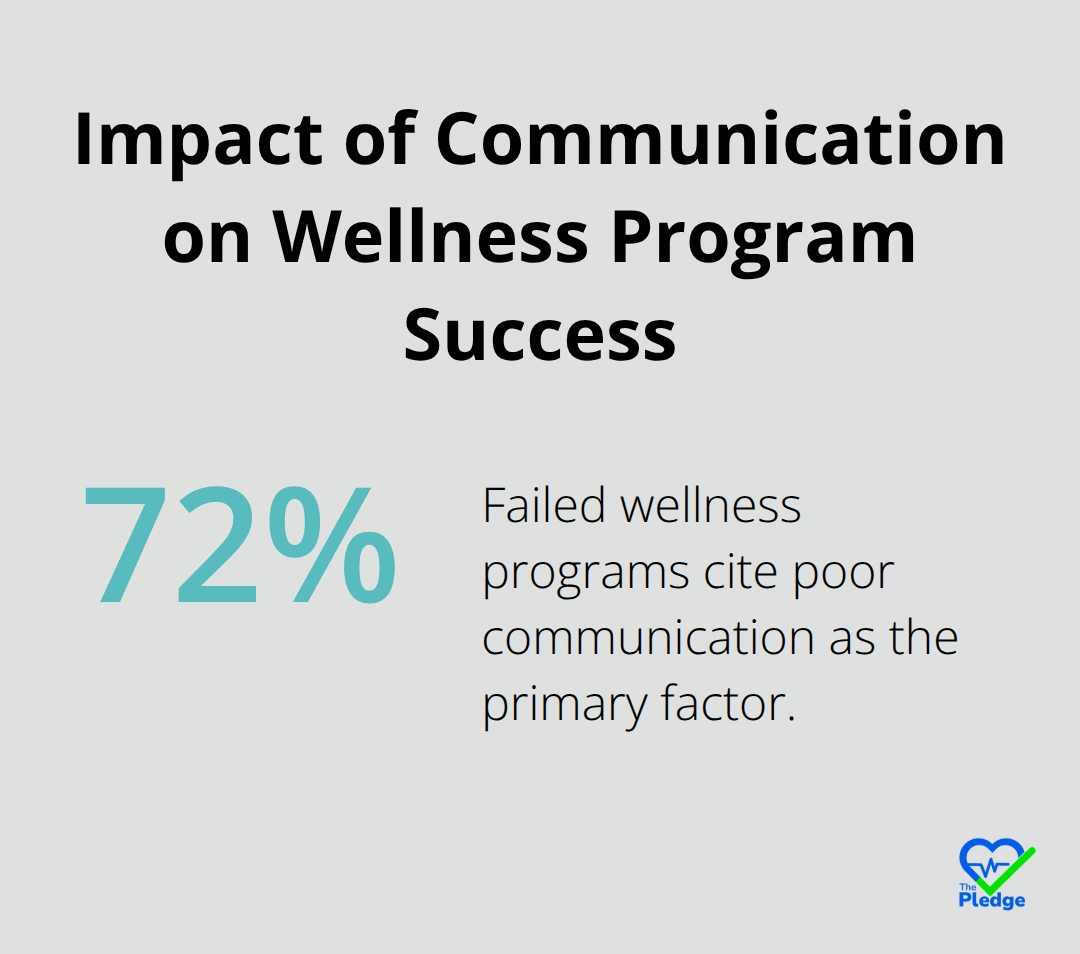
Communication strategies make or break wellness program success (with 72% of failed programs citing poor communication as the primary factor). Effective programs use multiple channels: email campaigns that highlight program benefits, workplace posters that display participation milestones, and manager-led team meetings that address employee concerns directly. Companies that send personalized health reminders through mobile apps see 3x higher engagement rates than those relying solely on generic company-wide announcements. Leadership involvement proves critical, as programs with visible executive participation achieve 85% higher employee buy-in rates.
These framework elements create the foundation for implementation, but success depends entirely on how well leadership supports the initiative and how effectively companies communicate program benefits to their workforce.
How Do You Get Leadership and Employees on Board
Leadership support determines wellness program success or failure, with visible executive participation being crucial according to workplace wellness research. CEOs and senior management must champion wellness initiatives through personal involvement, not just budget approval. Companies that mandate executive participation in health screenings and wellness activities see significantly higher employee engagement rates compared to organizations where leadership remains absent. The most successful approach involves creating executive wellness committees that meet monthly, track company-wide health metrics, and publicly share their own wellness journeys.
Executive Participation That Drives Results
Leaders should participate in the same biometric screenings, fitness challenges, and stress management programs they expect from employees. Companies with visible executive wellness participation achieve substantially higher employee buy-in rates than organizations where management stays on the sidelines. Smart executives share their health goals publicly, attend wellness events, and discuss program benefits during all-hands meetings. This approach transforms wellness from a corporate mandate into a shared organizational value that employees embrace willingly.
Communication Systems That Drive Participation
Effective wellness communication requires multiple touchpoints delivered consistently across different channels. Research shows that programs using multiple communication methods achieve higher participation rates than single-channel approaches. Smart organizations combine weekly email updates featuring employee success stories, mobile app push notifications for appointment reminders, and manager-led team meetings that address workplace wellness directly. Companies that send personalized health reminders through digital platforms see significantly higher engagement rates than generic company-wide announcements.
Strategic Communication Timing
The key lies in timing communications around payroll cycles and major health events like open enrollment periods when employees actively think about benefits. Organizations that coordinate wellness messaging with benefits communications see higher program enrollment rates. Successful companies also leverage seasonal health awareness campaigns (flu season, heart health month) to reinforce program value and maintain year-round engagement momentum.
Technology Integration That Actually Works
Digital health platforms transform wellness program effectiveness when implemented strategically, not as afterthoughts to traditional programs. Organizations using AI-powered health management systems achieve higher engagement rates compared to paper-based tracking methods. The most effective platforms integrate biometric screening results with personalized dashboards that display real-time health metrics, medication reminders, and progress toward individual goals. Companies that provide mobile apps with family sharing features see higher long-term participation because employees can involve spouses and dependents in their wellness journey, making health a household priority rather than an individual burden.
Final Thoughts
Effective workplace wellness policies demand immediate action across three essential areas. Start with comprehensive health assessments that combine biometric screenings, risk evaluations, and workplace audits within the first 90 days. Establish measurable goals that target specific health metrics like 80% flu vaccination rates and 15% annual reductions in tobacco use. Build visible leadership participation where executives undergo the same screenings and share their wellness journeys publicly.
Long-term success depends on quarterly tracking of participation rates, healthcare cost reductions, and employee engagement metrics. Companies that achieve 4x industry-standard engagement rates continuously refine their programs based on employee feedback and health outcome data. Monitor ROI through reduced absenteeism costs and healthcare claims while you adjust incentive structures to maintain momentum.
Future workplace wellness trends point toward AI-powered health management platforms that centralize medical information and provide personalized reminders. Digital solutions like The Pledge transform traditional wellness programs through integration of biometric data with real-time health dashboards and family features (making health a household priority rather than individual burden). Organizations that adopt comprehensive digital health platforms now position themselves ahead of competitors still reliant on outdated paper-based tracking methods.
![[Guide] Incentives That Drive Preventive Health Participation](https://thepledge.app/wp-content/uploads/emplibot/Guide_-Incentives-That-Drive-Preventive-Health-Participation_1783650286-300x168.jpeg)