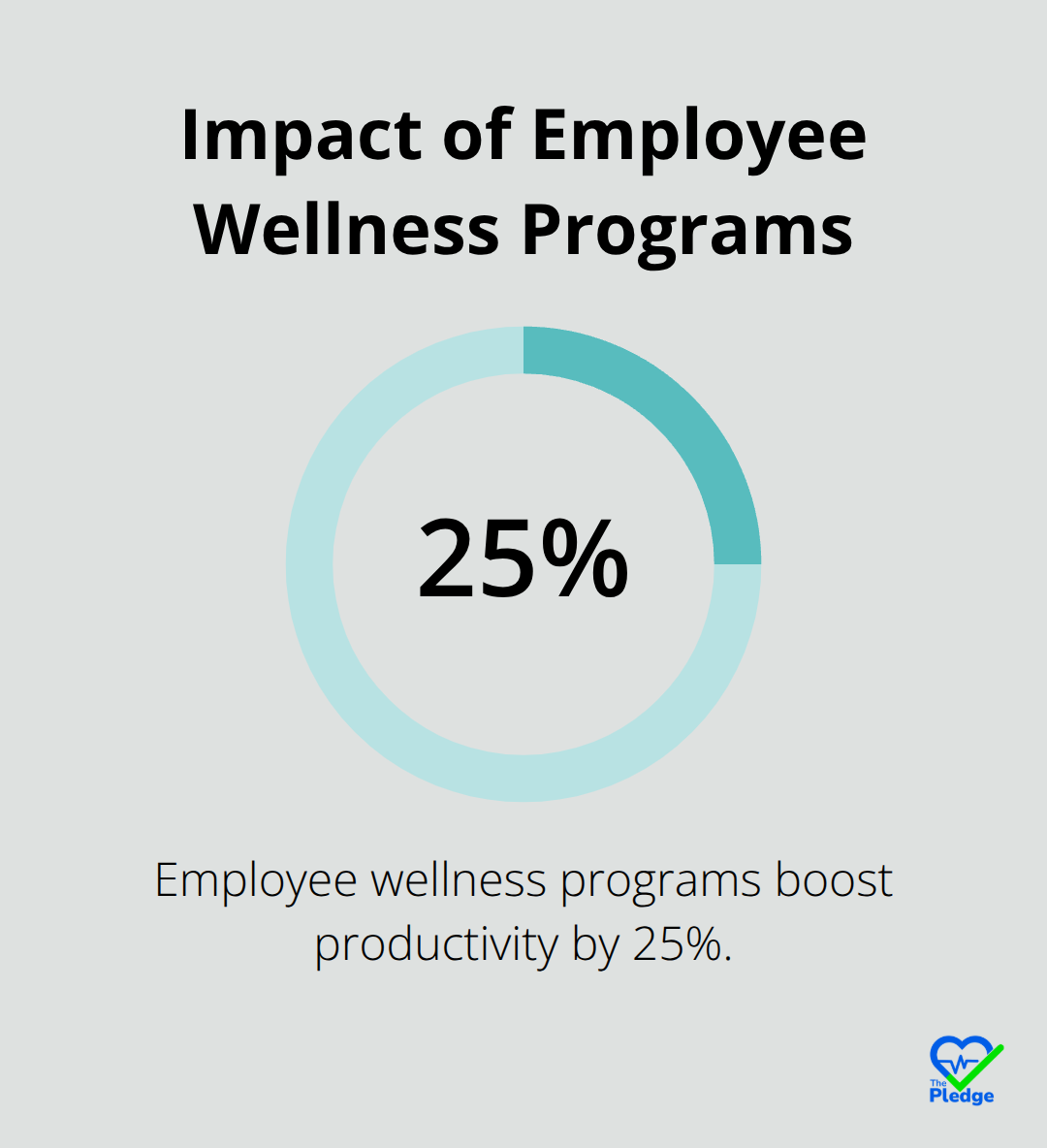
Employee wellness programs boost productivity by 25% and reduce healthcare costs by up to $3.27 for every dollar invested, according to Harvard Business Review research.
At The Pledge, we’ve seen companies transform their workplace culture through strategic workplace wellness challenge ideas that bring teams together while improving health outcomes.
The right wellness challenges create lasting engagement beyond traditional benefits packages.
What Types of Wellness Challenges Work Best
Physical Fitness Challenges Drive Measurable Results
Physical fitness challenges deliver the strongest measurable results for workplace wellness programs. Walking competitions generate high employee participation rates according to wellness program data, while step-count challenges between departments create natural competition that drives sustained engagement. Companies that implement 30-minute daily exercise challenges report 25% improvements in team collaboration metrics. The key lies in making fitness accessible through simple activities like taking stairs instead of elevators or organizing lunch-time Zumba sessions that require no special equipment or gym memberships.
Mental Health Programs Show Immediate Impact
Mindfulness challenges that use apps like Headspace produce measurable stress reduction within two weeks of implementation. Virtual meditation sessions conducted through Zoom platforms cost nothing but generate significant employee satisfaction scores. Sleep improvement challenges that target 7-8 hours of rest nightly address the fact that 14.5% of adults had trouble falling asleep most days or every day, which directly impacts productivity. Digital detox challenges that limit screen time by just 30 minutes daily show improvements in focus and job satisfaction. These programs work because they address root causes of workplace stress rather than symptoms.
Nutrition Challenges Create Lasting Behavior Change
Hydration tracking through Slack reactions transforms a basic health need into team engagement, with water challenges that show 85% completion rates. Healthy recipe contests paired with accountability partnerships generate sustained dietary improvements beyond program duration. Nutrition education workshops that focus on meal prep save employees an average of $150 monthly on food costs while they improve energy levels and boost workplace productivity. Companies that offer healthy catered lunch groups see 40% higher employee loyalty rates compared to traditional benefits packages, which proves that food-focused wellness investments deliver measurable returns on company culture and retention.
These foundational challenge types provide the framework for more creative team-based approaches that maximize participation and build stronger workplace connections. Investing in preventative care tools alongside these challenges creates comprehensive wellness programs that address both immediate engagement and long-term health outcomes.
How Creative Team Challenges Drive Workplace Engagement
Step Competitions Build Department Unity
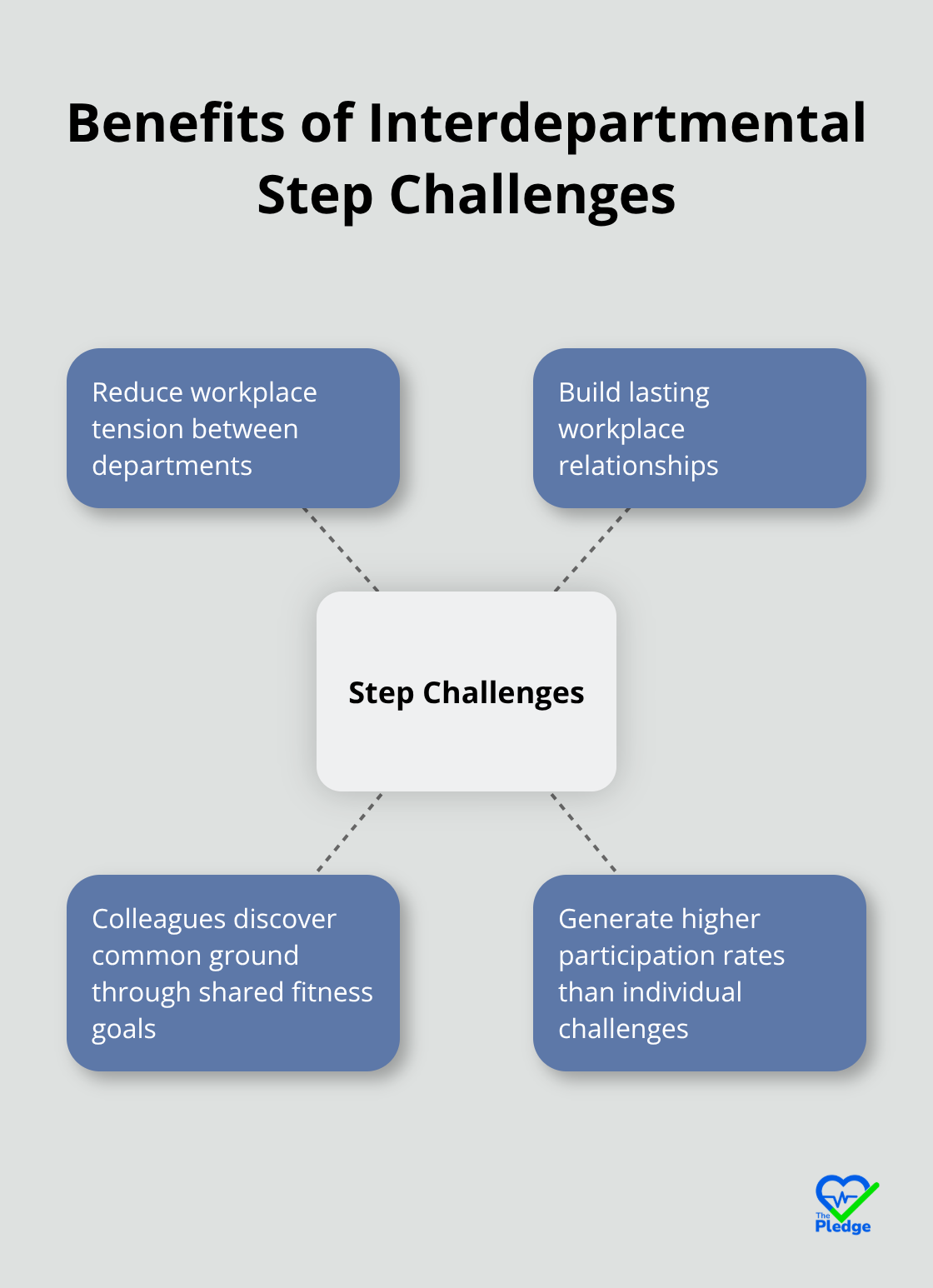
Department-based step competitions transform individual fitness goals into collaborative achievements that build lasting workplace relationships. Teams that compete across departments generate higher participation rates than individual challenges, with departments averaging significant daily steps during peak competition weeks. The most successful programs pair departments with similar headcounts and create weekly leaderboards that display real-time progress through Slack integrations or digital dashboards. Companies report that interdepartmental step challenges reduce workplace tension as colleagues who rarely interact discover common ground through shared fitness goals.
Group Meditation Sessions Boost Team Performance
Group meditation sessions scheduled during lunch breaks produce immediate stress reduction results while they build team cohesion that extends beyond wellness programs. Virtual mindfulness sessions through Zoom accommodate remote workers and generate high attendance rates when companies schedule them consistently at the same time weekly. Teams that participate in guided breathing exercises show improved afternoon performance compared to traditional lunch breaks, making this investment cost-neutral for most organizations.
Recipe Contests Create Lasting Nutrition Changes
Recipe contests paired with monthly potluck events create sustainable nutrition improvements while they strengthen workplace relationships. Companies that implement cooking challenges where employees share healthy meal photos and preparation tips see participants maintain dietary changes months after program completion. Teams that organize healthy cooking demonstrations during lunch hours report stronger interdepartmental collaboration and reduction in afternoon energy crashes, which directly correlates with improved focus metrics.
These creative approaches work because they address the social aspects of behavior change that traditional wellness programs often miss. The next step involves implementing systematic tracking and incentive structures that maintain momentum beyond initial enthusiasm. Consider using workplace health and wellness bulletin boards to showcase team achievements and maintain ongoing motivation throughout your wellness initiatives.
How Do You Build Wellness Programs That Last
Track Meaningful Metrics That Drive Behavior Change
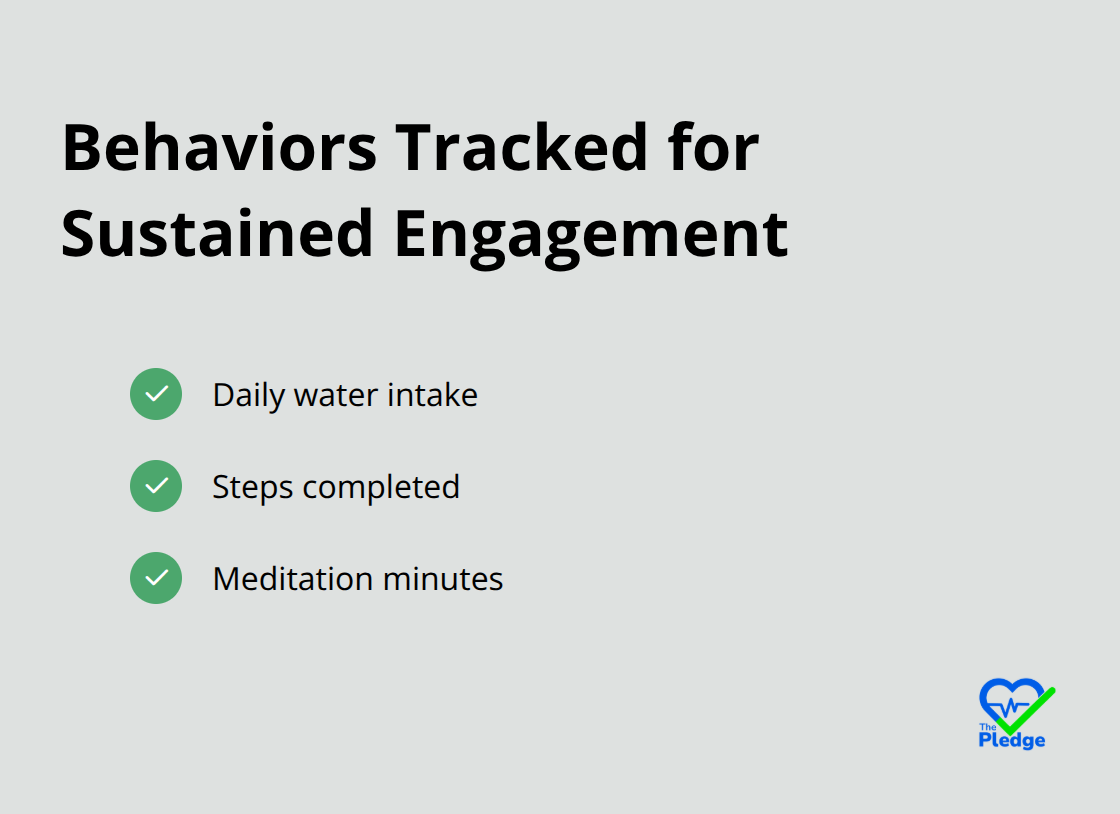
Successful wellness programs measure participation rates weekly rather than monthly to maintain momentum and identify drops in engagement before they become permanent. Companies that achieve 77% sustained engagement track specific behaviors like daily water intake, steps completed, or meditation minutes rather than vague health outcomes. The most effective systems use simple spreadsheets that employees update themselves, which creates ownership and accountability that automated systems cannot match. Teams that set weekly micro-goals of 8,000 steps daily instead of monthly targets of 240,000 steps show 60% higher completion rates because frequent check-ins prevent the procrastination that kills long-term wellness initiatives.
Design Incentive Systems That Target Internal Motivation
Gift card rewards under $25 generate identical participation rates to $100 incentives, which makes smaller frequent rewards more cost-effective than expensive quarterly prizes. Recognition programs that celebrate weekly achievements through company newsletters or Slack channels produce longer-lasting behavior change than monetary incentives alone. The most successful companies pair small tangible rewards with public recognition (such as employee wellness achievements on digital displays or dedicated newsletter sections for wellness wins). Insurance premium discounts motivate initial participation, but peer recognition systems maintain engagement after financial incentives expire.
Build Technology Systems That Support Long-Term Success
Digital platforms that integrate with existing workplace tools generate higher sustained participation than standalone wellness apps. Companies that use Slack integrations for hydration challenges or step competitions see 30% increase in team coordination because employees access programs through familiar interfaces. Simple tracking methods outperform complex wellness platforms (spreadsheets updated by employees create more accountability than automated fitness trackers). Teams that transition employees from external rewards to internal satisfaction see wellness programs continue producing results years after implementation, while programs dependent on expensive incentives fail when budgets tighten.
Final Thoughts
Workplace wellness challenge ideas deliver measurable returns that extend far beyond healthcare cost savings. Companies that implement comprehensive wellness programs report 25% productivity increases while they build stronger team relationships through shared health goals. The most successful programs combine physical fitness challenges with mental health initiatives and nutrition education to address multiple aspects of employee wellbeing.
Long-term success requires consistent measurement of meaningful metrics rather than complex systems. Teams that maintain weekly check-ins and celebrate small wins through peer recognition sustain engagement rates above 77% compared to programs that rely solely on expensive incentives. Simple technology connections with existing workplace tools outperform standalone wellness apps because employees access programs through familiar interfaces.
These wellness initiatives transform company culture by creating shared experiences that break down departmental barriers and build workplace relationships. Employees who participate in team-based challenges report higher job satisfaction and stronger loyalty to their organizations. Modern wellness programs require integrated platforms that centralize health data and provide personalized experiences for maximum engagement (which The Pledge offers through AI-powered technology that simplifies care navigation while promoting preventative care models).
![[Guide] Incentives That Drive Preventive Health Participation](https://thepledge.app/wp-content/uploads/emplibot/Guide_-Incentives-That-Drive-Preventive-Health-Participation_1783650286-300x168.jpeg)