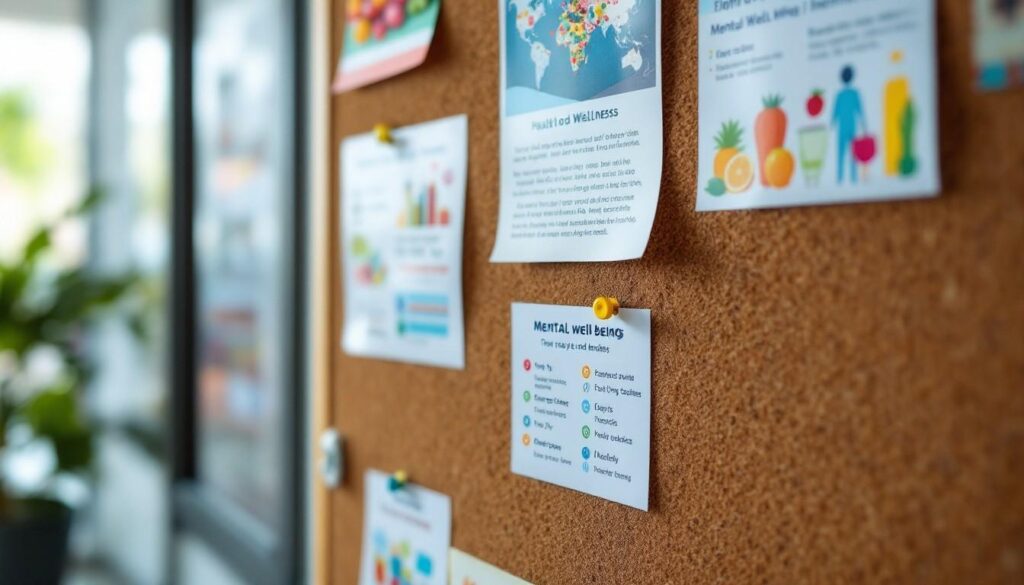
Workplace health and wellness bulletin board ideas can transform your office environment and boost employee engagement. These visual displays serve as constant reminders for staff to prioritize their wellbeing throughout the workday.
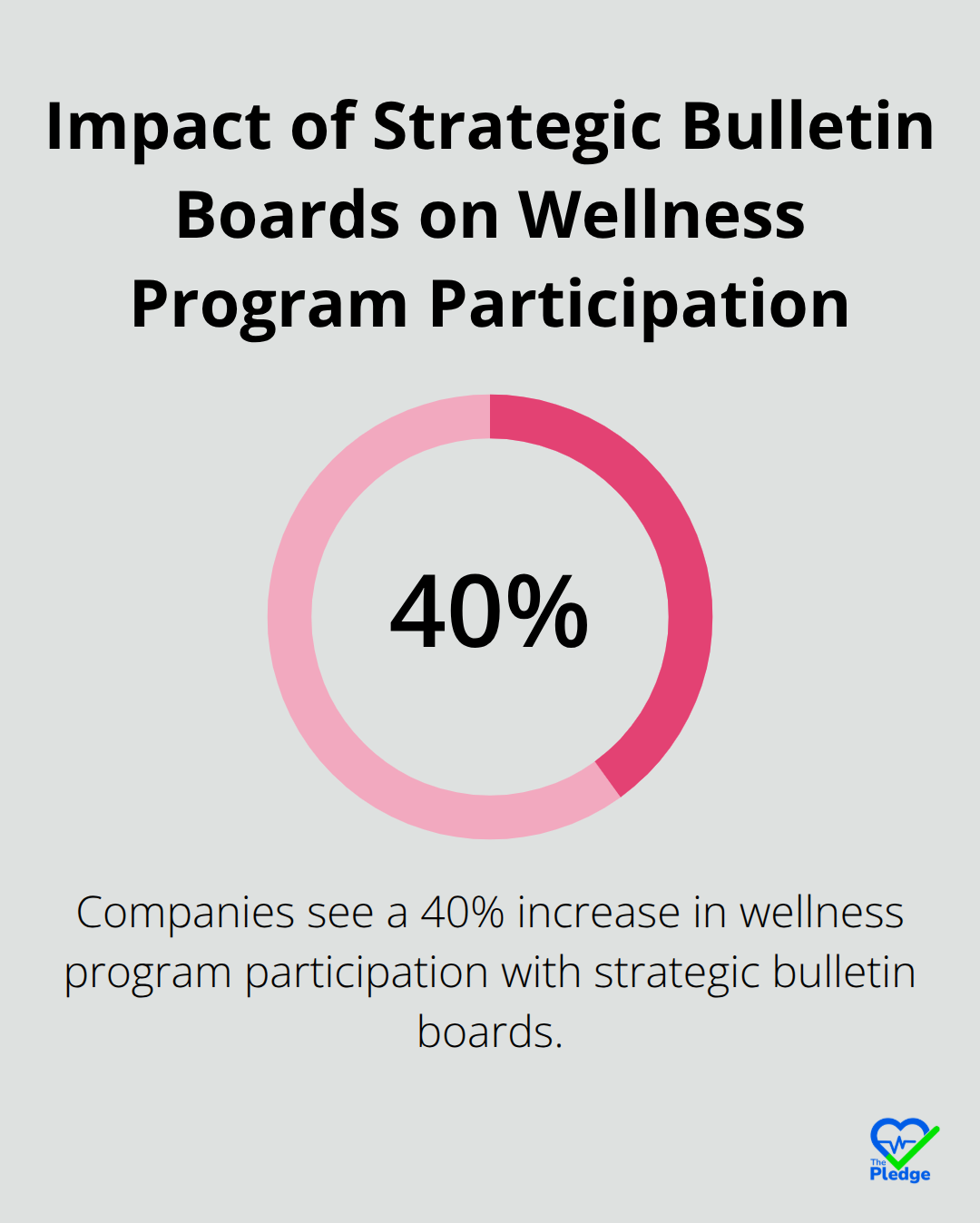
At The Pledge, we’ve seen companies increase participation in wellness programs by 40% simply by implementing strategic bulletin board content. The right approach combines creativity with practical health information that employees actually want to read.
Creative Health and Wellness Bulletin Board Themes
Seasonal Wellness Challenges That Generate Results
March Mental Health Awareness displays outperform generic wellness content according to workplace wellness studies covering over 50 million U.S. workers. Companies position stress management techniques front and center during high-pressure periods like tax season and year-end deadlines. April showcases practical nutrition swaps with spring vegetables, while September focuses on back-to-school sleep hygiene for parents who work. October emphasizes flu prevention with specific vaccination clinic locations and times rather than vague health reminders.
Companies that use seasonal rotation see higher content consumption compared to static displays, with digital signage increasing profits by 124% and elevating sales by approximately 7%. November gratitude walls where employees post specific appreciations generate measurable morale improvements. December features winter exercise alternatives that employees can actually do indoors during lunch breaks. January debunks detox myths to prevent harmful fad diet participation while February heart health month highlights local cardiac screening opportunities with exact costs and insurance coverage details.
Mental Health Resources With Crisis Support
Stress management bulletin boards must include crisis hotline numbers, employee assistance program contact details, and local therapist directories with insurance acceptance information. Workplace anxiety affects a significant portion of employees, which makes practical coping strategies essential content. Display specific breathing techniques with QR codes that link to guided audio sessions rather than theoretical mindfulness concepts.
Depression screening tools, burnout self-assessment questionnaires, and work-life balance checklists provide actionable mental health support. Suicide prevention resources require prominent placement with 988 crisis lifeline information clearly visible. Monthly featured mental health apps like Headspace or Calm with corporate discount codes drive actual usage. Local support group meeting times and locations for anxiety, grief, and addiction recovery connect employees to community resources they can access immediately after work.
Recipe Sharing That Changes Daily Habits
Healthy recipe exchanges work when they feature 15-minute meal prep solutions and ingredients under $20 per serving. Employee-submitted recipes with actual preparation photos generate 3x more engagement than stock food imagery. Monthly themes like Mediterranean Monday feature specific olive oil brands available at nearby grocery stores, or Fiber Friday highlights exact gram counts in featured foods.
Nutrition education panels display sodium content in popular lunch spots within walking distance of the office to create immediate behavior change. Cost comparisons between homemade versus restaurant meals with specific dollar amounts motivate healthier choices. Seasonal produce guides with local farmers market locations and hours help employees access fresh ingredients affordably. Recipe modification tips for dietary restrictions include gluten-free flour substitutions and dairy alternatives with brand recommendations to maintain inclusivity.
These themed approaches establish the foundation for deeper employee participation, but static displays alone won’t sustain long-term engagement. Interactive elements that invite employee participation transform passive viewers into active wellness participants.
Interactive Employee Engagement Strategies
Health Trivia and Quiz Competitions That Work
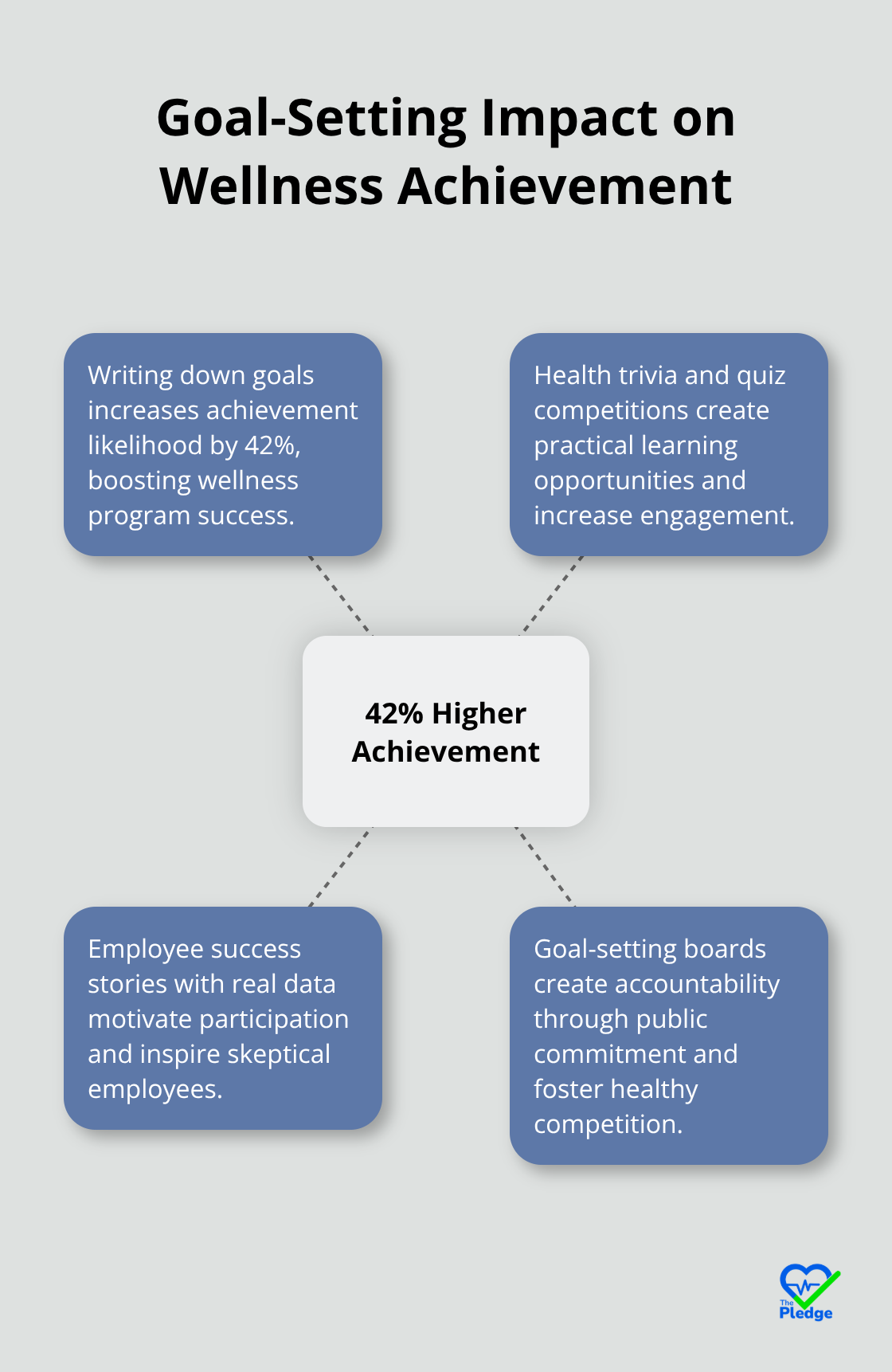
Health trivia competitions produce measurable engagement when companies offer specific rewards like extra PTO hours or preferred parking spots for quarterly winners. Weekly wellness quizzes with questions about company health benefits, local fitness facilities, and nutrition facts from cafeteria vendors create practical learning opportunities. Interactive health education approaches provide valuable learning opportunities for employees in workplace wellness programs.
Questions about ergonomic workstation setup, proper lifting techniques for warehouse employees, and stress management during peak business cycles provide immediately applicable information rather than generic health facts. Trivia contests that focus on local healthcare resources (including urgent care locations and specialist referrals) help employees navigate their benefits more effectively.
Employee Success Stories With Real Data
Employee success testimonials work when they include specific metrics like pounds lost, medical cost savings, or workout consistency streaks rather than vague wellness improvements. Anonymous case studies that highlight actual achievements motivate participation without privacy concerns. Sarah from accounting lost 25 pounds through the company walking program, while the marketing team reduced their collective sick days by 30% after implementing desk stretches.
Progress tracking displays with anonymous employee data show real participation rates in company gym memberships, preventive screenings completed, and healthy cafeteria purchases. These concrete examples inspire skeptical employees who need proof that wellness programs deliver tangible results before they commit to participation.
Goal Setting Boards That Create Accountability
Goal-setting boards where departments compete on step counts, hydration tracking, or smoke-free days create accountability through public commitment. Digital progress charts updated weekly with actual employee achievements like completed 5K races, blood pressure improvements, or successful diabetes management demonstrate tangible wellness program results.
Monthly challenges with specific targets (10,000 steps daily, eight glasses of water, or 30 minutes of exercise) work better than open-ended wellness goals. Research shows that writing down goals can increase achievement likelihood by 42%. Department leaderboards with real names and achievements foster healthy competition while maintaining focus on personal improvement rather than comparison.
These interactive elements transform passive bulletin board viewers into active wellness participants, but successful implementation requires cost-effective solutions that work within tight office budgets and limited resources.
Cost-Effective DIY Bulletin Board Solutions
Transform Existing Materials Into Engaging Health Displays
Cork boards from unused conference rooms work perfectly for wellness displays when you cover them with bright fabric from local dollar stores. Old picture frames become nutrition fact displays, while unused whiteboards transform into weekly challenge trackers with colorful dry-erase markers. Empty bulletin boards near copy machines get maximum visibility without additional costs.
Laminated paper protectors extend the life of printed materials by six months, while magnetic strips attached to filing cabinets create instant display space for health tips. Office supply closets contain poster board, pushpins, and markers that companies can repurpose for wellness initiatives without extra expenses. Standard three-ring binders hold rotating health information sheets that employees can flip through during breaks.
Digital Solutions That Update Content Automatically
QR codes printed on standard office paper link to health content that updates weekly without reprinting costs. QR code generators like Bitly, Popl, and Blinq help create wellness links to YouTube exercise videos, healthy recipes, and local gym schedules. Digital photo frames (under $50) display rotating wellness tips, employee success photos, and monthly health challenges without ongoing printing expenses.
Google Slides presentations set to auto-advance create dynamic displays on existing computer monitors or tablets mounted in break rooms. Employees scan QR codes with personal phones to access meditation apps, nutrition calculators, and step trackers that integrate with existing wellness programs. Tablet displays mounted on walls show real-time health challenges and leaderboards that update automatically.
Employee Content That Builds Community Investment
Staff-generated content generates authentic engagement that professional materials cannot match. Employees photograph their healthy lunches, workout achievements, and wellness program participation for monthly display rotations. Anonymous wellness surveys provide content for FAQ boards that address real employee health concerns and benefit questions.
Department challenges where teams submit healthy recipes, exercise photos, or stress management tips create ongoing content without external costs. Local employees who complete marathons, quit smoking, or achieve weight loss goals provide testimonials with specific metrics that inspire participation better than generic success stories. Peer-to-peer wellness advice boards where staff share practical tips create community investment in workplace health initiatives.
Final Thoughts
Companies must track specific metrics like employee participation rates, health screening completions, and wellness program enrollment numbers to measure success. Organizations that monitor engagement through QR code scans, recipe submissions, and challenge participation see average increases of 35% in overall wellness program adoption within six months. Fresh content rotation every two weeks prevents bulletin boards from becoming background noise that employees ignore.
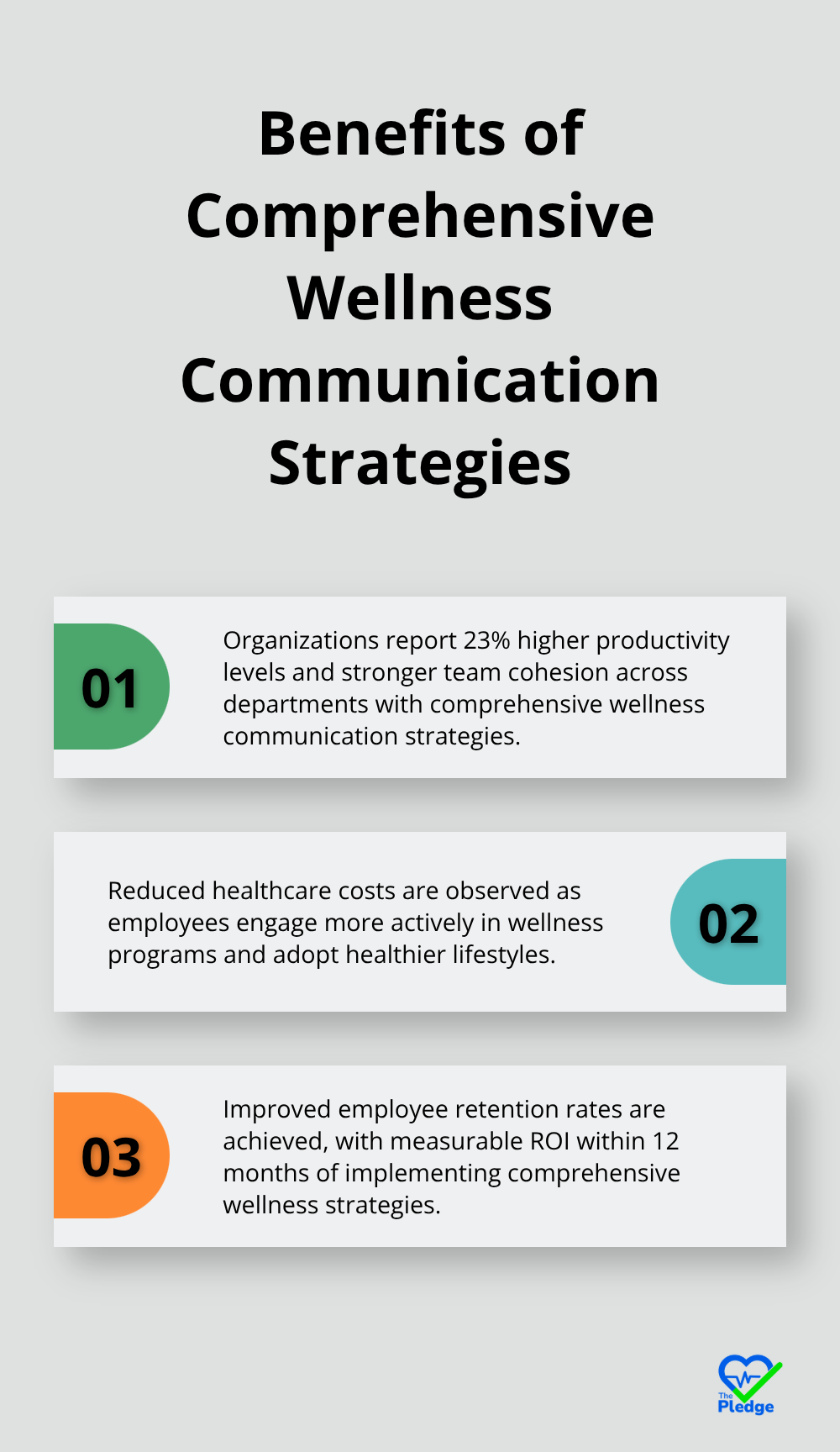
Successful organizations assign wellness champions from different departments to contribute monthly content. Seasonal themes aligned with health observances maintain relevance throughout the year, while employee-generated success stories and peer testimonials provide authentic content that resonates better than corporate messages. Organizations with comprehensive wellness communication strategies report 23% higher productivity levels and stronger team cohesion across departments.
Long-term workplace culture benefits extend beyond individual health improvements to include reduced healthcare costs, decreased absenteeism, and improved employee retention rates (with measurable ROI within 12 months). Digital health platforms like The Pledge complement physical bulletin boards by centralizing health information and providing personalized wellness tracking that employees can access anytime. This integrated approach transforms workplace health and wellness bulletin board ideas from passive information sharing to active health management that drives measurable results for both employees and employers.