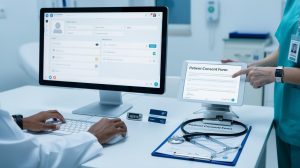
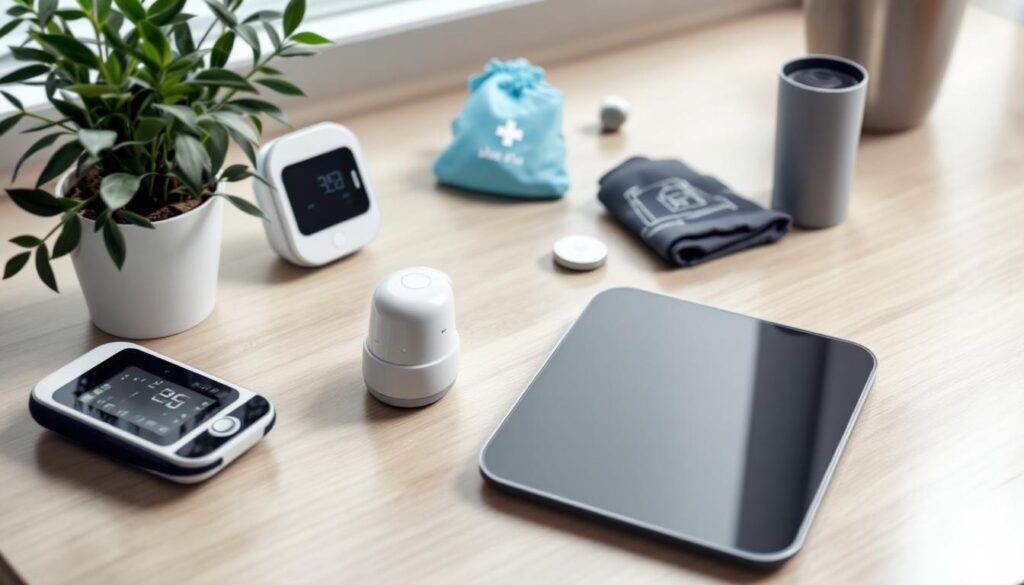
At The Pledge, we believe in the power of prevention. Preventative care tools are revolutionizing how we approach health and wellness in the workplace.
These innovative solutions not only reduce healthcare costs but also lead to better health outcomes and increased productivity. In this post, we’ll explore the must-have preventative care tools that can transform your organization’s approach to employee health.
Why Preventative Care Matters
The Financial Upside
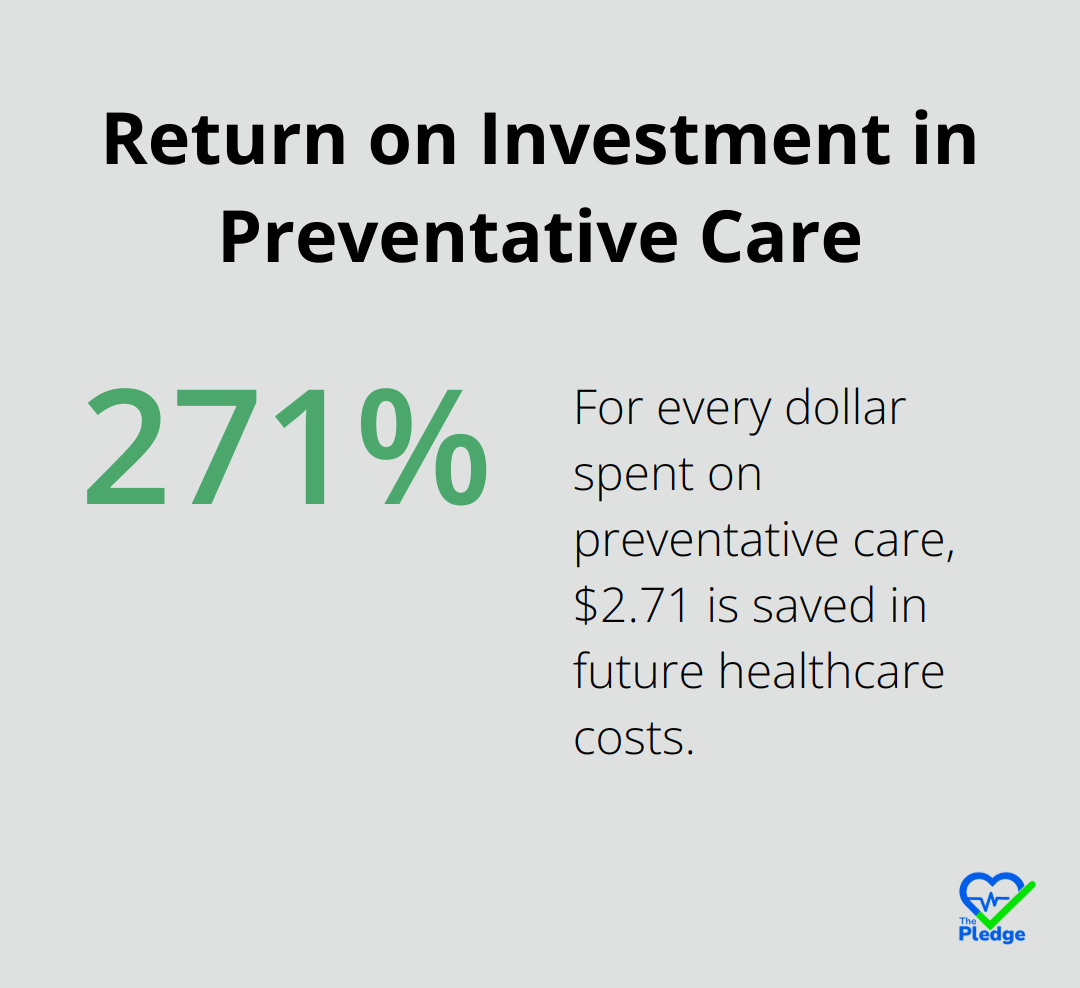
Preventative care transforms healthcare. It’s not just about avoiding illness; it optimizes health and well-being. Let’s talk numbers. A study found that for every dollar spent on preventative care, $2.71 is saved in future healthcare costs over the past decade from 2002 to 2008. This isn’t pocket change; it’s a significant return on investment for both employers and employees.
For employers, this means reduced insurance premiums and fewer sick days. A report from the Centers for Disease Control and Prevention (CDC) shows that workplace health programs can reduce health care costs by 25% on average. That’s money that can be reinvested in your business or passed on to employees.
For employees, preventative care means fewer out-of-pocket expenses and less time off work due to illness. It’s a win-win situation that puts more money in everyone’s pockets.
Better Health, Better Life
Preventative care saves money and lives. Regular check-ups and screenings catch health issues before they become serious problems. The American Cancer Society reports that since the early 1960s, 5-year relative survival increased from 39% to 70% among White people and from 27% to 65% among Black people because of early detection and improved treatments.
But it’s not just about avoiding the worst-case scenario. Preventative care improves overall quality of life. Regular exercise, a balanced diet, and stress management techniques (all part of a good preventative care plan) lead to better sleep, more energy, and improved mental health.
Boosting Workplace Productivity
Healthy employees are productive employees. A study in the Journal of Occupational and Environmental Medicine found that employees who participated in health promotion programs were 25% more likely to have higher job performance scores.
Moreover, preventative care reduces absenteeism. The Integrated Benefits Institute reports that poor health costs employers $530 billion annually, with 1.4 billion days of lost productivity. Companies can significantly reduce these losses by investing in preventative care.
The Future of Healthcare
Preventative care isn’t just a nice-to-have; it’s a must-have for any organization looking to thrive in today’s competitive landscape. It’s an investment that pays dividends in health, wealth, and productivity. As we move forward, the integration of technology in preventative care will play a pivotal role in shaping the future of healthcare. This leads us to our next topic: the essential preventative care tools that are revolutionizing the healthcare landscape.
Game-Changing Preventative Care Tools
At The Pledge, we constantly seek cutting-edge preventative care tools that transform organizational approaches to employee health. Let’s explore some of the most impactful technologies reshaping the healthcare landscape.
AI-Powered Health Risk Assessments
Artificial Intelligence revolutionizes health issue prediction and prevention. AI-driven health risk assessments can predict 90% of episodes requiring subsequent administration of dialysis, with a lead time of 48 hours.
These assessments consider medical history, lifestyle factors, genetic predispositions, and environmental influences. By leveraging machine learning, these tools provide personalized recommendations that evolve as an individual’s health data changes over time.
Personalized Wellness Programs
One-size-fits-all wellness initiatives are obsolete. Today’s preventative care tools offer hyper-personalized wellness programs tailored to each employee’s unique health profile and goals. These programs use data from various sources (including wearables, health assessments, and genetic testing) to create customized health plans.
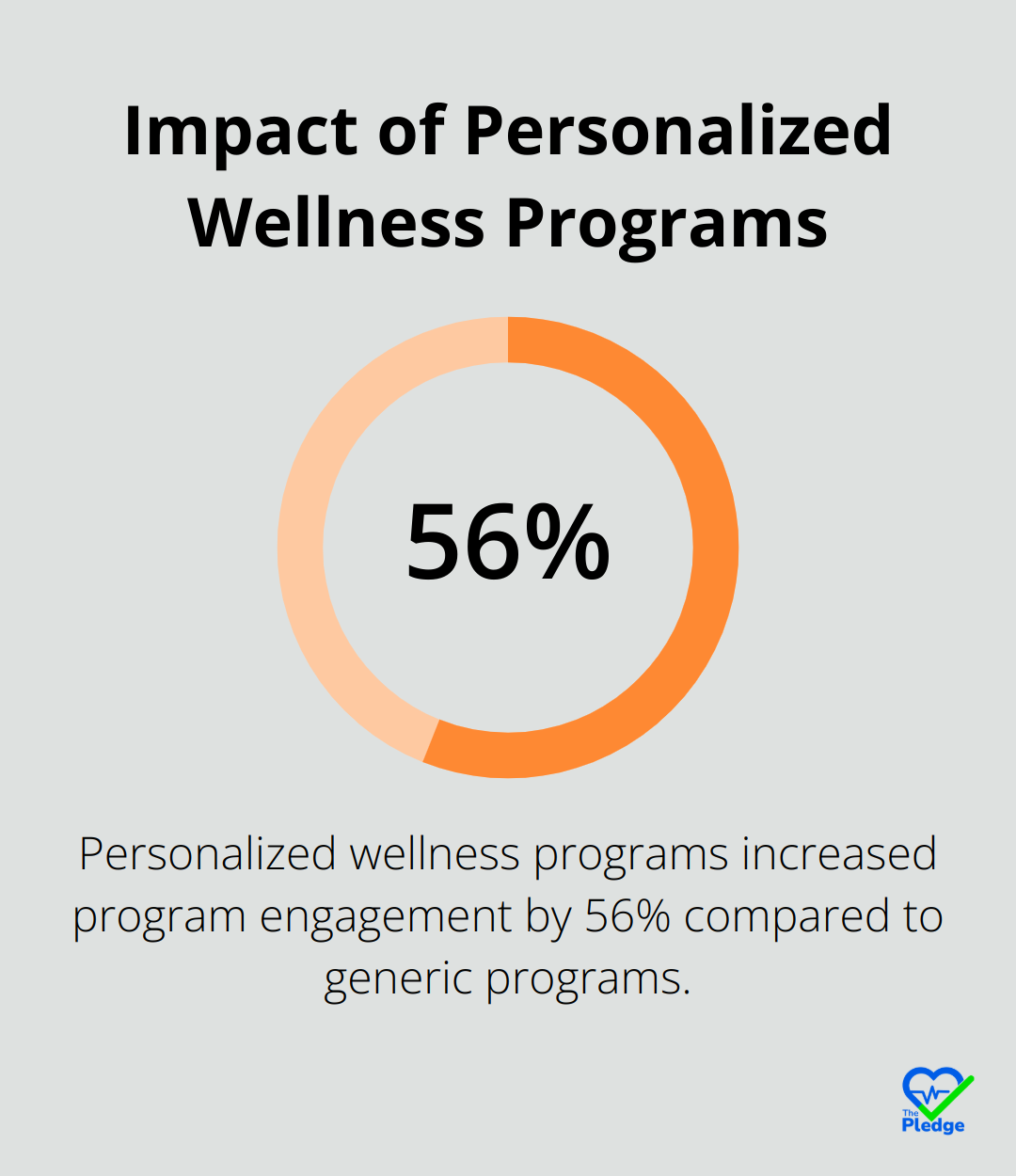
A study in the Journal of Occupational Health Psychology found that personalized wellness programs increased program engagement by 56% compared to generic programs. This increased engagement translates to better health outcomes and higher ROI for employers.
Telemedicine Platforms
Telemedicine has transformed from a convenience to a necessity in preventative care. These platforms provide quick access to healthcare professionals, reducing barriers to early intervention. The American Medical Association reports telemedicine usage increased from 25% in 2018 to 80% in 2020, with this trend expected to continue.
Advanced telemedicine platforms now offer features like AI-powered symptom checkers, virtual reality-assisted therapy, and remote monitoring capabilities. These tools make healthcare more accessible and allow for continuous monitoring and early detection of health issues.
Wearable Devices for Continuous Health Monitoring
Wearable technology has progressed far beyond simple step counters. Today’s wearables monitor heart rate variability, sleep patterns, stress levels, and even detect atrial fibrillation. A study published in the New England Journal of Medicine evaluated the ability of an irregular pulse notification algorithm to identify atrial fibrillation using wearable technology.
These devices provide a constant stream of health data, allowing for real-time interventions and personalized health recommendations. They’ve become essential tools in preventative healthcare strategies, not just for fitness enthusiasts.
The implementation of these preventative care tools can significantly impact your organization’s health outcomes and bottom line. As we move forward, it’s crucial to understand how to effectively integrate these technologies into your workplace health strategy. Let’s explore the practical steps to implement preventative care in your organization.
How to Make Preventative Care Work for Your Organization
Build a Health-First Culture
Start by making health a core value of your organization. This means more than just offering gym memberships or healthy snacks. It’s about creating an environment where health takes priority at every level.
Encourage walking meetings or standing desks. Implement flexible work hours so employees can attend medical appointments without stress. Make sure leadership visibly participates in health initiatives. When employees see executives taking time for their health check-ups or participating in wellness challenges, it sends a powerful message.
A study by the American Psychological Association confirmed that psychological well-being is a very high priority for workers themselves.
Create Compelling Incentives
While the health benefits of preventative care are clear, sometimes employees need an extra push. Incentives can significantly boost participation rates in preventative care programs.
Financial incentives are effective, but they’re not the only option. Consider offering extra paid time off for employees who complete their annual health screenings. Or create a points-based system where preventative actions earn rewards (like prime parking spots or lunch with the CEO).
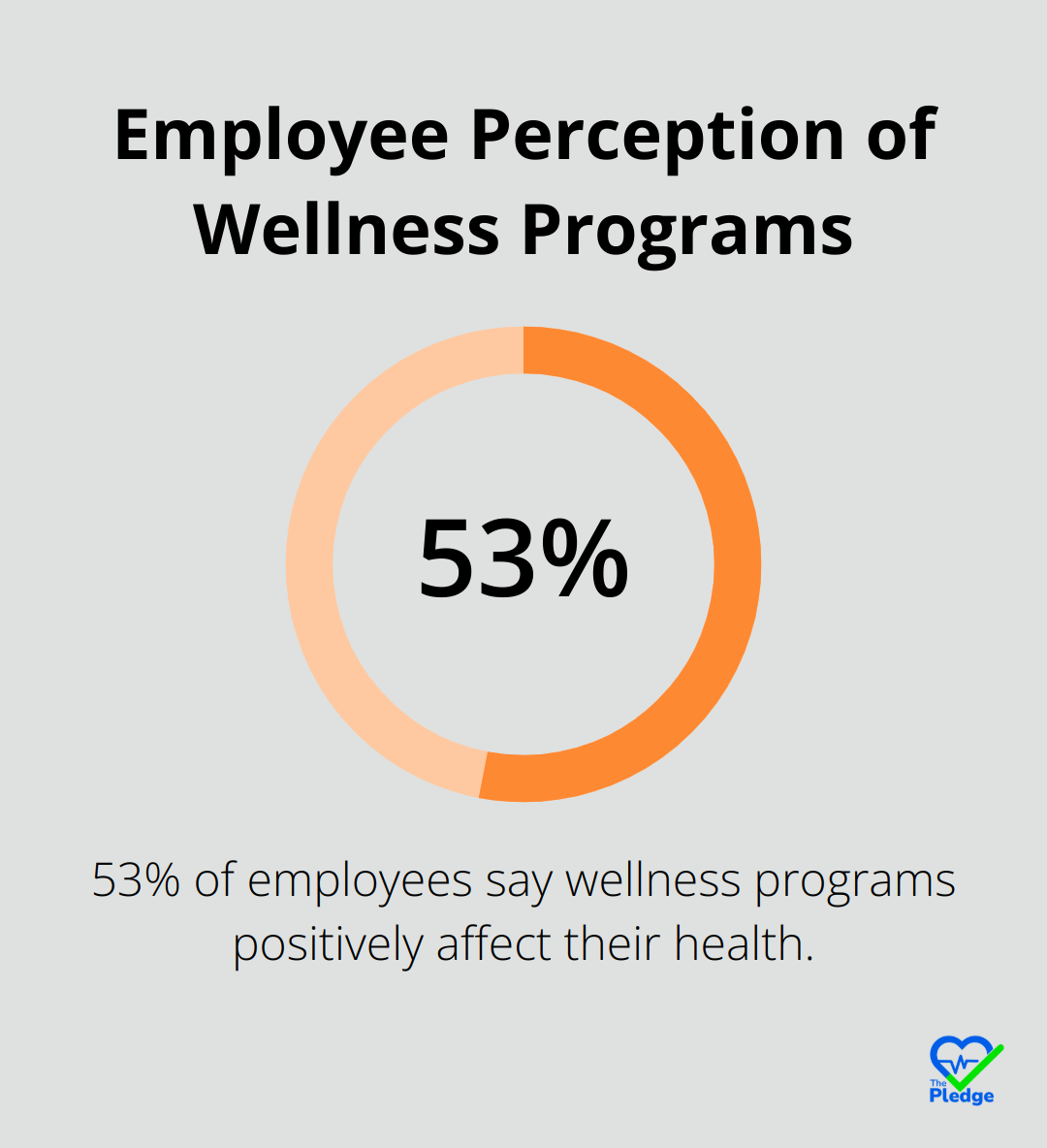
UnitedHealthcare’s 2018 Wellness Check Up Survey revealed that 53% of employees with access to wellness programs say the initiatives have a positive effect on their health. The key is to make the incentives meaningful to your specific workforce.
Harness the Power of Data
Data is your secret weapon in creating targeted, effective preventative care interventions. Use aggregate health data from your workforce to identify trends and areas of concern. This allows you to tailor your preventative care offerings to your employees’ specific needs.
For instance, if data shows a high prevalence of back pain among your employees, you might introduce ergonomic assessments and targeted exercise programs. If stress is a common issue, consider implementing mindfulness training or expanding mental health resources.
Privacy is paramount. Ensure all data is anonymized and comply with all relevant data protection regulations.
Seamless Integration is Key
For preventative care tools to be effective, they need to seamlessly integrate into your existing health benefits and be easy for employees to use. The last thing you want is for these tools to feel like an additional burden.
Consider a single sign-on system that allows employees to access all their health resources with one login. Integrate preventative care reminders into your company’s communication channels, whether that’s Slack, email, or a custom app.
The easier you make it for employees to engage with preventative care, the more likely they are to do so. A study by Mercer found that companies with the most effective health management programs have an average of 11 health-promoting programs that are well-integrated and easily accessible.
Implementing preventative care in the workplace is an ongoing process. It requires commitment, creativity, and a willingness to adapt based on employee feedback and health outcomes. The payoff – in terms of employee health, productivity, and your bottom line – makes it worth the effort.
Final Thoughts
Preventative care tools transform healthcare from reactive to proactive. These innovative solutions improve individual health outcomes and empower people to take control of their wellness journey. Organizations that invest in preventative care reduce healthcare costs, increase productivity, and create a more engaged workforce.
Technology plays a pivotal role in shaping the future of health management. AI-driven assessments, wearable devices, and personalized wellness programs provide unprecedented insights into individual health patterns. These advancements enable more targeted and effective interventions, optimizing health potential for both individuals and organizations.
The Pledge stands at the forefront of this healthcare revolution. Our comprehensive platform simplifies health management for employees and employers alike. We centralize vital medical information, benefits, and real-time health metrics (all in one place). The Pledge empowers individuals and helps organizations foster a healthier, more productive workforce.