
Companies with structured wellness programs see 28% lower sick leave rates and $3.27 return for every dollar invested, according to Harvard Business Review research.
At The Pledge, we know that creating an effective workplace wellness policy template requires more than good intentions. You need clear guidelines, measurable goals, and proven implementation strategies that actually work for your team and budget.
What Should Your Wellness Policy Actually Include
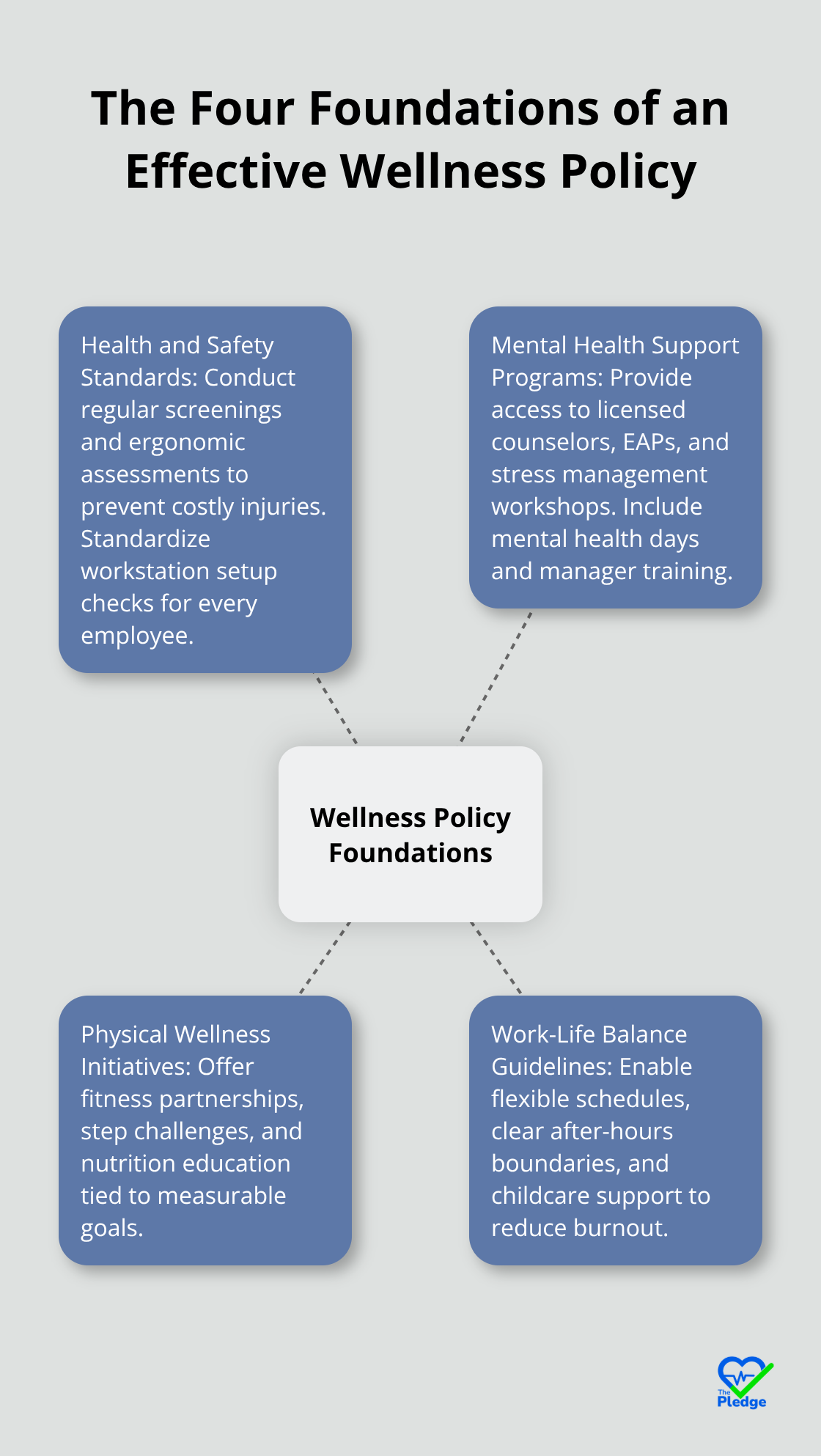
Your workplace wellness policy needs four non-negotiable foundations that directly impact employee health and your bottom line. These components work together to create a comprehensive framework that addresses both immediate health concerns and long-term wellness goals.
Health and Safety Standards
Start with comprehensive health screenings and ergonomic assessments that identify risks before they become expensive problems. The Department of Labor requires voluntary participation in medical evaluations, but smart companies make these screenings so valuable that employees actually want them. Include biometric tests, vision and hearing checks, and workplace safety audits that happen quarterly rather than annually.
Ergonomic workstation evaluations prevent the musculoskeletal disorders that cost companies significant amounts annually in workers’ compensation claims. Your policy should mandate proper desk setup, monitor positioning, and keyboard placement assessments for every employee.
Mental Health Support Programs
Mental health support cannot be an afterthought when employers increasingly prioritize mental health initiatives. Your policy must specify access to licensed counselors, stress management workshops, and confidential employee assistance programs.
Include provisions for mental health days, peer support networks, and manager training on recognizing stress symptoms. Companies that implement comprehensive mental health programs see significant improvements in employee satisfaction and workplace recommendations.
Physical Wellness Initiatives
Physical wellness initiatives work best when they target specific outcomes like reduced sick leave that structured programs achieve. Include on-site fitness facilities or gym partnerships, step challenges, and nutrition education that goes beyond generic advice.
Your policy should outline specific fitness goals, healthy eating programs, and smoking cessation support. Smoking-related health issues cost businesses substantial amounts annually, making cessation programs a worthwhile investment.
Work-Life Balance Guidelines
Work-life balance guidelines should mandate flexible scheduling options, since remote workers consistently report better work-life balance. Set clear boundaries for after-hours communication, provide childcare support, and establish mandatory vacation policies that employees actually use.
Include provisions for flexible work arrangements, compressed workweeks, and job-sharing opportunities. These policies directly address the burnout that makes employees more likely to take sick days and seek new jobs.
With these four foundations in place, your next challenge becomes turning policy into practice through strategic implementation.
How Do You Turn Wellness Policies Into Action
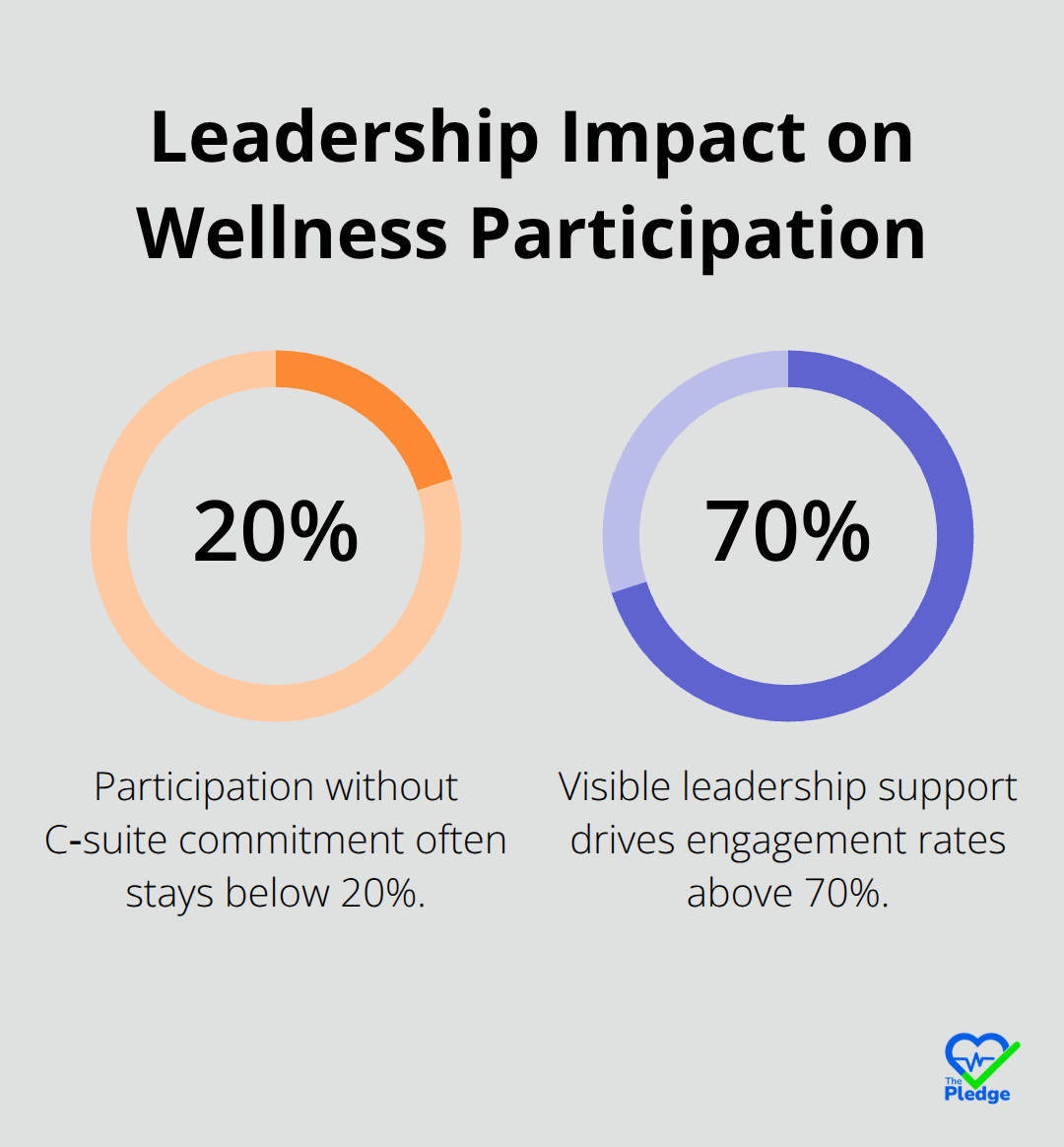
Executive leadership must champion wellness initiatives from day one, or your policy becomes another forgotten document in the employee handbook. Companies that fail to secure C-suite commitment see participation rates below 20%, while organizations with visible leadership support achieve engagement rates exceeding 70%. Your CEO and department heads need to participate visibly in wellness activities, share their health journeys publicly, and allocate dedicated time during team meetings to discuss wellness progress.
Leadership Buy-In and Champion Identification
Identify wellness champions across different departments who can influence peer participation and provide feedback on program effectiveness. These champions should receive special training and recognition, becoming your frontline advocates who drive grassroots adoption. Select champions who already demonstrate healthy behaviors and possess natural influence among their peers. Train them on program benefits, participation requirements, and how to address common objections that skeptical employees raise.
Employee Engagement and Communication Plans
Your communication plan must address the skepticism that kills wellness program participation before it starts. Skip the generic email announcements and corporate jargon that employees ignore. Instead, use multiple touchpoints including team meetings, digital displays, mobile app notifications, and peer testimonials that showcase real results. Create monthly wellness newsletters featuring employee success stories, health tips specific to your industry, and upcoming program deadlines. Most importantly, communicate the financial benefits clearly: employees need to understand exactly how participation affects their insurance premiums, deductibles, and available health savings account contributions.
Budget Allocation and Resource Management
Smart budget allocation focuses on high-impact, low-cost initiatives that deliver measurable results within six months. Allocate 40% of your wellness budget to preventive screenings and health assessments, 30% to mental health support and stress management programs, 20% to physical activity initiatives, and 10% to program administration and tracking tools. Research shows that employee wellness programs can deliver positive returns on investment through healthcare cost savings and productivity improvements, but only when resources target specific health outcomes rather than generic feel-good activities. Track spending against participation rates monthly and reallocate funds from underperforming initiatives to programs that demonstrate clear employee engagement and health improvements.
With your implementation strategy in place, the next step involves measuring whether your wellness investments actually deliver the promised returns and health improvements.
How Do You Measure Wellness Program ROI
Wellness program success demands tracking specific metrics that directly correlate to financial returns, not feel-good participation numbers. Companies that track the wrong metrics waste resources on programs that appear successful but deliver no measurable business value. Focus on three core measurement categories: healthcare cost reduction, productivity improvements, and employee retention rates. The Illinois Workplace Wellness Study found that programs without proper measurement frameworks show no significant effects on medical expenditures or absenteeism after 30 months, despite high participation rates.
Healthcare Cost Reduction Tracking
Track monthly healthcare claims data, prescription drug usage, and emergency room visits before and after program implementation. Effective programs should monitor healthcare cost trends, as annual premiums for employer-sponsored family health coverage reached $26,993 in 2025, representing a 6% increase from 2024. Monitor biometric improvements that include blood pressure, cholesterol levels, and BMI changes among participants. Companies that achieve measurable biometric improvements typically see $1,384 lower annual medical spending per participant.
Track workers’ compensation claims, sick leave usage, and short-term disability applications quarterly. Programs that reduce sick leave by 28% demonstrate clear ROI through direct cost savings and maintained productivity levels.
Productivity and Retention Metrics
Measure employee engagement scores, job satisfaction ratings, and voluntary turnover rates monthly rather than annually. The World Health Organization research indicates that employers realize a 4x return on every wellness dollar spent, but only when programs target specific productivity outcomes. Track absenteeism rates, presenteeism indicators, and performance review scores across participants versus non-participants.
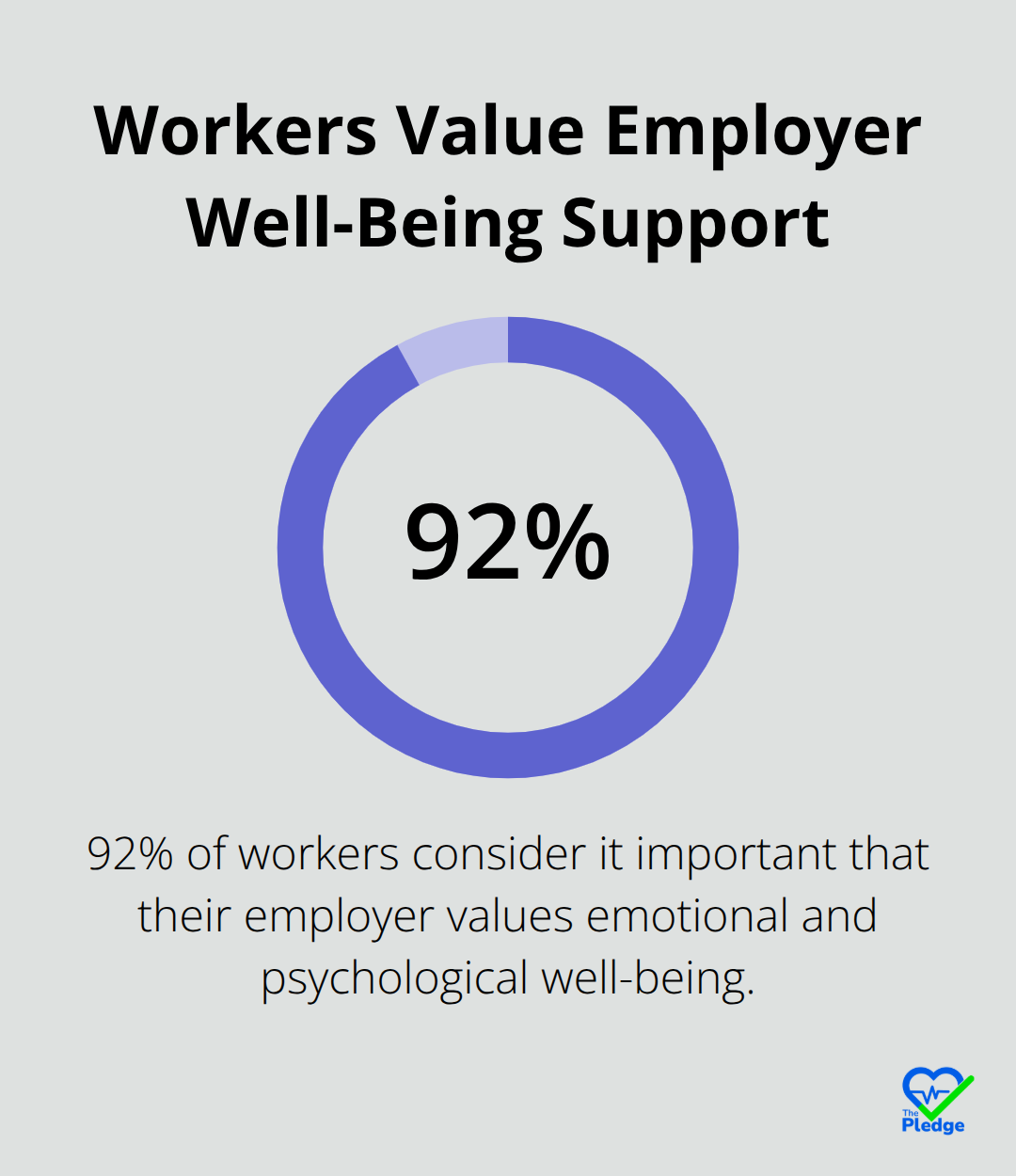
Monitor recruitment costs, training expenses for replacement employees, and time-to-fill vacant positions. Companies with comprehensive wellness programs see 92% of workers consider it very or somewhat important to work for an organization that values their emotional and psychological well-being. Calculate the total cost of employee turnover that includes recruitment, training, and lost productivity to establish baseline measurements for program effectiveness.
Financial Impact Assessment
Establish baseline healthcare spending per employee before program launch and compare quarterly results against industry benchmarks. Document specific cost savings from reduced insurance claims, lower prescription drug expenses, and decreased emergency room visits. Track the correlation between wellness program participation rates and overall healthcare cost trends across different employee demographics.
Calculate program administration costs against documented savings to determine true ROI. Include expenses for staff time, vendor fees, incentive payments, and technology platforms in your cost analysis. Programs that fail to show positive ROI within 24 months require immediate strategy adjustments or discontinuation.
Final Thoughts
A comprehensive workplace wellness policy template delivers measurable returns that extend far beyond healthcare cost savings. Companies that implement structured wellness programs achieve 28% lower sick leave rates while they build stronger organizational cultures that attract top talent. The financial benefits compound over time as healthier employees demonstrate higher productivity, reduced turnover, and stronger engagement scores.
Your next step involves customization of this workplace wellness policy template to match your company’s specific needs and budget constraints. Start with leadership commitment, identify wellness champions across departments, and establish clear measurement frameworks before you launch any initiatives. Focus on high-impact programs that address your workforce’s primary health concerns rather than generic solutions that fail to engage employees.
Organizations with mature wellness programs report significantly higher employee satisfaction rates and become employers of choice in competitive markets (these companies build reputations as caring employers who invest in their people’s wellbeing). Modern platforms like The Pledge streamline wellness program management and provide personalized reminders that increase employee engagement rates. The platform’s comprehensive approach to health management supports your wellness policy implementation while it delivers the real-time tracking capabilities needed to measure program effectiveness and ROI.





![[Guide] Incentives That Drive Preventive Health Participation](https://thepledge.app/wp-content/uploads/emplibot/Guide_-Incentives-That-Drive-Preventive-Health-Participation_1783650286-300x168.jpeg)