

Workplace wellness programs have transformed from nice-to-have perks into strategic investments that directly impact employee lives. The benefits of workplace wellness programs for employees extend far beyond basic health coverage.
At The Pledge, we’ve seen how these programs create measurable improvements in physical health, mental wellbeing, and financial security. Smart employees recognize wellness programs as powerful tools for career advancement and long-term quality of life.
How Do Wellness Programs Transform Your Physical Health?
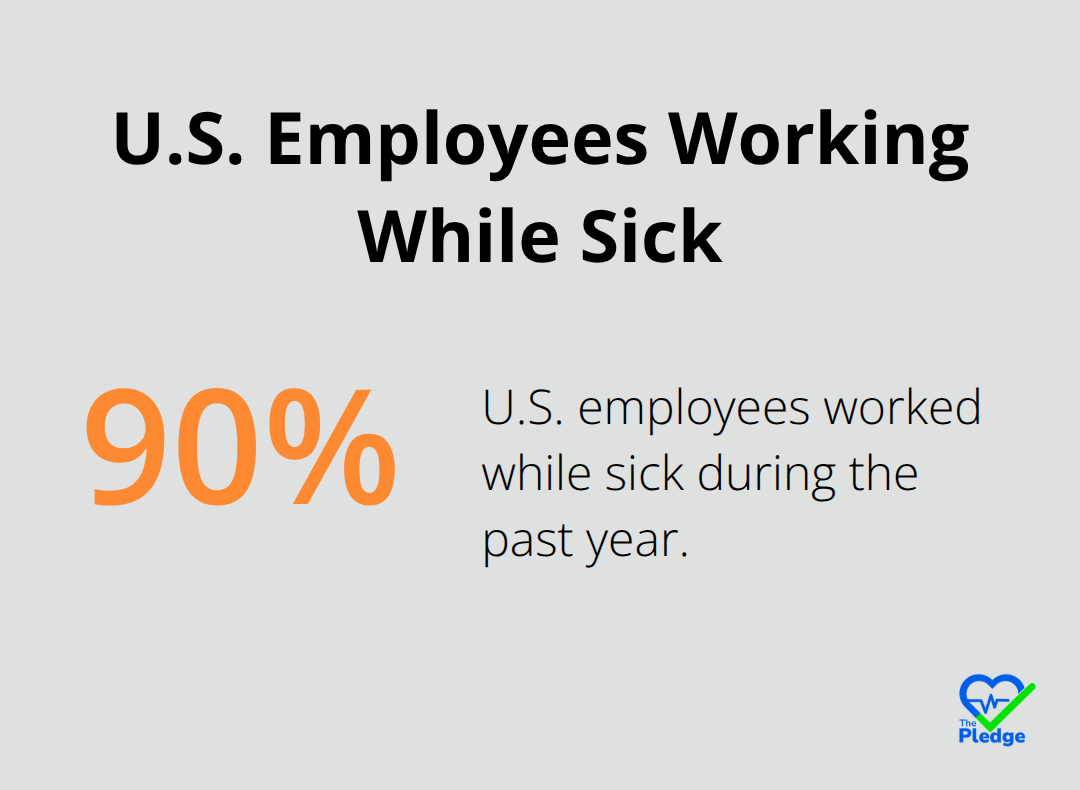
Workplace wellness programs deliver measurable physical health improvements that extend far beyond basic gym memberships. Companies with comprehensive wellness initiatives help address the widespread issue where nearly 90% of U.S. employees worked while sick during the past year, while employees experience direct health improvements within the first year of participation. Health screenings catch chronic conditions early, with diabetes detection rates increasing by 70% in workplaces that offer regular biometric testing.
Prevention Beats Treatment Every Time
Smart wellness programs focus on preventing chronic diseases rather than treating them after they develop. Research demonstrates the efficacy of worksite health and wellness programs in reducing disease risk compared to non-participants. Regular health assessments identify risk factors like high blood pressure and elevated cholesterol before they become serious problems.
Smoking cessation programs achieve 30% success rates when combined with workplace support systems, saving participants an average of $3,400 annually in healthcare costs. Weight management programs that include nutrition counseling and fitness tracking help employees lose an average of 12 pounds in their first year.
Your Healthcare Costs Drop Significantly
Physical health improvements translate directly into lower personal healthcare expenses. Employees who participate in wellness programs spend $1,384 less on medical care annually according to University of Illinois research. Preventive care screenings covered by wellness programs catch expensive conditions early, which reduces emergency room visits by 25%.
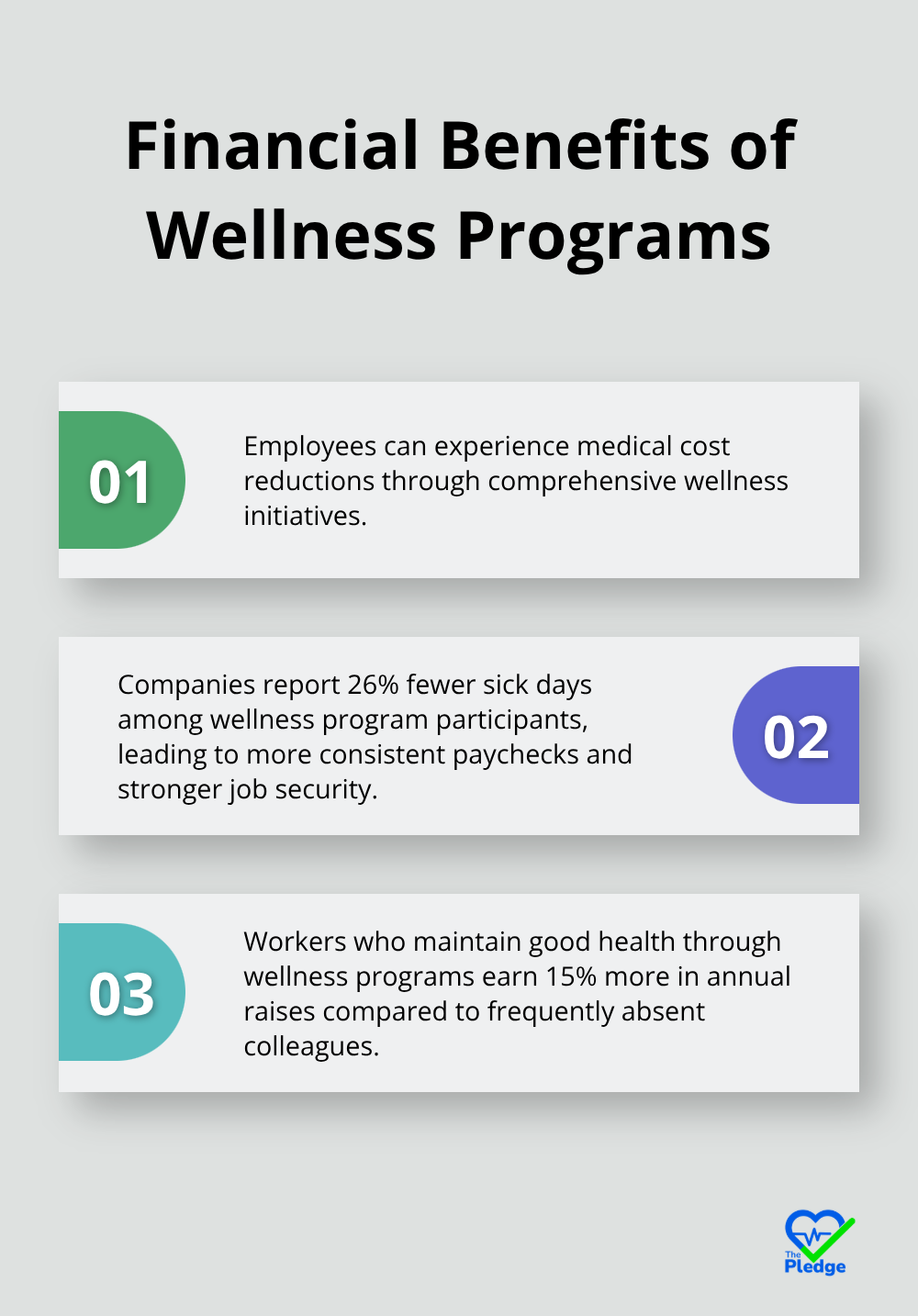
Companies that offer comprehensive wellness benefits see their employees use 26% fewer sick days, which means more consistent income and better job security. Health Savings Account contributions from employers often increase when you actively participate in wellness programs (giving you more money for future healthcare needs).
Fitness Programs Build Long-Term Habits
On-site fitness centers and gym membership reimbursements create sustainable exercise routines that employees maintain beyond work hours. Workers with access to workplace fitness facilities exercise 2.3 times more frequently than those without access. Corporate fitness challenges increase daily step counts by an average of 2,847 steps per participant.
These physical improvements create a foundation for enhanced mental wellbeing and workplace productivity that extends throughout your entire career.
How Do Wellness Programs Boost Mental Performance?
Stress Reduction Creates Immediate Results
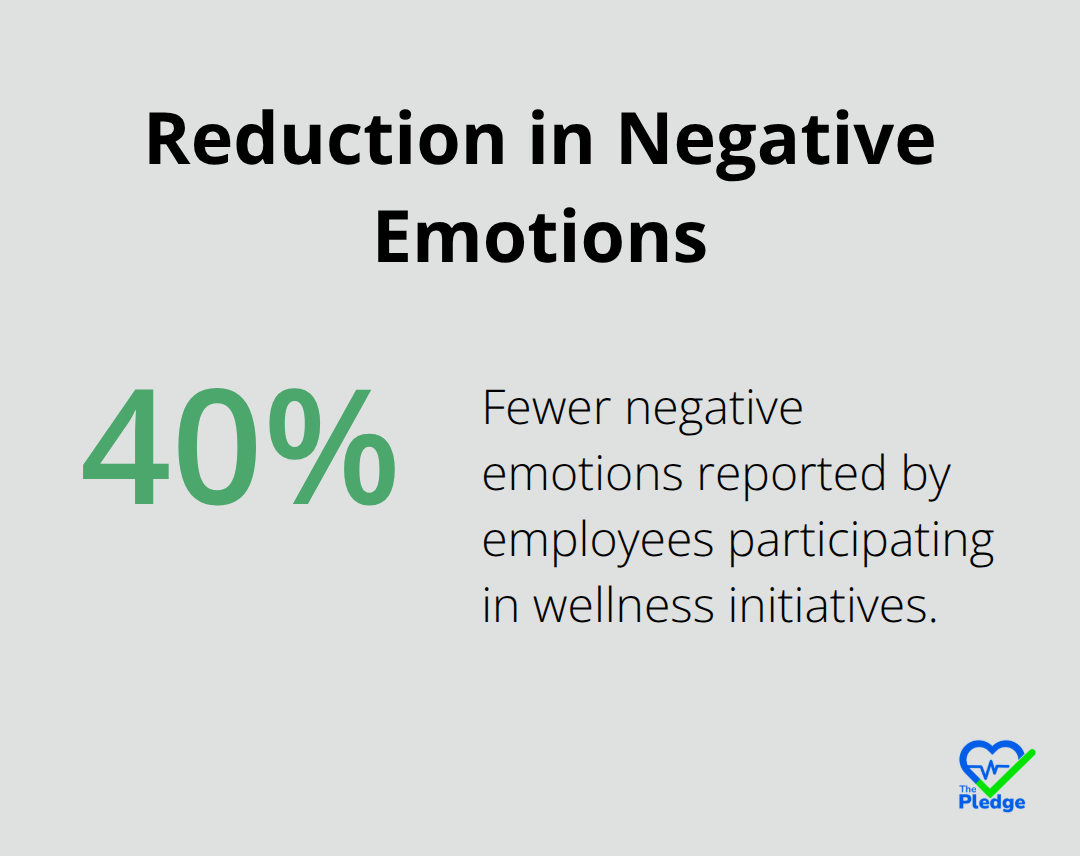
Mental health improvements from workplace wellness programs create immediate productivity gains that compound over time. Employees who participate in comprehensive wellness initiatives report 40% fewer negative emotions like stress and worry according to workplace recognition studies. Stress management workshops reduce anxiety levels by 35% within three months, while Employee Assistance Programs provide mental health support that increases job satisfaction rates by 23%.
Companies that offer flexible work arrangements as part of wellness programs see 45% improvements in work-life balance scores. These improvements directly correlate with reduced burnout rates across all employee demographics.
Enhanced Focus Drives Daily Performance
Workers who engage in wellness programs demonstrate measurably better cognitive performance and focus throughout their workday. Mental health support through wellness initiatives reduces workplace stress-related incidents by 48% (creating safer work environments for everyone). Meditation and mindfulness programs increase sustained attention spans by 14%, while employees with access to mental health resources are 67% more likely to report that they enjoy their jobs.
This positive feedback loop enhances overall workplace productivity and creates stronger professional relationships that accelerate career growth.
Recognition Programs Prevent Burnout
Recognition-focused wellness programs reduce burnout among healthcare workers by increasing well-being, engagement and resilience. Those who receive adequate recognition are 50% less likely to suffer from workplace stress, which translates into better decision-making abilities and enhanced creativity. Workers who participate in recognition programs also develop stronger resilience against workplace challenges.
These mental health improvements set the foundation for significant financial advantages that extend beyond immediate workplace benefits.
What Financial Benefits Do Wellness Programs Deliver?
Wellness programs create direct financial advantages that compound throughout your career. These benefits start with immediate reductions in personal healthcare expenses and extend to long-term wealth preservation. Employees who actively participate in comprehensive wellness initiatives can experience medical cost reductions according to workplace wellness research. Companies report 26% fewer sick days among wellness program participants, which translates into consistent paychecks and stronger job security (as employees who take fewer sick days demonstrate reliability that employers value during promotions and layoffs).
Premium Reductions and Preventive Care Access
Health insurance premium discounts represent the most immediate financial benefit of wellness program participation. The Affordable Care Act allows employers to offer up to 30% reductions in insurance costs for employees who complete wellness activities. This creates annual savings of $1,200 to $2,400 for typical family coverage plans.
Preventive care screenings through workplace programs catch expensive conditions early, with diabetes detection rates that improve by 70% when regular biometric tests are available. Early detection prevents costly emergency interventions that can cost $15,000 to $50,000 per incident. Smoking cessation programs save participants an average of $3,400 annually in reduced healthcare expenses and insurance premiums.
Career Advancement Through Health Investment
Workers who maintain good health through wellness programs position themselves for career advancement opportunities that less healthy colleagues miss. Companies increasingly view wellness program participation as a sign of personal responsibility and long-term vision (qualities that correlate with leadership potential).
Employees who use fewer sick days and demonstrate consistent productivity through health maintenance earn 15% more in annual raises compared to frequently absent colleagues. Their reliability makes them prime candidates for project leadership roles and promotions that accelerate income potential throughout their careers.
Final Thoughts
The benefits of workplace wellness programs for employees create a comprehensive foundation for long-term career success and enhanced quality of life. Physical health benefits reduce personal healthcare costs by $1,384 annually while early detection prevents chronic diseases. Mental health improvements boost cognitive performance and reduce burnout by 50%, which creates stronger workplace relationships and career advancement opportunities.
Financial advantages compound throughout your career as premium reductions of up to 30% provide immediate savings. Consistent attendance and productivity position you for leadership roles and higher compensation. Workers who maintain good health through wellness programs earn 15% more in annual raises compared to frequently absent colleagues (demonstrating the direct correlation between health investment and career growth).
Employees who actively participate in wellness initiatives develop sustainable health habits that extend beyond work hours. These programs create lasting improvements in energy levels, stress management, and overall life satisfaction. Modern platforms like The Pledge simplify wellness program participation by centralizing health data and providing personalized reminders through AI-powered technology.
![[Guide] Incentives That Drive Preventive Health Participation](https://thepledge.app/wp-content/uploads/emplibot/Guide_-Incentives-That-Drive-Preventive-Health-Participation_1783650286-300x168.jpeg)