

American companies lose $530 billion annually due to employee health issues and absenteeism. The benefits of preventive health care extend far beyond individual wellness.
At The Pledge, we’ve seen how strategic health programs transform both employee satisfaction and business outcomes. Smart prevention beats costly treatment every time.
How Do Employees Benefit From Preventive Health Programs
Preventive health care delivers measurable improvements to employee well-being and workplace performance. Workers who participate in comprehensive health screenings miss fewer workdays compared to those who skip preventive care. Companies with robust preventive health programs report lower absenteeism rates and reduction in healthcare costs within the first two years of implementation.
Fewer Sick Days Through Early Intervention
Preventive screenings catch health issues before they become serious problems. Health risk assessment screening programs with feedback improve blood pressure and total cholesterol control. Regular cholesterol screenings reduce heart disease risks, while diabetes screenings prevent costly emergency interventions. Workers with access to on-site health clinics use fewer sick days per year than those without preventive care access.
Enhanced Work Performance and Energy Levels
Employees who participate in preventive health programs show measurable productivity gains. Studies from the Journal of Occupational and Environmental Medicine found that workers who participate in wellness screenings demonstrate higher productivity scores and report improved energy levels throughout the workday. Preventive dental care alone reduces productivity loss when it eliminates painful dental emergencies that affect concentration and work quality.
Protection Against Chronic Disease Development
Early detection programs stop chronic conditions before they impact work performance. The National Institute for Occupational Safety and Health found that workplace health screenings identify pre-diabetes in participants which allows for intervention before full diabetes develops. Cancer screenings detect more cases in early stages when treatment is less invasive and recovery happens faster. Workers who participate in comprehensive preventive programs have lower rates of chronic conditions that require ongoing medical management and frequent absences.
These health improvements create a foundation for significant cost savings that benefit both employees and employers through reduced healthcare costs and improved productivity.
What ROI Can Employers Expect From Preventive Health Programs
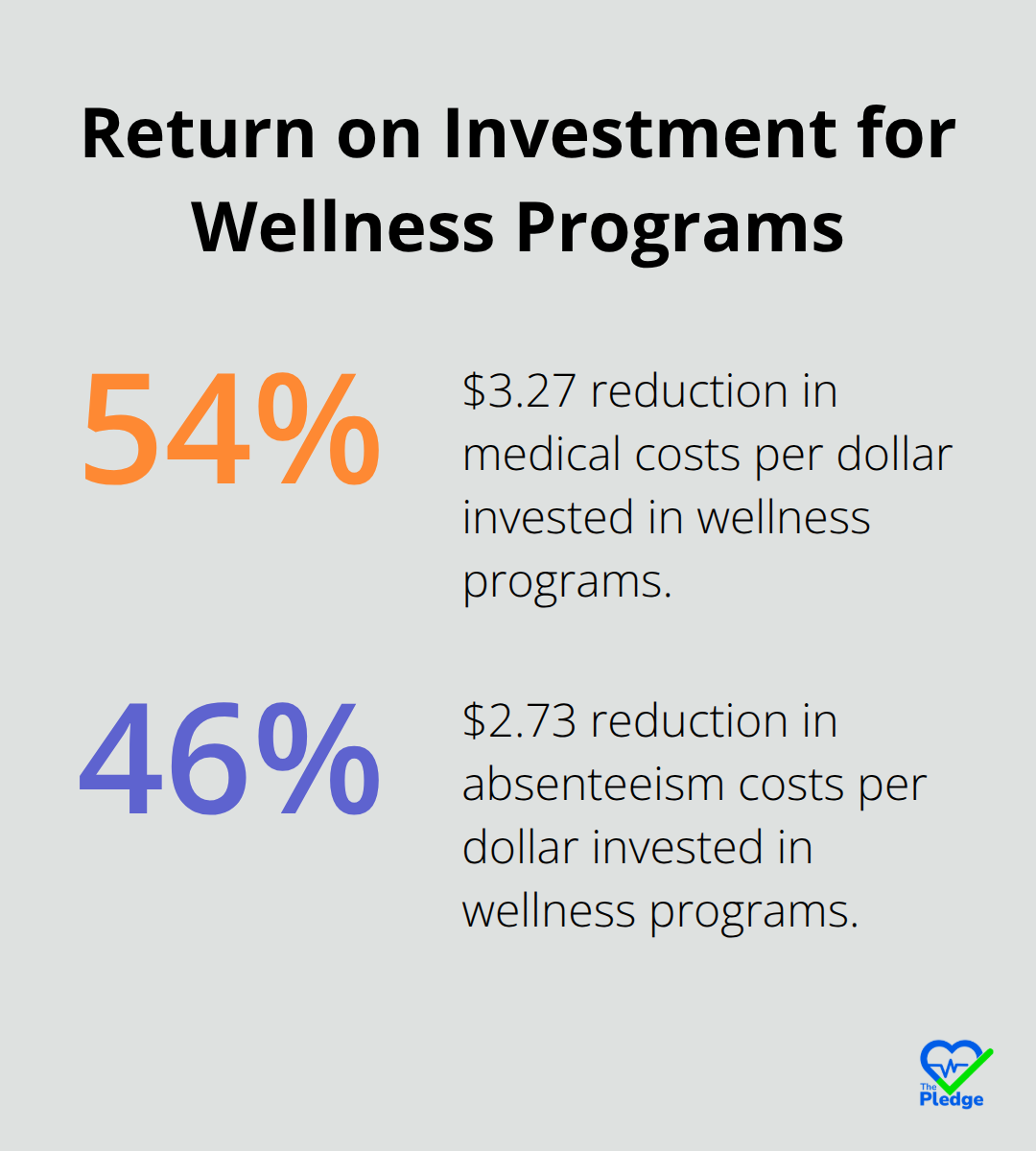
Preventive health programs generate substantial financial returns that far exceed initial investments. Baicker’s landmark study in Health Affairs found that every dollar spent on wellness programs reduces medical costs by $3.27 and absenteeism costs by $2.73, which delivers a combined return of $6 per dollar invested. Johnson & Johnson reported healthcare cost savings of $250 million over six years through their comprehensive wellness program, while their stock price outperformed the S&P 500 by 60% during the same period. Companies that implement preventive health screenings see average healthcare premium reductions of 26% within three years according to the National Business Group on Health.
Healthcare Cost Reduction Through Strategic Prevention
Organizations with robust preventive programs reduce their healthcare claims by 25-30% annually according to Towers Watson research. Pepsi saved $3 million in healthcare costs after they implemented biometric screenings that identified high-risk employees early. Companies that offer on-site health clinics report 40% fewer emergency room visits and 25% reduction in specialist referrals. The American Heart Association recognizes over 1,200 companies as fit-friendly employers, with these organizations that report average healthcare cost reductions of $1,200 per employee annually. Workplace flu vaccination programs alone save employers $15-25 per employee through reduced sick days and maintained productivity.
Employee Retention and Recruitment Advantages
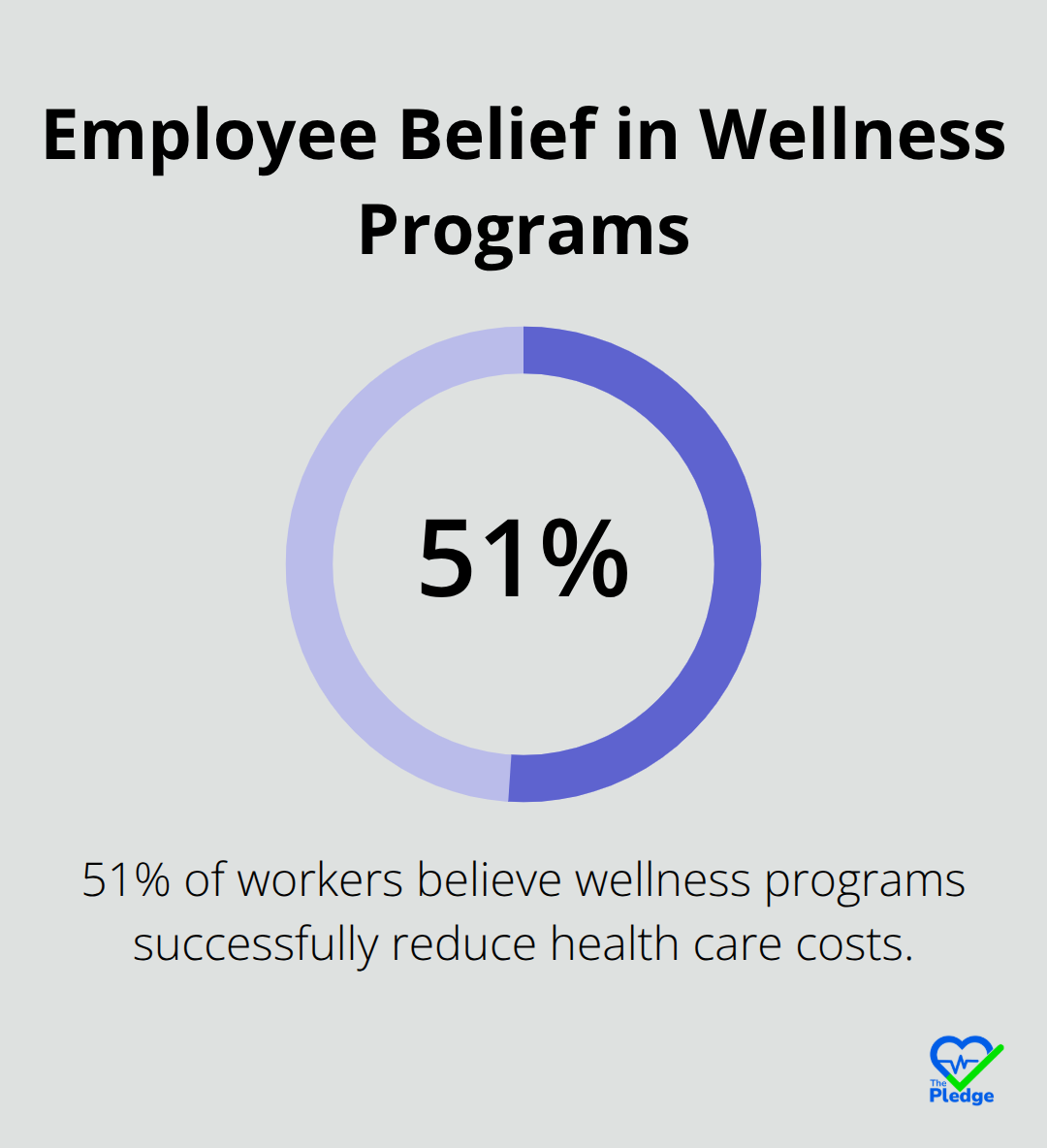
Preventive health programs show positive impact on employee retention, with 51 percent of workers believing that wellness programs are successful in reducing health care costs. Companies spend 50-200% of an employee’s annual salary to replace them (making retention programs extremely valuable). Companies with comprehensive wellness programs report 87% higher employee satisfaction scores and fill open positions 40% faster than competitors without health benefits. Aetna reduced voluntary turnover by 6% after they expanded preventive care access, which saved $3,000 per retained employee in recruitment and training costs.
Productivity Gains Through Health Investment
Healthy employees produce measurably better work outcomes than their less healthy counterparts. Companies with wellness programs see 11% higher revenue per employee and 28% higher shareholder returns compared to organizations without health initiatives. Workers who participate in preventive screenings take 1.5 fewer sick days annually and demonstrate 12% higher productivity scores on workplace assessments. These productivity improvements compound over time, creating sustainable competitive advantages for forward-thinking employers who prioritize employee health and well-being through comprehensive preventive care programs.
How to Build Preventive Health Programs That Work
Successful preventive health programs require strategic planning and precise execution to maximize participation and health outcomes. Companies that achieve the highest ROI from their health initiatives follow specific implementation strategies that prioritize accessibility, engagement, and measurable results. Organizations with on-site health clinics see higher participation rates in preventive screenings compared to those that rely solely on external providers.
Start With Comprehensive Health Risk Assessments
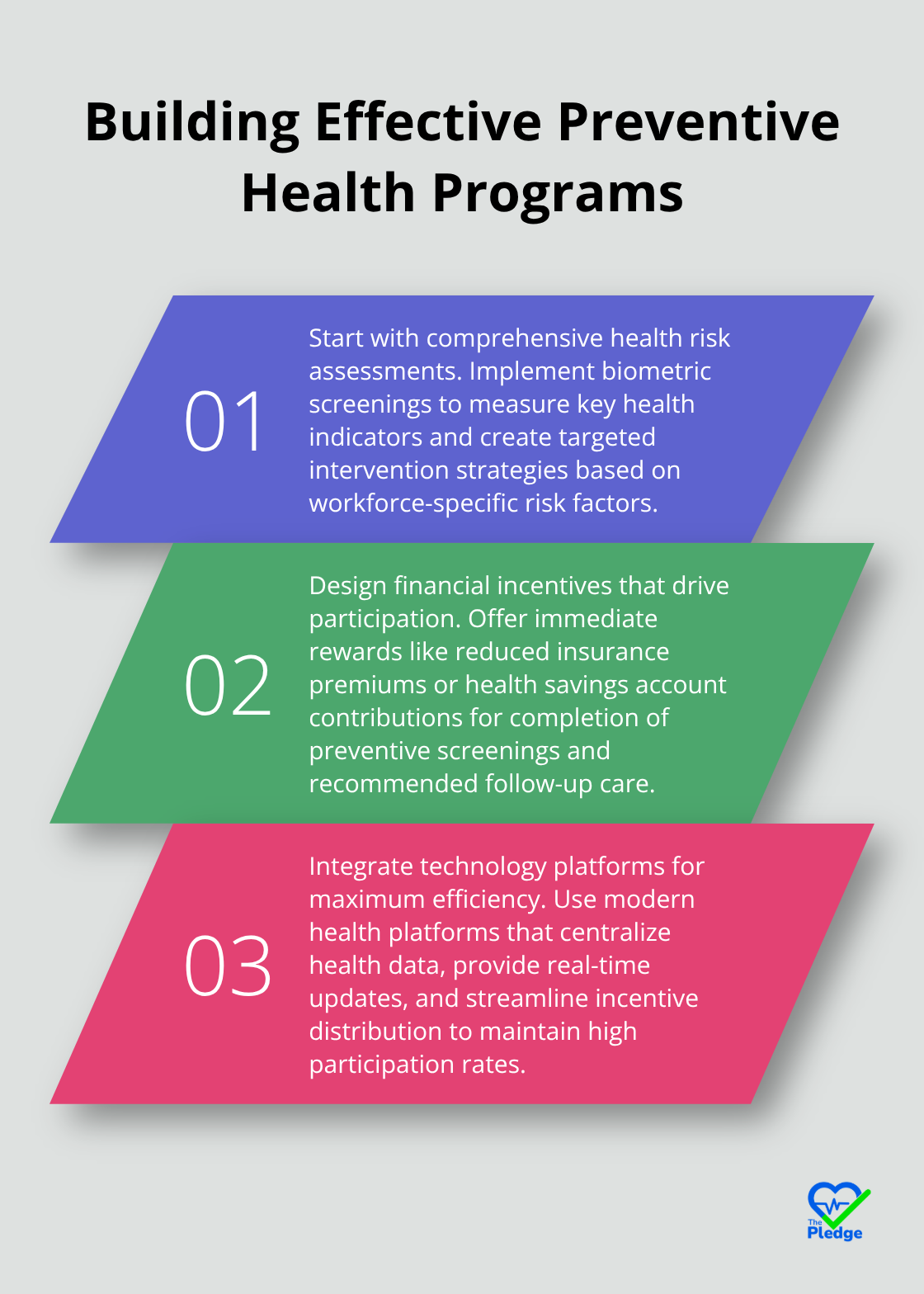
Effective programs begin with thorough baseline health assessments that identify specific risk factors within your workforce. Companies should implement biometric screenings that measure blood pressure, cholesterol levels, body mass index, and diabetes markers to create targeted intervention strategies. Pepsi’s biometric screening program identified high-risk employees and generated $3 million in healthcare savings through early intervention. Health risk assessments with personalized feedback improve blood pressure and cholesterol control rates by 15-20% according to CDC workplace health promotion studies. Organizations must analyze their claims data to identify the top three health conditions that drive costs, then design screening programs that specifically target those areas for maximum impact.
Design Financial Incentives That Drive Participation
Financial incentives increase wellness program participation, but the structure of these incentives determines their effectiveness. Companies should offer immediate rewards like reduced insurance premiums, health savings account contributions, or cash bonuses for completion of preventive screenings rather than outcome-based rewards that employees cannot control. Successful organizations provide $200-500 annual incentives for completion of biometric screenings, health risk assessments, and recommended follow-up care. The most effective programs combine positive incentives with practical support like paid time off for medical appointments and on-site screening availability.
Integrate Technology Platforms for Maximum Efficiency
Technology platforms that integrate with existing payroll systems streamline incentive distribution and reduce administrative burden while they maintain high participation rates through automated reminders and progress tracking. Modern health platforms (like comprehensive digital solutions) centralize health data and provide real-time updates that keep employees engaged with their preventive care schedules. Companies that use integrated technology solutions report 25% higher program completion rates and 30% better health outcome tracking compared to organizations that use manual systems.
Final Thoughts
The benefits of preventive health care create measurable value for both employees and employers through reduced healthcare costs, improved productivity, and enhanced workplace satisfaction. Companies that invest $1 in preventive programs see returns of $6 through lower medical expenses and reduced absenteeism. Employees gain better health outcomes and take fewer sick days when they participate in comprehensive health programs.
Future workplace healthcare will emphasize AI-driven personalization, integrated technology platforms, and real-time health monitoring. Organizations will increasingly adopt comprehensive digital solutions that centralize health data and provide predictive analytics to identify at-risk employees before costly interventions become necessary. These advances will transform how companies approach employee wellness and health management.
Organizations ready to implement preventive health programs should start with comprehensive health risk assessments, design meaningful financial incentives, and integrate technology platforms that streamline administration. The Pledge offers a complete digital health platform that centralizes medical information and provides AI-powered reminders for employees. We help organizations achieve higher engagement rates while companies see improved employee wellness through our comprehensive approach to workplace health management.