
At The Pledge, we know that incentives for workplace wellness programs can significantly boost employee participation and overall health outcomes.
Effective incentives come in many forms, from financial rewards to non-monetary benefits that enhance work-life balance. In this post, we’ll explore various strategies to motivate your team and create a thriving wellness culture.
We’ll also share practical tips for designing incentive programs that align with your company’s values and goals.
How Financial Incentives Boost Wellness Participation
Financial incentives serve as powerful tools to drive employee engagement in workplace wellness programs. These rewards can significantly increase participation rates and improve overall health outcomes.
Health Insurance Premium Discounts
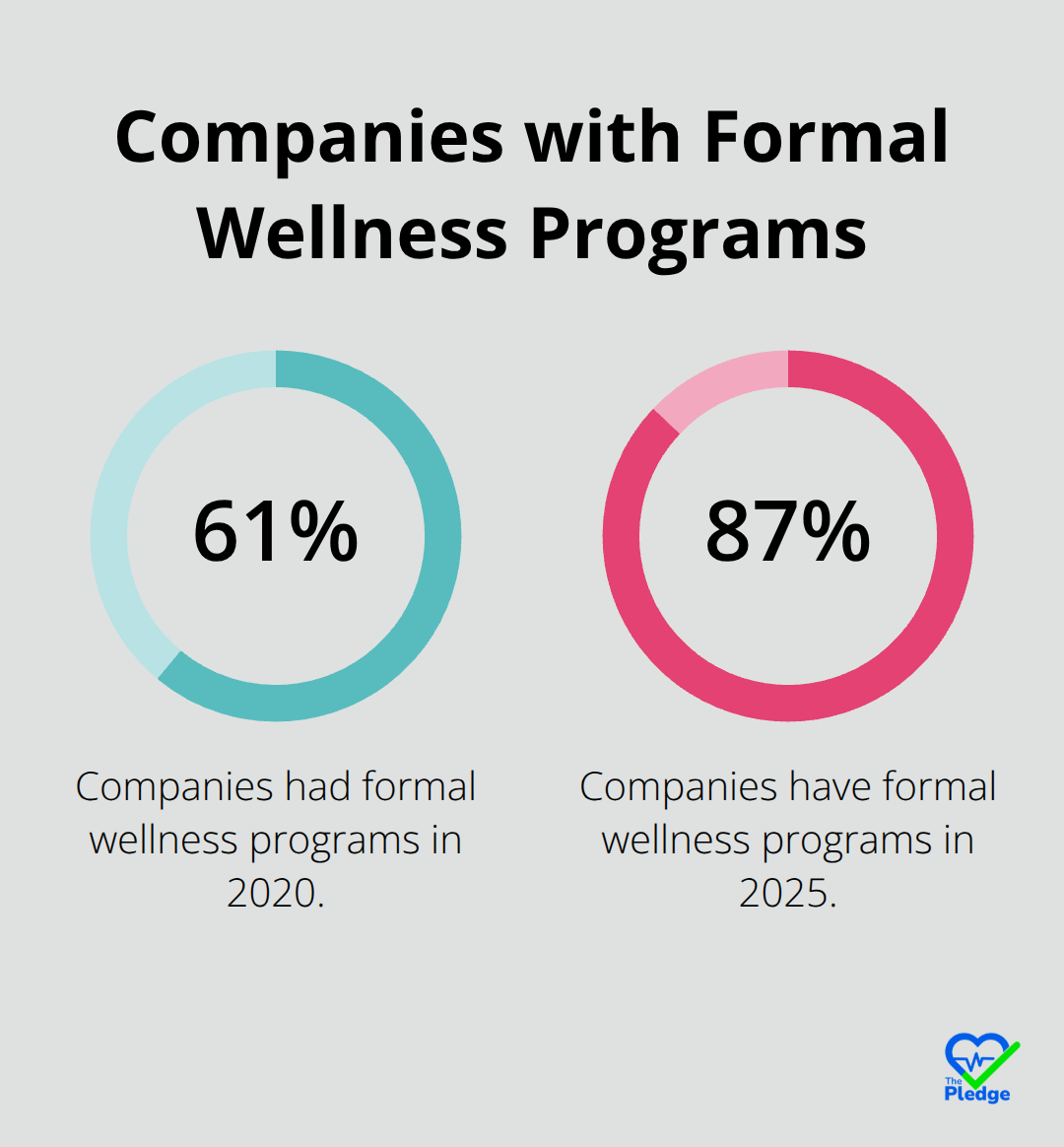
One of the most effective financial incentives involves offering discounts on health insurance premiums. 87% of companies in 2025 now have a formal wellness program in place-up from 61% in 2020. This substantial increase demonstrates the growing recognition of the importance of wellness initiatives in the workplace.
Cash Bonuses and Gift Cards
Immediate rewards like cash bonuses and gift cards provide a quick motivational boost. Studies show that even small incentives can increase program participation significantly. We recommend a tiered reward system, where employees earn progressively larger bonuses for achieving specific health goals or consistently participating in wellness activities.
Health Savings Account Contributions
Contributions to Health Savings Accounts (HSAs) act as both immediate and long-term incentives. Employers can offer additional HSA funds for employees who actively engage in wellness programs. This approach provides a tangible financial benefit and encourages employees to take a more proactive role in managing their health expenses.
Designing Effective Financial Incentive Programs
When creating a financial incentive program, it’s important to balance reward and sustainability. We suggest starting with a mix of easily achievable goals and more substantial health behavior changes. This approach keeps employees motivated in the short term while encouraging lasting lifestyle improvements.
Transparency and clear communication are essential to the success of any incentive program. Regular updates to employees on their progress and earned rewards reinforce the connection between healthy behaviors and financial benefits. This feedback loop drives continued participation in wellness initiatives.
As we explore the power of financial incentives, it’s important to note that non-financial rewards can also play a significant role in boosting wellness participation. Let’s examine how these complementary strategies can further enhance your wellness program’s effectiveness.
Non-Financial Rewards That Boost Wellness Engagement
At The Pledge, we recognize that non-financial rewards can be as effective as monetary incentives in driving participation in workplace wellness programs. These incentives tap into intrinsic motivation and create a more holistic approach to employee well-being.
Extra Paid Time Off
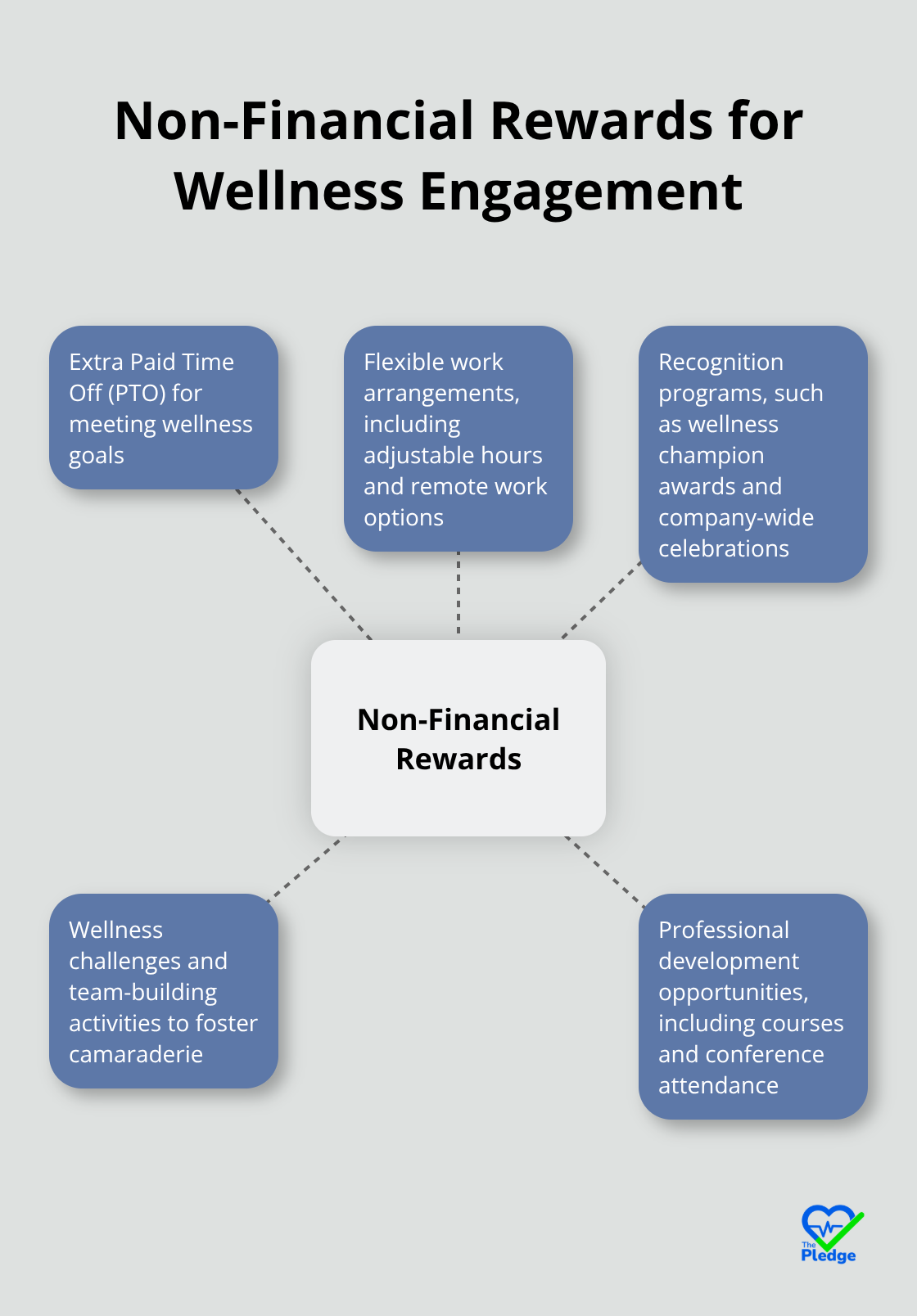
One of the most sought-after non-financial rewards is additional paid time off (PTO). Offering extra vacation days or personal days for meeting wellness goals can transform participation rates. Recent surveys show that 19% of organizations offer incentives for their wellness initiatives, with extra PTO being a popular option.
Flexible Work Arrangements
Flexibility in work schedules serves as another powerful incentive. Employers who allow employees to adjust their work hours or offer remote work options in exchange for wellness participation often see a boost in engagement. A recent study found a positive relationship between flexible work arrangements and employee engagement.
Recognition and Awards Programs
Public recognition motivates many employees strongly. A wellness champion program, where top participants receive company-wide celebration, can foster a culture of health and inspire others. Monthly wellness spotlights in company newsletters and annual awards ceremonies for outstanding wellness achievements have proven successful in many organizations.
Wellness Challenges and Team-Building Activities
Incorporating wellness challenges and team-building activities into your program can create a sense of camaraderie and friendly competition. These activities (such as step challenges or group fitness classes) not only promote physical health but also enhance social connections among employees.
Professional Development Opportunities
Offering professional development opportunities as rewards for wellness participation can appeal to employees’ career aspirations. This might include access to online courses, attendance at industry conferences, or mentorship programs. These rewards not only incentivize wellness participation but also contribute to employees’ long-term career growth.
To maximize the impact of these non-financial incentives, companies must tailor them to their unique culture and employee preferences. Regular surveys of the workforce about their motivations and desired rewards can help fine-tune incentive strategies for optimal engagement.
The combination of financial and non-financial incentives creates a comprehensive rewards system that appeals to a broader range of employees. This approach drives long-term engagement in wellness initiatives and sets the stage for designing effective incentive programs that align with company goals and values.
How to Create Incentives That Work
At The Pledge, we’ve witnessed the transformative power of well-designed incentive programs on workplace wellness participation. The secret lies in creating a system that resonates with your employees and aligns with your company’s values. Here’s how to build an incentive program that drives real results.
Tailor Incentives to Your Company Culture
Understanding what motivates your workforce is the first step. Conduct surveys or focus groups to gather insights on the most appealing rewards. A tech startup might find that offering the latest fitness wearables as incentives generates more excitement than traditional cash bonuses.
Companies that align their wellness incentives with their overall culture see a higher participation rate in their programs. This alignment ensures that your incentives feel authentic and meaningful to employees.
Set Clear, Achievable Goals
The most effective incentive programs have well-defined objectives that employees can realistically attain. Break down larger health goals into smaller, manageable milestones. Instead of a blanket goal to “lose weight,” create a tiered system where employees earn rewards for every 5 pounds lost or for consistently tracking their meals for a month.
Programs with clearly defined, short-term goals have a higher success rate compared to those with vague, long-term objectives. This approach keeps employees motivated and engaged throughout their wellness journey.
Implement a Progressive Reward System
A tiered or progressive reward system can maintain long-term engagement by offering increasingly valuable incentives as employees reach higher levels of participation or achievement. This strategy taps into the psychology of gamification, making the wellness program more engaging and fun.
You could structure your program like this:
- Bronze Level: Complete a health risk assessment and receive a gift card
- Silver Level: Participate in wellness activities and earn an additional day of PTO
- Gold Level: Achieve specific health metrics and receive an HSA contribution
Regularly Review and Adjust
The most successful incentive programs evolve based on employee feedback and participation data. Review and adjust your incentives regularly to ensure they continue to motivate and excite your workforce. A dynamic, culturally aligned incentive program will foster a thriving culture of wellness in your organization.
Consider offering incentives for participating in preventive care activities. This could include reduced health insurance premiums or additional wellness program rewards for completing annual check-ups or health screenings.
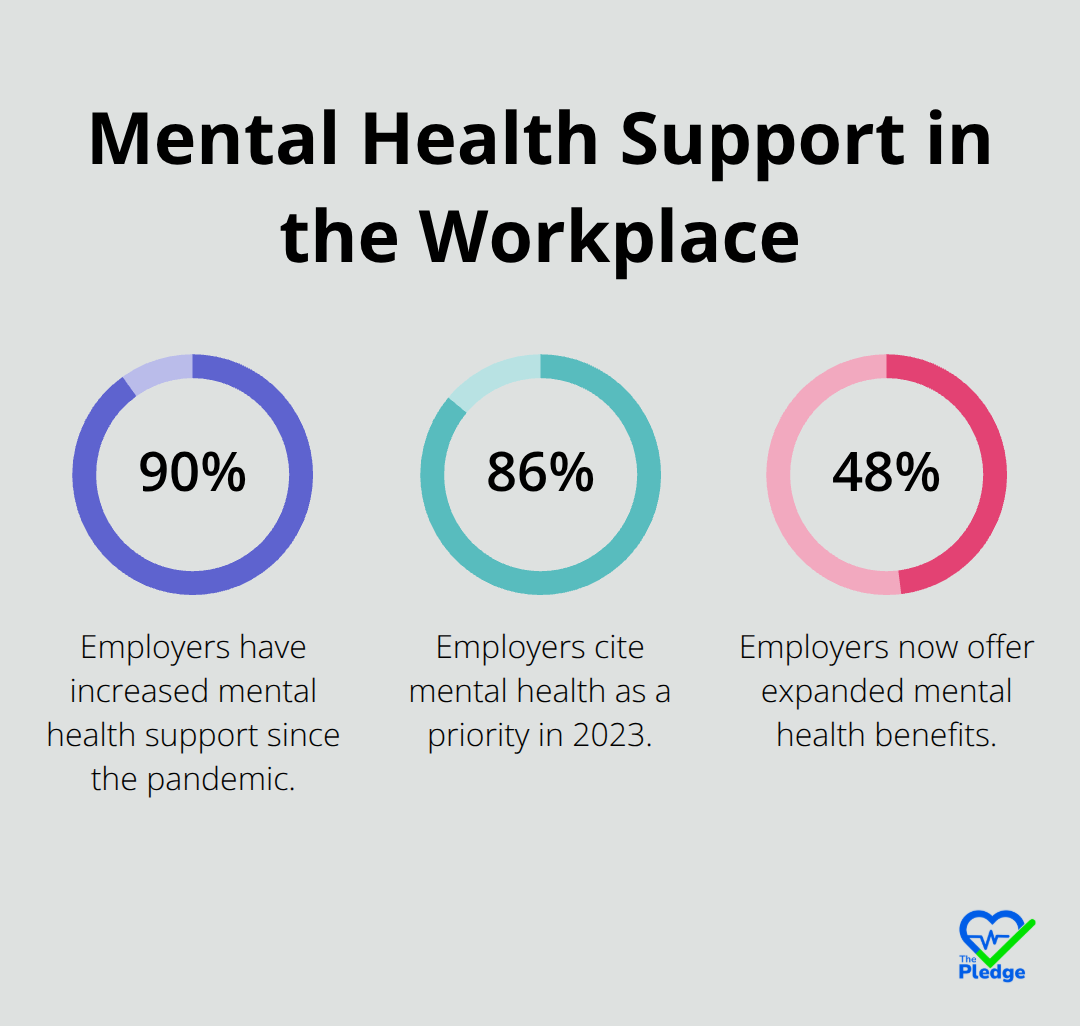
SHRM research shows that 90% of employers have increased mental health support since the pandemic began, with 86% citing it as a priority in 2023. Additionally, 48% now offer expanded mental health benefits, highlighting the growing importance of comprehensive wellness programs in the workplace.
Final Thoughts
Incentives for workplace wellness programs transform employee health and organizational culture. Financial rewards like premium discounts and cash bonuses motivate participation, while non-financial incentives such as extra PTO and recognition programs appeal to intrinsic motivations. Companies that combine these approaches create comprehensive wellness initiatives that resonate with diverse employee preferences.
Successful incentive programs align with company culture, set achievable goals, and implement progressive reward systems. These strategies boost initial participation and sustain long-term engagement in wellness initiatives. Organizations that invest in well-designed wellness programs often experience reduced healthcare costs, increased productivity, and improved employee satisfaction.
The future of workplace wellness will involve personalized, data-driven approaches. The Pledge offers a solution that simplifies health management for employees and provides valuable insights for employers. Our platform centralizes health data and offers AI-powered recommendations to enhance the effectiveness of wellness incentives and drive engagement.