

Healthcare costs for employers are skyrocketing, putting immense pressure on businesses and their employees. At The Pledge, we understand the urgent need to reduce healthcare costs for employers without compromising the quality of care.
This blog post will explore practical strategies to boost your budget by implementing preventive health programs, leveraging cutting-edge technology, and adopting data-driven approaches to healthcare management.
Why Are Healthcare Costs Soaring?
Healthcare costs for employers have reached unprecedented levels, with no signs of slowing down. In 2026, employers are projected to face an 8.5% increase in healthcare costs for the Group market. This surge puts immense pressure on businesses and their employees.
The Pharmacy Cost Explosion
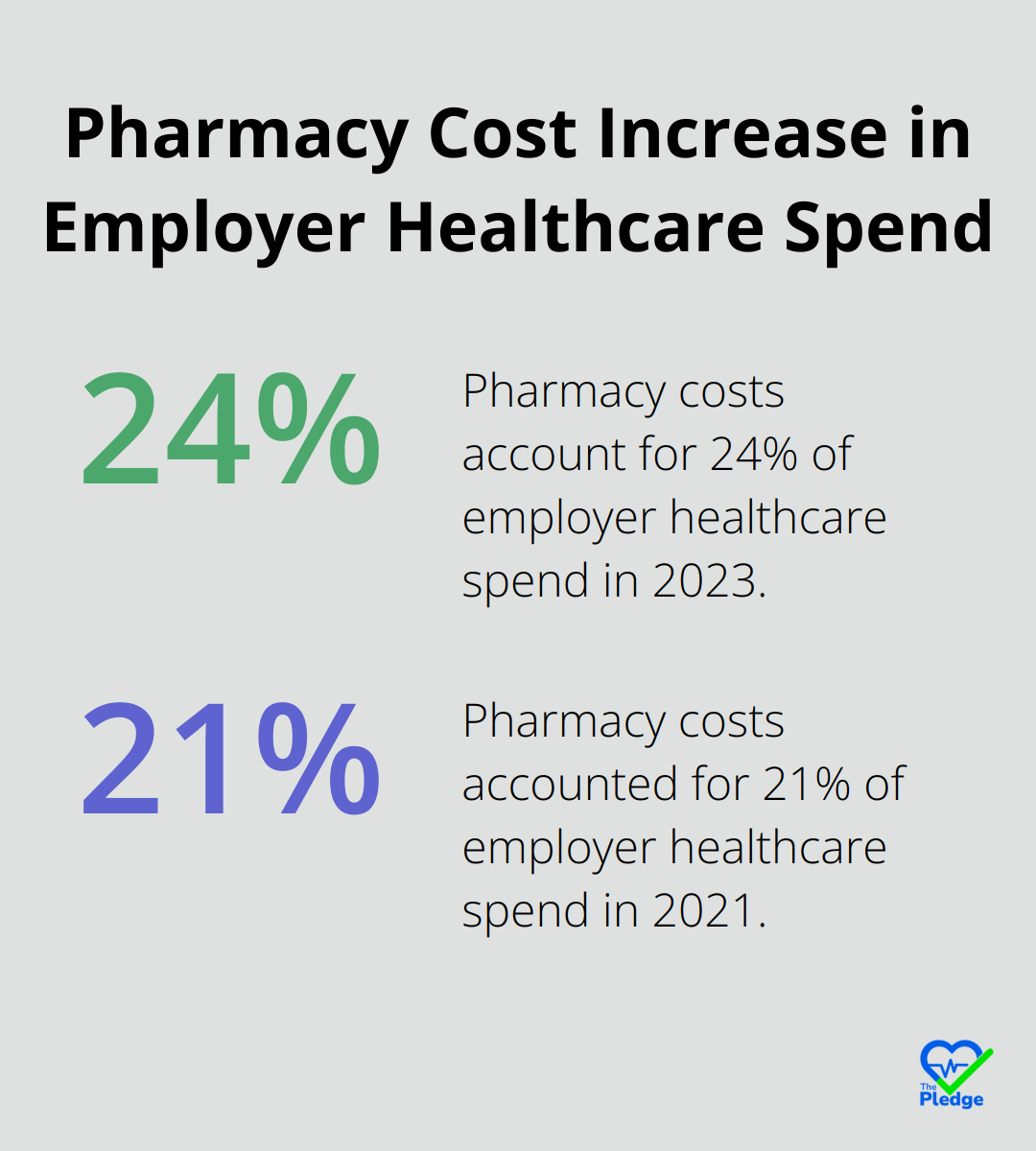
A major driver of this cost increase is pharmacy spending. It now accounts for 24% of employer healthcare spend (up from 21% in 2021). By 2026, pharmacy costs will increase by 11% to 12%. This surge stems largely from high-cost GLP-1 obesity medications. However, medical costs for people taking GLP-1s were reduced by 7% compared with workers not taking the medication, though it takes about two years to see these savings.
Chronic Conditions and Delayed Care
Cancer remains the top condition driving employer healthcare costs, followed by musculoskeletal and cardiovascular conditions. The COVID-19 pandemic disrupted preventive care, which led to a higher prevalence of chronic conditions. This delay in care now results in more complex and costly health issues for employees.
The Impact on Businesses
The rising costs force employers to make tough decisions. Some employers consider shifting more health plan costs onto employees through higher premiums and deductibles. Some employers already take action to control costs.
The Burden on Employees
These increases outpace wage growth. This disparity puts a significant financial strain on employees.
Innovative Solutions Needed
The healthcare landscape demands innovative solutions to address these rising costs. Employers and employees need tools to navigate this challenging landscape by promoting preventive care, simplifying health management, and leveraging data-driven insights to reduce overall healthcare spending.
As we explore strategies to combat these rising costs, let’s first examine the power of preventive health programs in reducing long-term healthcare expenses.
Preventive Health Programs: The Key to Cost Reduction
The Power of Wellness Initiatives
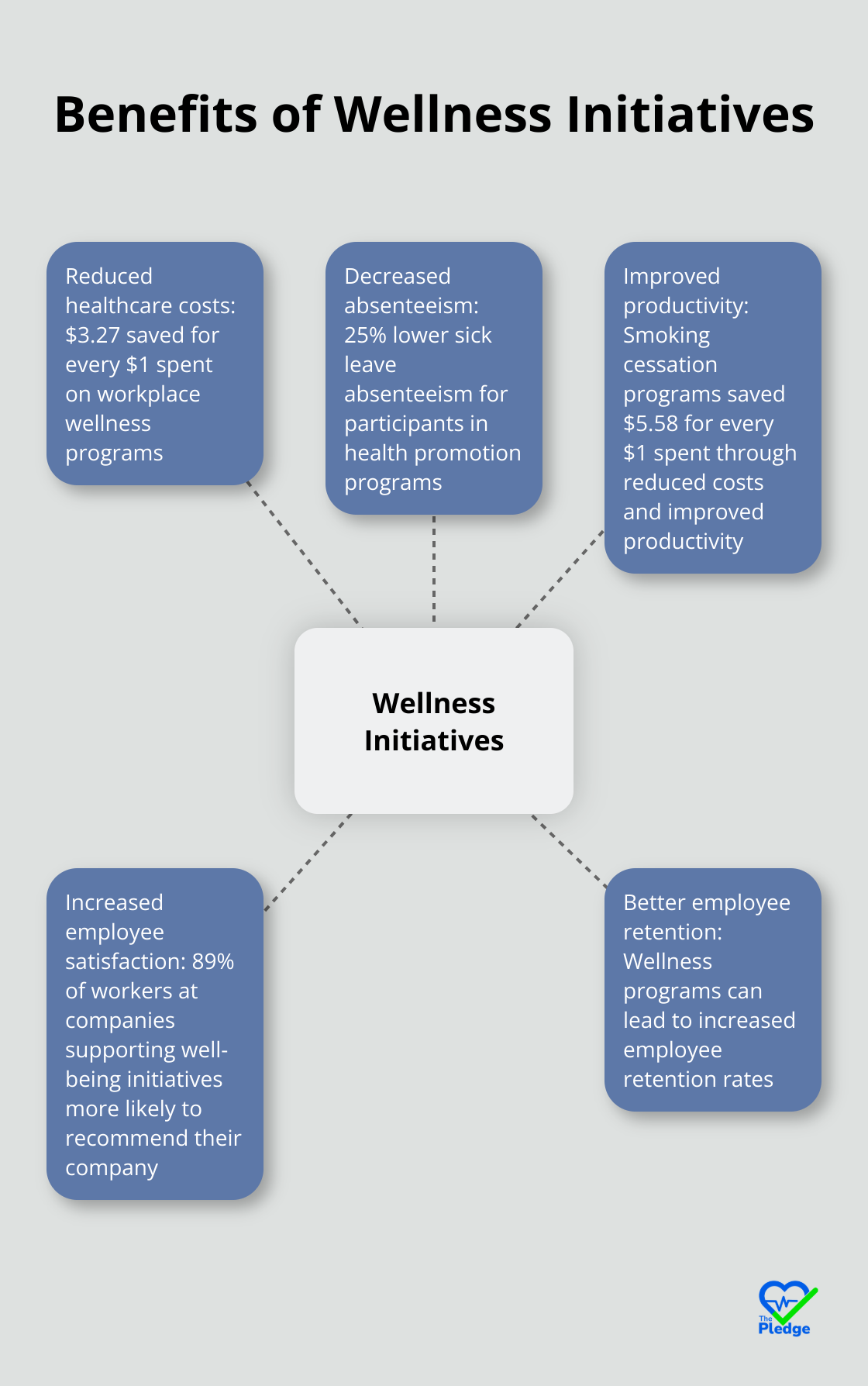
Wellness initiatives are not just feel-good programs; they’re strategic investments. A meta-analysis found that medical costs fall by about $3.27 for every $1 spent on workplace wellness programs. This ROI stems from reduced healthcare costs, decreased absenteeism, and improved productivity.
Effective Preventive Health Programs
Biometric Screenings
Biometric screenings identify health risks before they become serious issues. A large manufacturing company implemented annual biometric screenings and saw a 25% reduction in healthcare costs for employees with chronic conditions over three years.
Smoking Cessation Programs
The CDC reports that cigarette smoking cost the United States more than $600 billion in 2018. Comprehensive smoking cessation programs can significantly reduce these costs. One study found that for every $1 spent on a smoking cessation program, employers saved $5.58 in reduced healthcare costs and improved productivity.
Measuring the ROI of Employee Wellness
The ROI of wellness programs extends beyond direct healthcare cost savings. A study published in the Journal of Occupational and Environmental Medicine found that employees who participated in health promotion programs had 25% lower sick leave absenteeism compared to non-participants.
Moreover, wellness programs can lead to increased employee satisfaction and retention. A survey by the American Psychological Association found that 89% of workers at companies that support well-being initiatives are more likely to recommend their company as a good place to work.
Integrating Technology for Maximum Impact
To maximize the effectiveness of preventive health programs, employers should integrate technology solutions. These solutions can provide real-time data, personalized recommendations, and seamless engagement tools. For example, The Pledge platform integrates with existing wellness initiatives, offering a user-friendly interface that keeps employees engaged and motivated in their health journey.
The implementation of robust preventive health programs creates a healthier workforce, reduces healthcare costs, and fosters a culture of well-being. The key lies in selecting programs that align with employees’ needs and leveraging technology for optimal engagement.
As we move forward, it’s essential to explore how technology can further revolutionize healthcare cost reduction for employers. The next section will examine cutting-edge solutions that are transforming the landscape of employee health management.
How Technology Cuts Healthcare Costs
Technology revolutionizes healthcare cost reduction for employers. At The Pledge, we witness how innovative tech solutions transform health management and lower expenses significantly.
AI-Powered Health Management
Artificial Intelligence (AI) predicts health risks accurately, enabling early intervention. Optum’s EIS offers strategies and best practices for reducing hospital length of stay, enhancing patient care and operational efficiency.
AI-driven platforms analyze vast amounts of health data to identify potential health issues before they become serious. This proactive approach improves employee health and reduces long-term healthcare costs for employers.
Telemedicine: Cost-Effective Healthcare Delivery
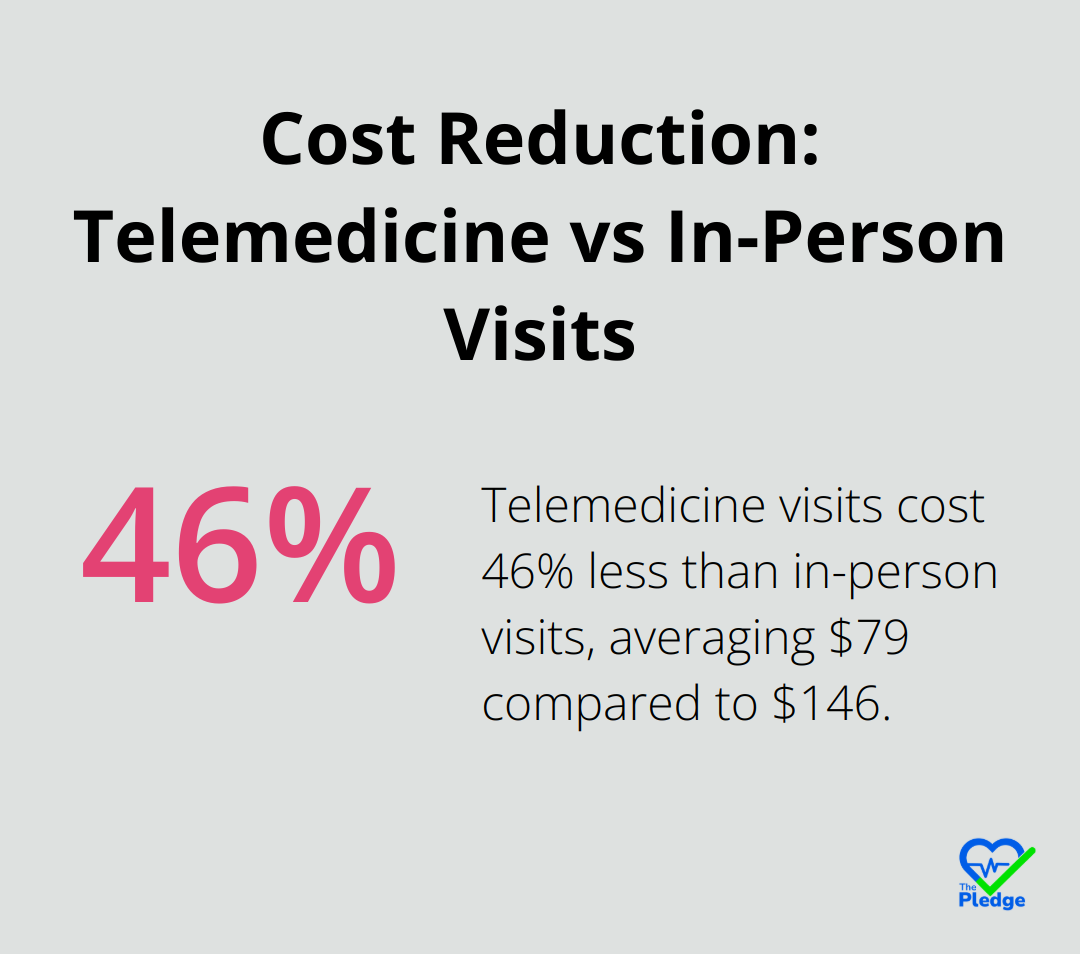
Telemedicine offers a cost-effective alternative to traditional in-person visits. The average cost of a telemedicine visit is $79, compared to $146 for an in-person visit (a 46% cost reduction).
Telemedicine also reduces absenteeism. Employees consult with healthcare providers without taking time off work, leading to increased productivity. A survey found that 77% of employers reported telemedicine as effective in reducing healthcare costs.
Data Analytics for Targeted Interventions
Data analytics helps understand healthcare utilization patterns and implement targeted interventions. Digital healthcare tools could revolutionize healthcare systems on a global scale and deliver a new era of value-driven healthcare.
Advanced data analytics identify high-risk individuals and recommend personalized interventions. This targeted approach ensures efficient resource allocation, maximizing the impact of healthcare spending.
For example, an employer identified a group of employees at high risk for diabetes using data analytics. They implemented a targeted diabetes prevention program, which reduced healthcare costs for this group by 27% over two years.
Wearable Technology and Health Tracking
Wearable devices transform health monitoring and management. These devices provide real-time health data, enabling early detection of potential health issues. A study found that wearable-based wellness programs can lead to annual savings of $1,000 per employee in healthcare costs.
Integration with popular wearable devices provides employers with aggregated, anonymized health data. This information helps design more effective wellness programs and identify areas for intervention.
Blockchain for Secure Data Management
Blockchain technology enhances data security and interoperability in healthcare. It creates a tamper-proof, decentralized system for storing and sharing medical records. This technology reduces administrative costs (estimated at 15-25% of healthcare spending) and improves data accuracy.
Blockchain also facilitates secure sharing of health information between providers, insurers, and patients. This seamless data exchange reduces duplicate tests and procedures, leading to significant cost savings.
Final Thoughts
Employers must take proactive steps to reduce healthcare costs while ensuring quality care for their employees. Preventive health programs and cutting-edge technology offer substantial returns on investment, lowering medical expenses and boosting productivity. AI, telemedicine, and data analytics enable early intervention and cost-effective care delivery, contributing to a more efficient healthcare ecosystem.
The long-term benefits of proactive health management extend beyond immediate cost savings. A healthier workforce increases productivity, reduces absenteeism, and improves employee retention. It also fosters a culture of well-being that attracts top talent and enhances company reputation.
The Pledge emerges as a game-changing solution for employers and employees alike. We centralize health data, simplify care navigation, and promote preventative care, empowering individuals to control their health while helping employers manage costs effectively. Our AI-powered technology and seamless integration with existing health plans offer a comprehensive approach to healthcare management that aligns with the strategies discussed in this post.