

Healthcare costs are skyrocketing, putting immense pressure on employers and employees alike. At The Pledge, we’ve seen firsthand how these rising expenses can impact businesses of all sizes.
This blog post will explore innovative strategies for employer healthcare savings, from data-driven wellness programs to cutting-edge technology solutions. We’ll show you how to maximize returns on your healthcare investments while improving employee well-being.
Why Are Healthcare Costs Soaring?
The Alarming Rise in Employer Healthcare Costs
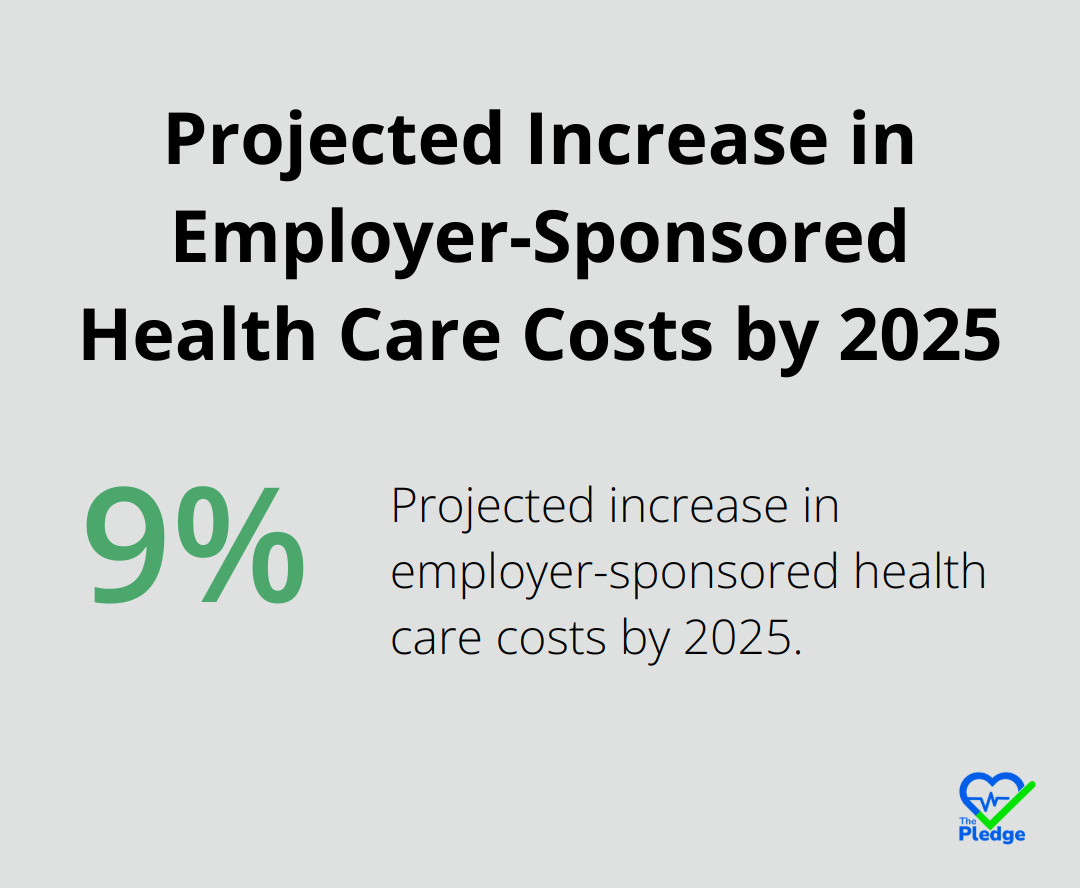
Healthcare costs for employers continue to climb at an unprecedented rate. Aon projects that the average cost of employer-sponsored health care coverage will increase 9 percent, surpassing $16,000 per employee in 2025. This significant increase from previous years puts immense pressure on businesses of all sizes.
Root Causes Behind the Cost Surge
Several factors fuel this upward trend:
- Chronic Disease Prevalence: Conditions like diabetes, heart disease, and obesity become more common, leading to higher healthcare utilization and costs.
- Prescription Drug Expenses: High-cost specialty drugs contribute significantly to this increase.
- Technological Advancements: New diagnostic tools and treatments improve patient outcomes but often come with premium price tags, driving up overall healthcare expenses.
Business and Employee Impact
The rising costs of healthcare create far-reaching consequences for both employers and employees:
- For businesses, increased healthcare expenses can erode profits, limit growth opportunities, and force difficult decisions about resource allocation.
- Employees feel the pinch as companies shift more of the cost burden to workers through higher deductibles, co-payments, and premiums. This trend can lead to financial stress and may cause some to delay necessary medical care.
Effective Cost Management Strategies
Employers can implement several strategies to manage costs while still providing quality healthcare benefits:
- Data-Driven Wellness Programs: These programs focus on preventive care and early intervention, helping to reduce long-term healthcare costs. Regular health screenings can catch potential issues before they become more serious and expensive to treat.
- Telemedicine and Virtual Care: These services provide convenient, cost-effective care for many common health issues. The option is helping employers improve access while potentially driving down costs for the organization and employees.
Harnessing the Power of Health Savings Accounts (HSAs)
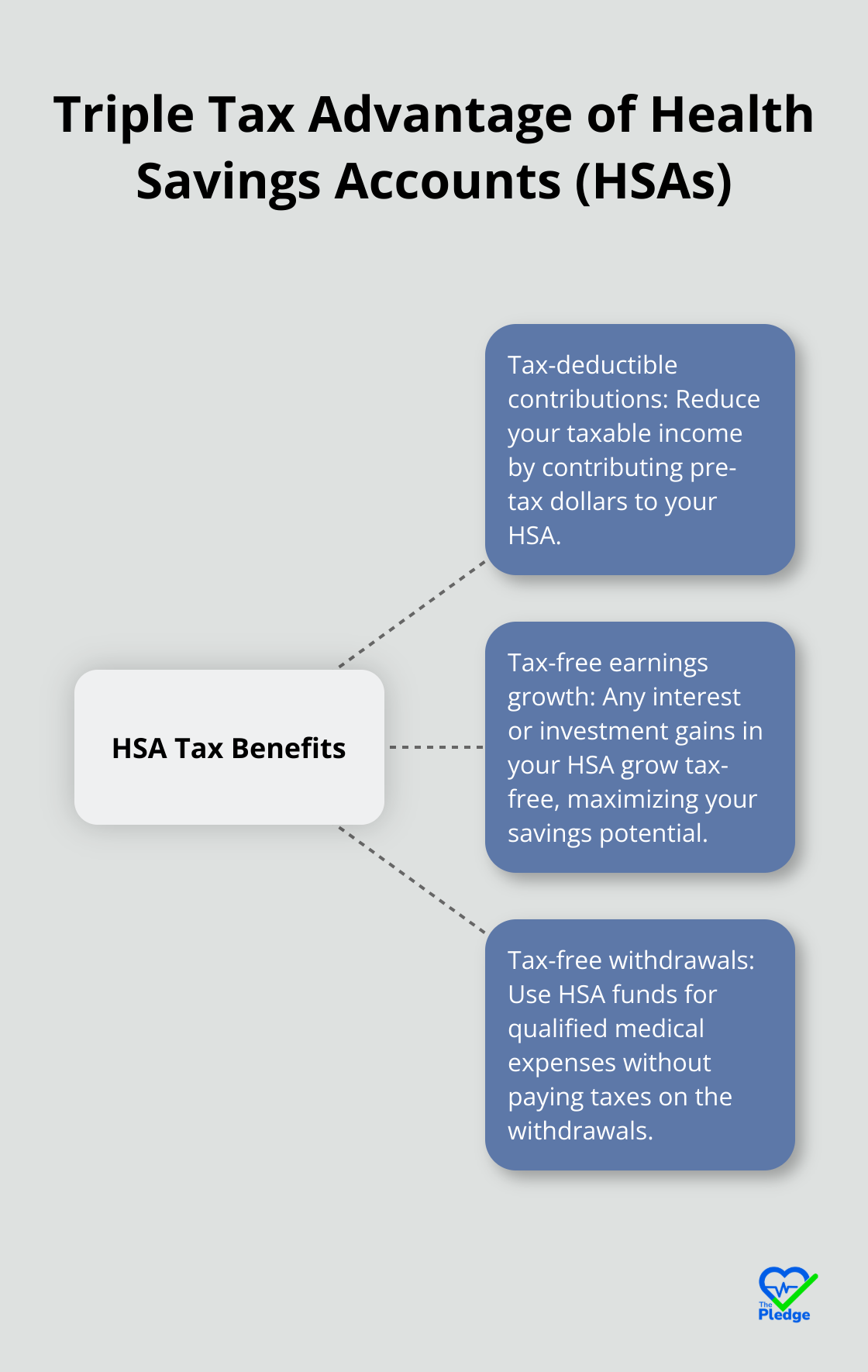
HSAs offer a powerful tool for managing healthcare costs. These accounts provide a triple tax advantage: tax-deductible contributions, tax-free earnings growth, and tax-free withdrawals for qualified medical expenses.
Employers who encourage HSA contributions help employees build a financial cushion for future medical expenses while potentially reducing the company’s overall healthcare costs.
As healthcare costs continue to rise, innovative solutions become increasingly important. The next chapter will explore cutting-edge technologies and strategies that promise to revolutionize healthcare cost management and improve overall employee well-being.
Cutting Healthcare Costs: Smart Strategies for Employers
At The Pledge, we’ve witnessed how innovative approaches can significantly reduce healthcare expenses. Let’s explore some game-changing strategies that savvy employers use to cut costs while improving employee health outcomes.
Data-Driven Wellness Programs: A Preventive Powerhouse
Wellness programs have evolved far beyond basic gym memberships. Today’s data-driven initiatives use sophisticated analytics to target specific health risks within your workforce. For example, if data shows a high prevalence of diabetes risk factors, you might implement a targeted diabetes prevention program.
These programs work. Every dollar invested in the intervention yielded $6 in health care savings, according to a 10-year study examined by the Rand Corp., a nonprofit research institute.
Telemedicine: The Cost-Cutting Convenience Revolution
Telemedicine isn’t just convenient-it’s a major money-saver.
But it’s not just about offering the service. The key is to drive adoption. Some effective strategies include:
- Waiving or reducing copays for telemedicine visits
- Educating employees about when telemedicine is appropriate
- Integrating telemedicine options directly into your health plan’s app or portal
Self-Funding: Taking Control of Your Healthcare Destiny
Self-funding isn’t just for large corporations anymore. Even small to mid-sized businesses explore this option to cut costs and gain more control over their health plans.
With self-funding, you pay for claims out-of-pocket instead of paying premiums to an insurance company. This approach can lead to significant savings.
But self-funding isn’t without risks. That’s why many employers opt for level-funding, a hybrid model that combines elements of self-funding with the predictability of traditional insurance.
Health Savings Accounts (HSAs): A Triple Tax Advantage
HSAs offer a powerful tool for managing healthcare costs. These accounts provide a triple tax advantage: tax-deductible contributions, tax-free earnings growth, and tax-free withdrawals for qualified medical expenses.
Employers who encourage HSA contributions help employees build a financial cushion for future medical expenses while potentially reducing the company’s overall healthcare costs.
Pharmacy Benefit Management (PBM) Optimization
Prescription drug costs continue to be a significant driver of healthcare expenses. PBMs are companies that work with health insurers, large employers, and other payers to manage their prescription drug benefits. Employers can work with their PBMs to implement strategies such as:
- Step therapy programs (requiring patients to try less expensive drugs before “stepping up” to more costly alternatives)
- Formulary management (negotiating better prices for preferred drugs)
- Mail-order pharmacy programs (which can reduce costs and improve medication adherence)
As we move forward, it’s clear that technology will play an increasingly important role in healthcare cost management. In the next chapter, we’ll explore how cutting-edge tech solutions are revolutionizing the way employers approach healthcare benefits and cost control.
How Tech Transforms Healthcare Cost Management
AI-Powered Health Management Platforms
Artificial Intelligence (AI) revolutionizes healthcare cost management. AI-powered platforms analyze vast amounts of health data to identify trends, predict health risks, and recommend personalized interventions. These systems flag employees at risk of developing chronic conditions like diabetes or heart disease, allowing for early intervention and potentially avoiding costly treatments.
A study by Accenture found that AI applications in healthcare could create $150 billion in annual savings for the US healthcare economy by 2026. These savings come from various sources (including more efficient clinical decision support, improved administrative workflows, and fraud detection).
Predictive Analytics for Early Intervention
Predictive analytics takes healthcare cost management to the next level. These tools analyze historical health data, claims information, and lifestyle factors to predict which employees will likely incur high healthcare costs in the future.
For instance, a predictive analytics system might identify an employee with a combination of risk factors for heart disease. The employer could then offer targeted interventions like nutrition counseling or stress management programs, potentially preventing a heart attack and saving hundreds of thousands in medical costs.
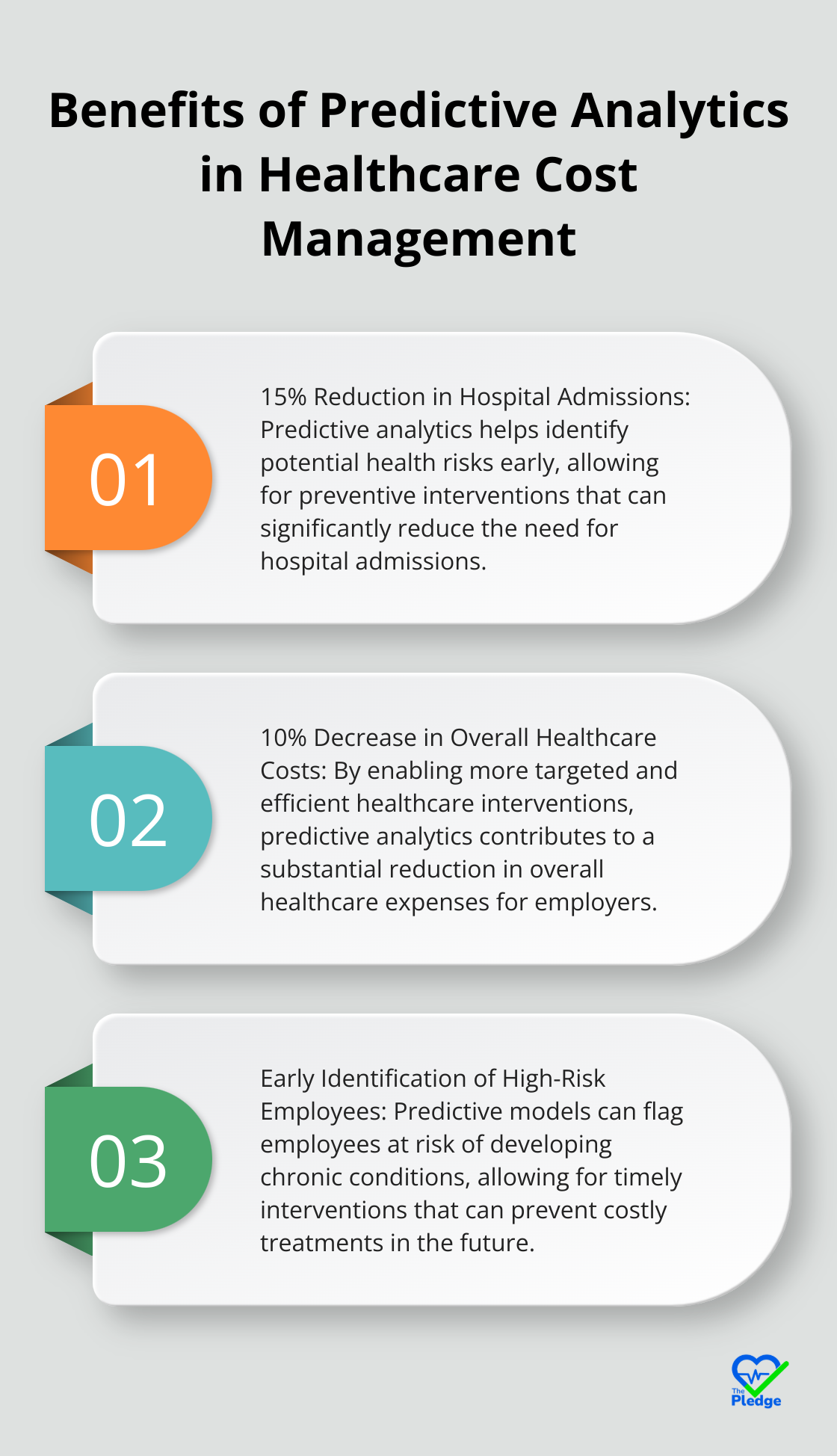
Employers using predictive analytics for health interventions saw a 15% reduction in hospital admissions and a 10% decrease in overall healthcare costs, according to a report by the Society for Human Resource Management (SHRM).
Wearables and IoT Devices for Health Monitoring
Wearable devices and Internet of Things (IoT) sensors become powerful tools for ongoing health monitoring. These devices track everything from heart rate and sleep patterns to blood glucose levels and medication adherence.
When integrated with health management platforms, this real-time data allows for more proactive and personalized healthcare interventions. For example, a smartwatch might detect irregular heart rhythms, prompting an early doctor visit that prevents a more serious cardiac event.
Wearable devices can lead to enhanced motivation and decreased stress levels among employees. Additionally, the psychological benefits extend beyond mere awareness.
Implementing Technology-Driven Healthcare Strategies
While these technologies offer exciting possibilities, employers must implement them thoughtfully. Privacy concerns, data security, and employee buy-in are all important factors to consider. The Pledge works closely with employers to develop technology-driven healthcare strategies that balance cost savings with employee well-being and privacy protection.
The Future of Healthcare Cost Management
As technology continues to advance, we expect to see even more innovative solutions for healthcare cost management. From AI-powered chatbots that provide 24/7 health support to virtual reality tools for pain management and physical therapy, the possibilities are endless. Employers who embrace these technologies will likely see significant cost savings and improved employee health outcomes in the years to come.
Final Thoughts
Healthcare costs continue to rise, prompting employers to take proactive steps for expense management while ensuring quality care. Data-driven wellness programs, telemedicine options, and self-funding models offer powerful tools for cost reduction and improved employee health outcomes. Technology plays a crucial role in modern healthcare cost management, with AI-powered platforms, predictive analytics, and wearable devices enabling early intervention and personalized care.
Employers should assess their current healthcare spending and identify areas for improvement to start implementing these cost-saving measures. Investing in employee health leads to increased productivity, reduced absenteeism, and improved employee satisfaction and retention. Healthier employees are happier, more engaged, and more likely to stay with their company.
We at The Pledge commit to help employers navigate the complex world of healthcare cost management. Our AI-powered health management platform centralizes vital medical information, benefits, and real-time health metrics, empowering employees to take control of their health while helping employers achieve significant healthcare savings. The future of employer-sponsored healthcare is here, and it’s more efficient, personalized, and cost-effective than ever before.