
Health insurance can be a maze of confusing terms and hidden benefits. At The Pledge, we believe everyone deserves to understand their coverage fully.
This guide will demystify your health insurance, with health insurance benefits explained in simple terms. We’ll break down complex jargon, highlight essential benefits, and show you how to make the most of your plan.
What’s Your Health Insurance Plan Type?
Understanding Health Insurance Plans
At The Pledge, we simplify complex health insurance information to empower you. Let’s break down the most common types of health insurance plans and key terms you’ll encounter.
Health Insurance Plan Types
Health Maintenance Organization (HMO)
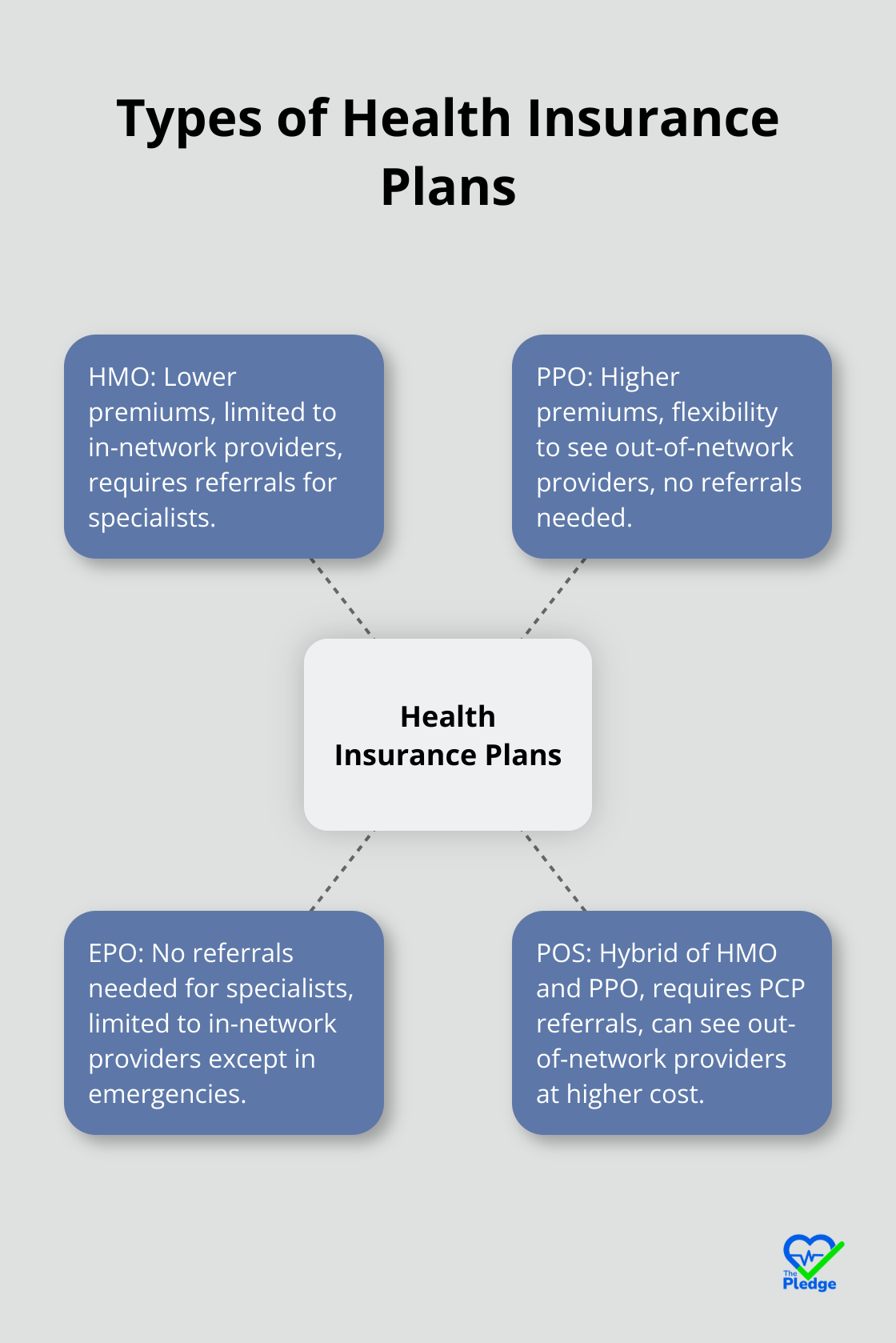
HMOs generally require you to get your care and services from doctors, other health care providers, and hospitals in the plan’s network, except in certain situations. HMOs typically have lower premiums but limit you to in-network providers.
Preferred Provider Organization (PPO)
PPOs offer more flexibility. You can see specialists without referrals and visit out-of-network providers (at a higher cost). Premiums are usually higher than HMOs, but you have more choice in your care.
Exclusive Provider Organization (EPO)
EPOs combine features of HMOs and PPOs. You don’t need referrals to see specialists, but you’re limited to in-network providers (except in emergencies).
Point of Service (POS)
POS plans are a hybrid of HMOs and PPOs. You’ll have a PCP who provides referrals, but you can also see out-of-network providers at a higher cost.
Key Terms to Know
Premiums
This is the amount you pay monthly for your insurance coverage. Lower premiums often mean higher out-of-pocket costs when you receive care.
Deductibles
The amount you pay for covered health services before your insurance starts to pay. For example, if your deductible is $1,000, you’ll pay the first $1,000 of covered services yourself.
Copayments
A fixed amount you pay for a covered healthcare service, usually when you receive the service. For instance, you might pay $25 for a doctor’s visit.
Coinsurance
Your share of the costs of a covered healthcare service, calculated as a percentage. If your coinsurance is 20%, you pay 20% of the allowed amount for the service.
In-Network vs. Out-of-Network
In-network providers have contracts with your insurance company to provide services at negotiated rates. Using these providers typically results in lower out-of-pocket costs for you.
Out-of-network providers don’t have contracts with your insurance company. If you use these providers, you’ll likely pay more, and some plans may not cover out-of-network care at all (except in emergencies).
Understanding these basics can help you choose the right plan for your needs and budget. The next section will explore the essential health benefits covered by most insurance plans, helping you maximize your coverage and make informed healthcare decisions.
After receiving care, you’ll typically receive an Explanation of Benefits (EOB) from your insurance company, which shows you the total charges for your visit and helps you understand how much your insurance paid. An EOB is not a bill.
What Essential Health Benefits Are Covered?
At The Pledge, we empower you with knowledge about your health insurance coverage. Let’s explore the essential health benefits that most insurance plans cover, as mandated by the Affordable Care Act.
Preventive Care Services
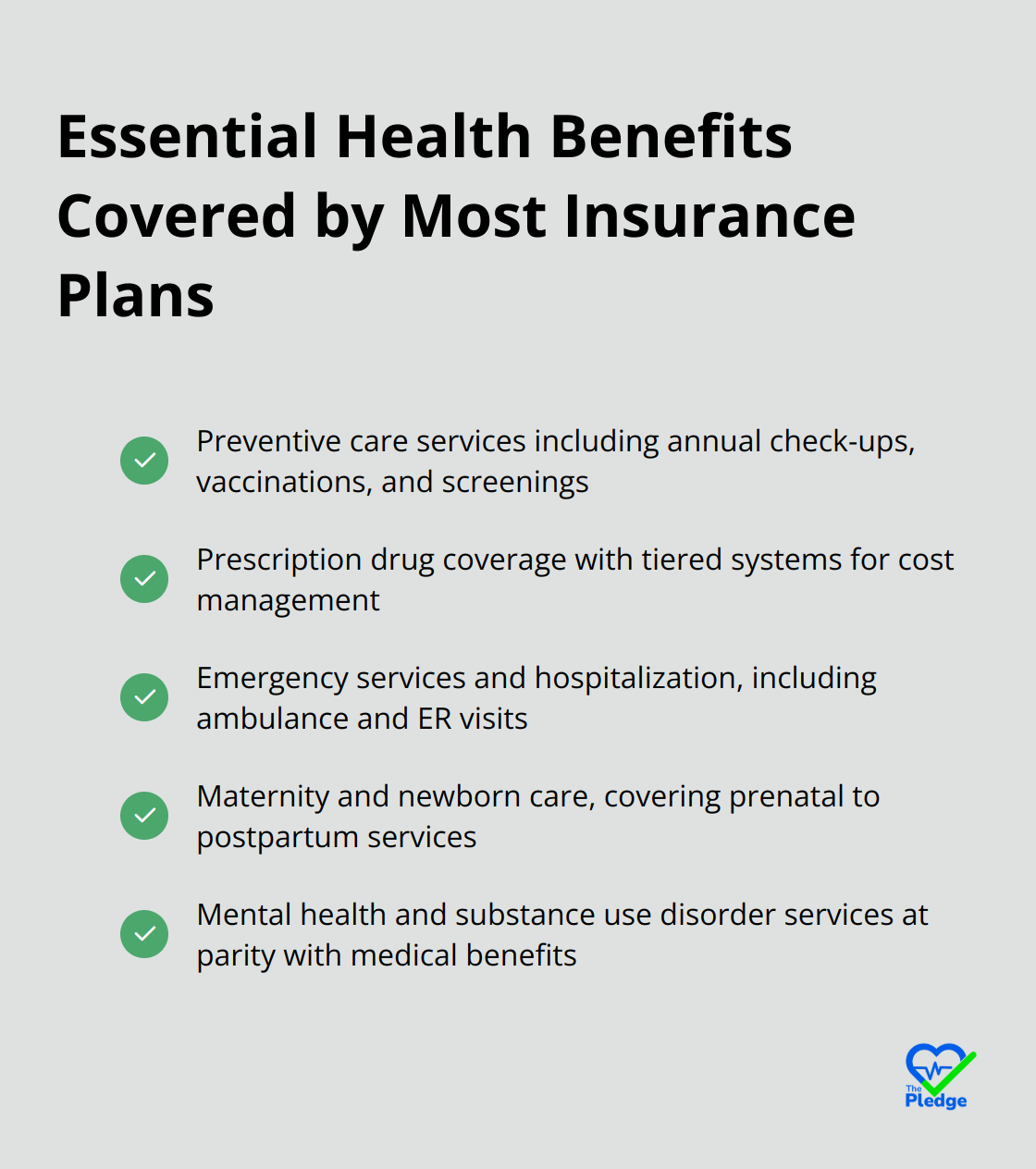
Preventive care forms the foundation of good health. Most health insurance plans cover a wide range of preventive services at no additional cost to you. These include:
- Annual check-ups
- Vaccinations
- Screenings for various conditions
Adults typically receive coverage for blood pressure screening, cholesterol screening, and colorectal cancer screening. Women may get additional coverage for mammograms and cervical cancer screenings. Children usually receive coverage for developmental screenings and immunizations.
To maximize these benefits, schedule your annual wellness visit and discuss with your doctor which preventive services suit you best.
Prescription Drug Coverage
Prescription drug coverage plays a vital role in health insurance plans. The extent of coverage varies significantly between plans. Most plans use a tiered system for prescription drugs, with generic medications typically offering the most affordable option.
To optimize your benefits:
- Ask your doctor about generic alternatives to brand-name drugs
- Review your plan’s formulary (list of covered drugs) to understand which medications are covered and at what cost
- Consider using mail-order pharmacy services for long-term medications (which can often save you money)
Emergency Services and Hospitalization
Health insurance plans must cover emergency services and hospitalization. This includes:
- Ambulance services
- Emergency room visits
- Inpatient hospital stays
It’s important to note that while emergency services receive coverage even if you go to an out-of-network hospital, you may still bear responsibility for some costs.
To avoid unexpected bills:
- Familiarize yourself with in-network hospitals in your area
- Understand your plan’s policies on emergency care and follow-up treatments
- If possible, contact your insurance provider during or immediately after an emergency for guidance on covered services
Maternity and Newborn Care
Health insurance plans typically cover a range of maternity and newborn care services. These often include:
- Prenatal care visits
- Labor and delivery services
- Postpartum care
- Newborn screenings and check-ups
Understanding these benefits can help expectant parents plan for their healthcare needs and costs during pregnancy and after childbirth.
Mental Health and Substance Use Disorder Services
Mental health parity laws require most health insurance plans to cover mental health and substance use disorder services at levels comparable to medical and surgical benefits. This coverage often includes:
- Outpatient therapy sessions
- Inpatient treatment
- Prescription medications for mental health conditions
The next section will explore how to maximize these essential health benefits, ensuring you get the most value from your insurance plan.
How to Maximize Your Health Insurance Benefits
Prioritize Preventive Care
Regular check-ups and screenings form your first line of defense against potential health issues. Most insurance plans cover preventive services at no additional cost to you. Clinical preventive services are substantially underutilized despite the human and economic burden of chronic diseases. Schedule your annual wellness visit and discuss with your doctor which screenings are appropriate for your age and health status.
Navigate Prior Authorization Requirements
Prior authorization is a cost-control process used by insurance companies. It requires approval before certain procedures or medications are covered. To avoid delays in care or unexpected bills:
- Check with your insurance provider about which services require prior authorization.
- Start the authorization process as early as possible.
- Keep detailed records of all communications with your insurance company.
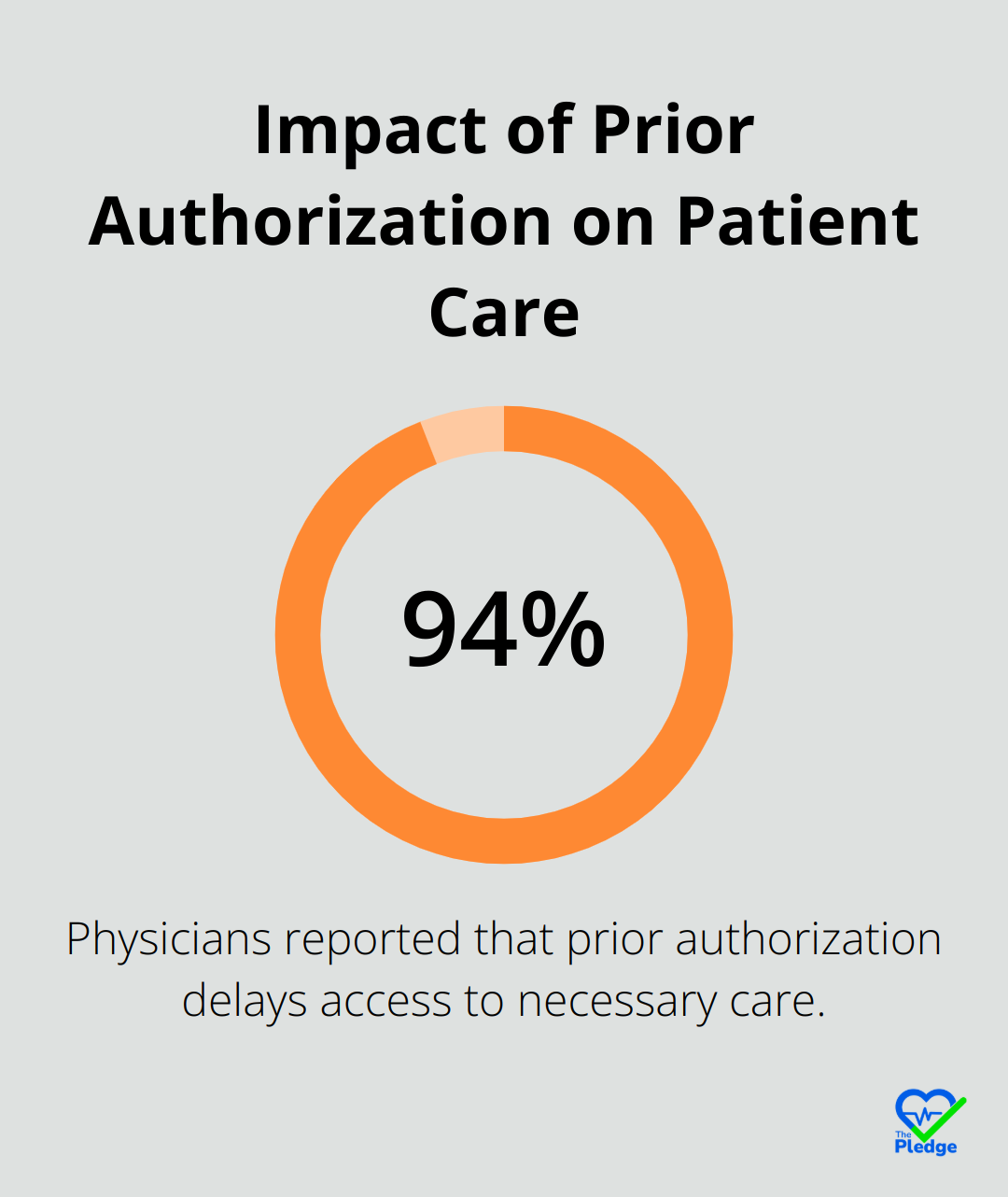
More than nine in 10 physicians (94%) reported that prior authorization delays access to necessary care. Stay proactive to minimize these delays and ensure you receive timely care.
Use Telemedicine Services
Telemedicine has become increasingly popular, especially since the COVID-19 pandemic. Many insurance plans now offer coverage for virtual visits, which can be more convenient and cost-effective than in-person appointments. Take advantage of this option for non-emergency issues, follow-ups, and mental health services.
Take Advantage of Wellness Programs
Many insurance plans offer wellness programs that provide incentives for healthy behaviors. These might include gym membership discounts, weight loss programs, or smoking cessation support. Check with your insurance provider about available programs and how you can benefit from them.
Explore Health Savings Accounts (HSAs) or Flexible Spending Accounts (FSAs)
If you have a high-deductible health plan, you may be eligible for an HSA. These accounts allow you to set aside pre-tax dollars for medical expenses. FSAs (offered by some employers) work similarly but have different rules. Try to maximize your contributions to these accounts to reduce your taxable income and save for future medical expenses.
To further streamline your healthcare experience and maximize benefits, consider utilizing corporate healthcare solutions that can help all stakeholders easily manage employee health information. Additionally, implementing a unified patient record system can enhance efficiency and improve access to vital health information, ultimately leading to better care coordination and outcomes.
Final Thoughts
Understanding your health insurance benefits empowers you to make informed healthcare decisions. You should review your policy annually during open enrollment periods to ensure it aligns with your current health needs and financial situation. This review can help you avoid unexpected costs and take advantage of new benefits that may become available.
Stay proactive about your health to make informed healthcare decisions. Prioritize preventive care, use telemedicine services when appropriate, and take advantage of wellness programs offered by your insurance plan. Don’t hesitate to ask questions about your coverage to your insurance provider or healthcare professionals.
At The Pledge, we simplify healthcare management through our digital health platform. Our platform centralizes your health information, integrates with existing health plans, and provides personalized reminders to help you stay on top of your health. We strive to make health insurance benefits explained simply, transforming the healthcare experience for everyone.