
Healthcare costs are skyrocketing, putting immense pressure on businesses and their employees. At The Pledge, we’ve seen firsthand how these rising expenses can impact company profits and worker satisfaction.
That’s why we’re excited to explore innovative corporate health solutions that can help organizations save money while improving employee well-being. From AI-powered platforms to preventive care programs, we’ll uncover smart strategies to tackle this pressing issue head-on.
The True Cost of Corporate Healthcare
Skyrocketing Expenses
Corporate healthcare costs continue to spiral out of control, putting immense pressure on businesses across the board. Rising costs are driving trends higher than previously projected for 2024 and 2025.
Impact on the Bottom Line
These rising costs aren’t just numbers on a spreadsheet-they eat into company profits and affect employee satisfaction. A survey found that employers are bracing for the largest annual increase in healthcare costs in more than a decade. This forces tough decisions: cut benefits, increase employee contributions, or sacrifice other areas of the business.
Employee Satisfaction Suffers
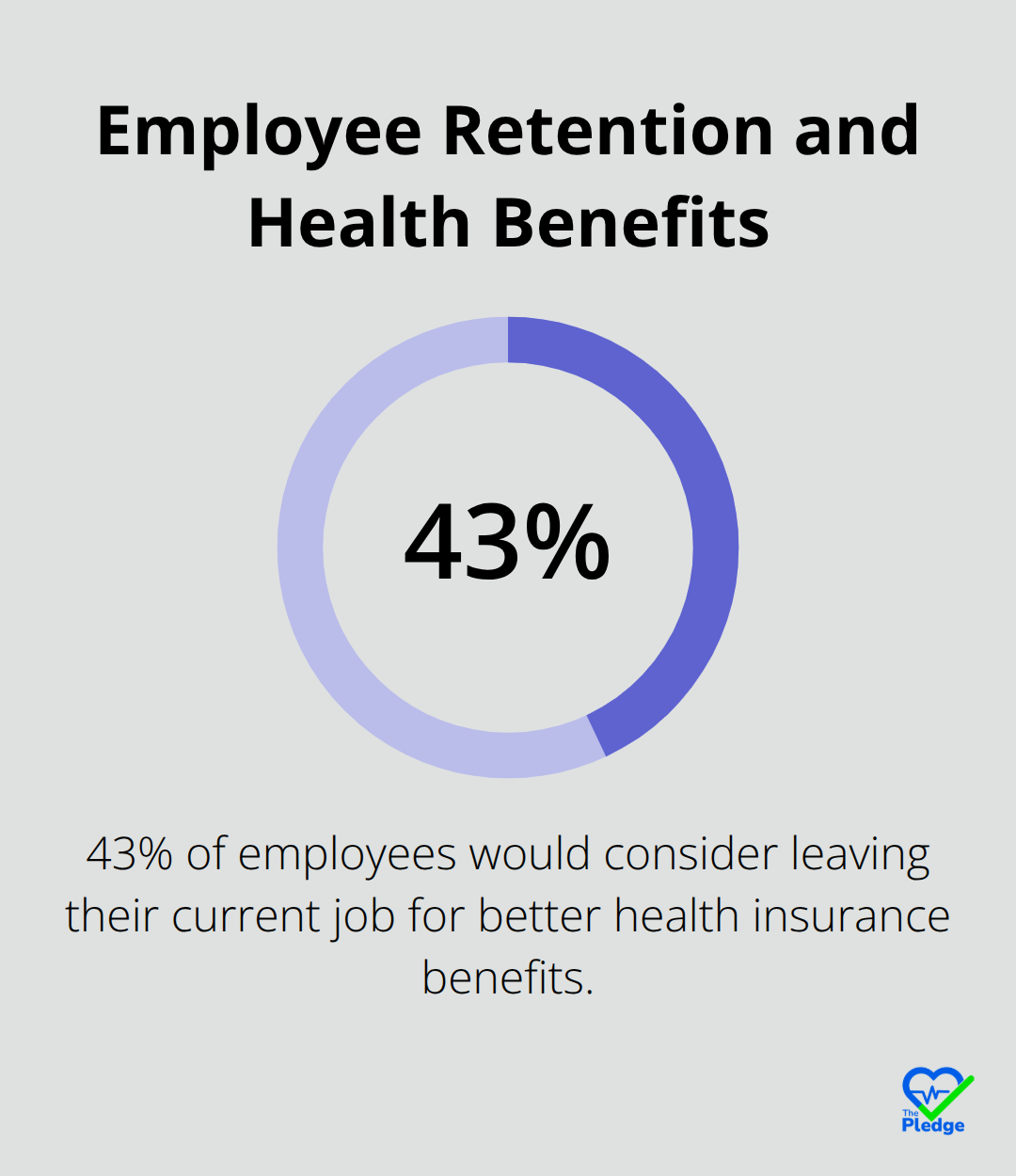
When healthcare costs rise, employees often bear the brunt. This leads to decreased productivity, increased absenteeism, and lower job satisfaction. A Gallup poll showed that 43% of employees would consider leaving their current job for better health insurance benefits.
Factors Fueling the Fire
Several factors drive this surge in healthcare costs:
- Aging workforce: Older employees require more frequent and expensive medical care.
- Chronic diseases: Conditions like diabetes and heart disease increase, leading to ongoing treatment costs.
- Prescription drug prices: The cost of medications (especially specialty drugs) continues to climb.
Technology: A Double-Edged Sword
While advanced medical technologies improve care, they also come with a hefty price tag. A study in the Journal of the American Medical Association found that new medical technologies account for 40-50% of annual cost increases.
As healthcare expenses continue to rise, businesses must find innovative solutions to manage costs without sacrificing quality care. In the next section, we’ll explore cutting-edge corporate health solutions that promise to revolutionize how companies approach employee wellness and healthcare management.
Revolutionizing Corporate Health: Smart Solutions for the Future
AI-Powered Health Management
The Pledge stands at the forefront of innovative corporate health solutions. Our cutting-edge platform uses AI technology to deliver personalized health management. This system analyzes vast amounts of health data to provide tailored insights and recommendations for each employee. For instance, it can identify workers at risk for chronic conditions and suggest targeted interventions before issues escalate.
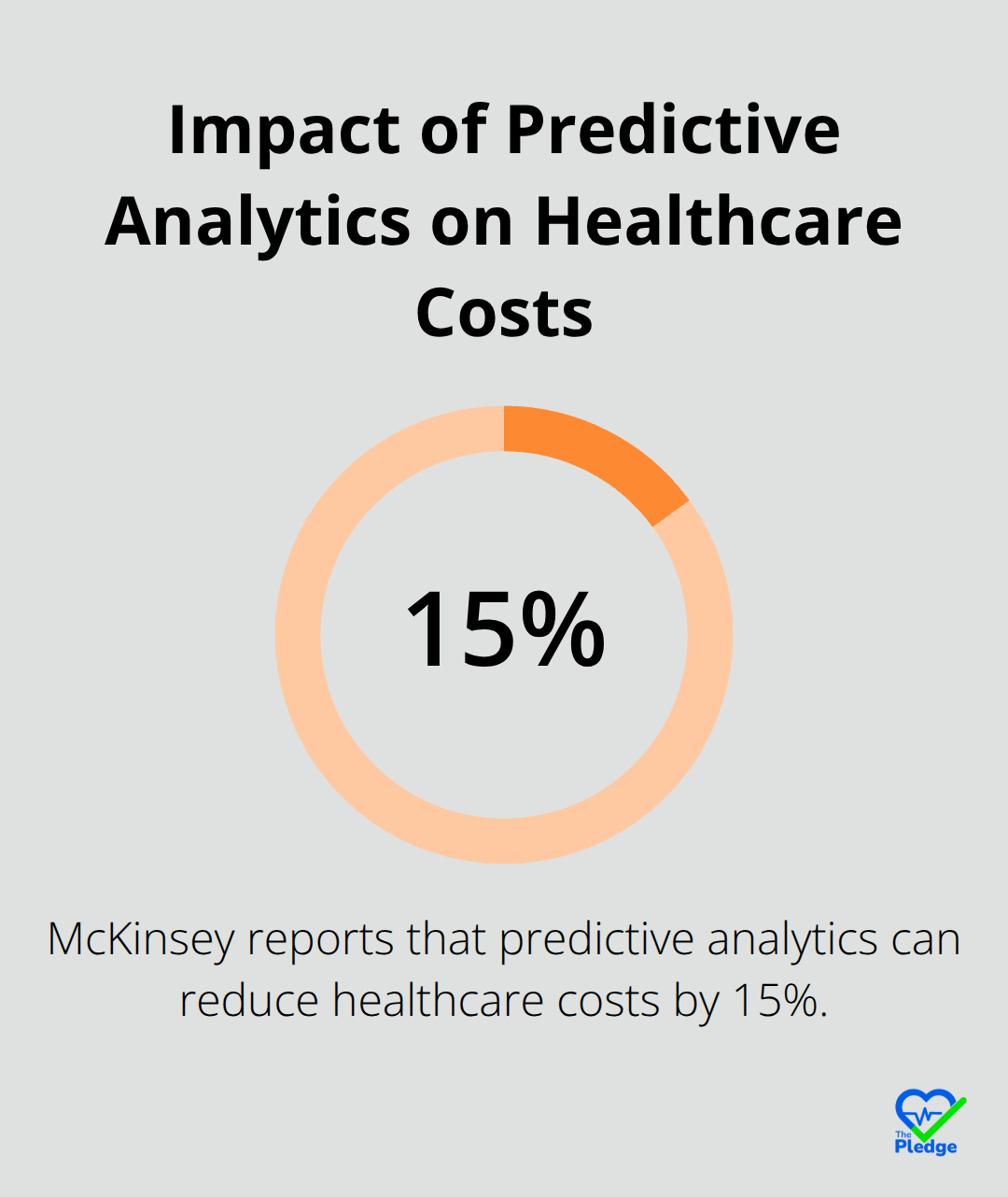
McKinsey says predictive analytics can reduce healthcare costs by 15% and improve patient outcomes and satisfaction. This translates to significant savings for businesses and better health for employees.
Proactive Preventive Care Programs
We’ve reimagined preventive care programs to boost engagement and effectiveness. Our platform sends timely reminders for screenings and vaccinations based on each employee’s health profile. We also offer gamified wellness challenges that encourage healthy behaviors (like regular exercise and balanced nutrition).
One mid-sized tech company saw a 30% increase in preventive care utilization after implementing a similar program. This led to earlier detection of health issues and a 20% reduction in emergency room visits within the first year.
Seamless Telemedicine Integration
Virtual health services are no longer just a convenience-they’re a necessity. Modern platforms integrate seamlessly with leading telemedicine providers, allowing employees to schedule video consultations, receive prescriptions, and access follow-up care all within one user-friendly interface.
Telehealth aims to increase access to health care, improve outcomes and reduce costs. This highlights the potential for significant savings through smart, integrated health solutions.
Data-Driven Wellness Initiatives
Advanced corporate health platforms use data analytics to create targeted wellness initiatives. These programs can identify trends in employee health and tailor interventions accordingly. For example, if data shows a high prevalence of stress-related issues, the system might recommend implementing mindfulness programs or flexible work arrangements.
Personalized Health Coaching
AI-powered health coaching is another innovative solution gaining traction. These systems provide personalized guidance on nutrition, exercise, and lifestyle choices based on an individual’s health data and goals. This level of personalization (which was once only available to high-level executives or athletes) is now accessible to all employees through smart health platforms.
As we move forward, the integration of these innovative solutions promises to transform how businesses approach employee health. The next section will explore how companies can measure the return on investment (ROI) of these smart health solutions, ensuring that their health initiatives not only improve employee wellbeing but also contribute to the bottom line.
Measuring Health Program Success: Quantifying Impact and Value
Establishing Clear Performance Indicators
The Pledge understands the importance of measuring the effectiveness of health initiatives. To quantify the impact of your health programs, you must establish clear, measurable Key Performance Indicators (KPIs). These may include:
- Healthcare cost reduction percentage
- Employee participation rates in wellness programs
- Decrease in absenteeism due to illness
- Improvement in biometric screening results
- Reduction in emergency room visits
A study by the American Journal of Health Promotion revealed that companies with comprehensive wellness programs experienced a 25% reduction in sick leave absenteeism. This reduction translates to significant productivity gains and cost savings for organizations.
Success Stories from the Field
Several companies have successfully implemented and measured the impact of their health initiatives:
Johnson & Johnson’s health promotion program yielded a $2.71 return for every dollar spent (as reported in the American Journal of Health Promotion). The company achieved this impressive result by focusing on smoking cessation, physical activity, and stress management programs.
Pitney Bowes implemented a proactive health management program that resulted in a 50% reduction in disability days among employees with chronic conditions. This reduction led to substantial cost savings and improved productivity across the organization.
Long-Term Benefits Beyond Cost Savings
While reducing healthcare expenses remains a primary goal, effective health programs offer benefits that extend far beyond immediate cost savings:
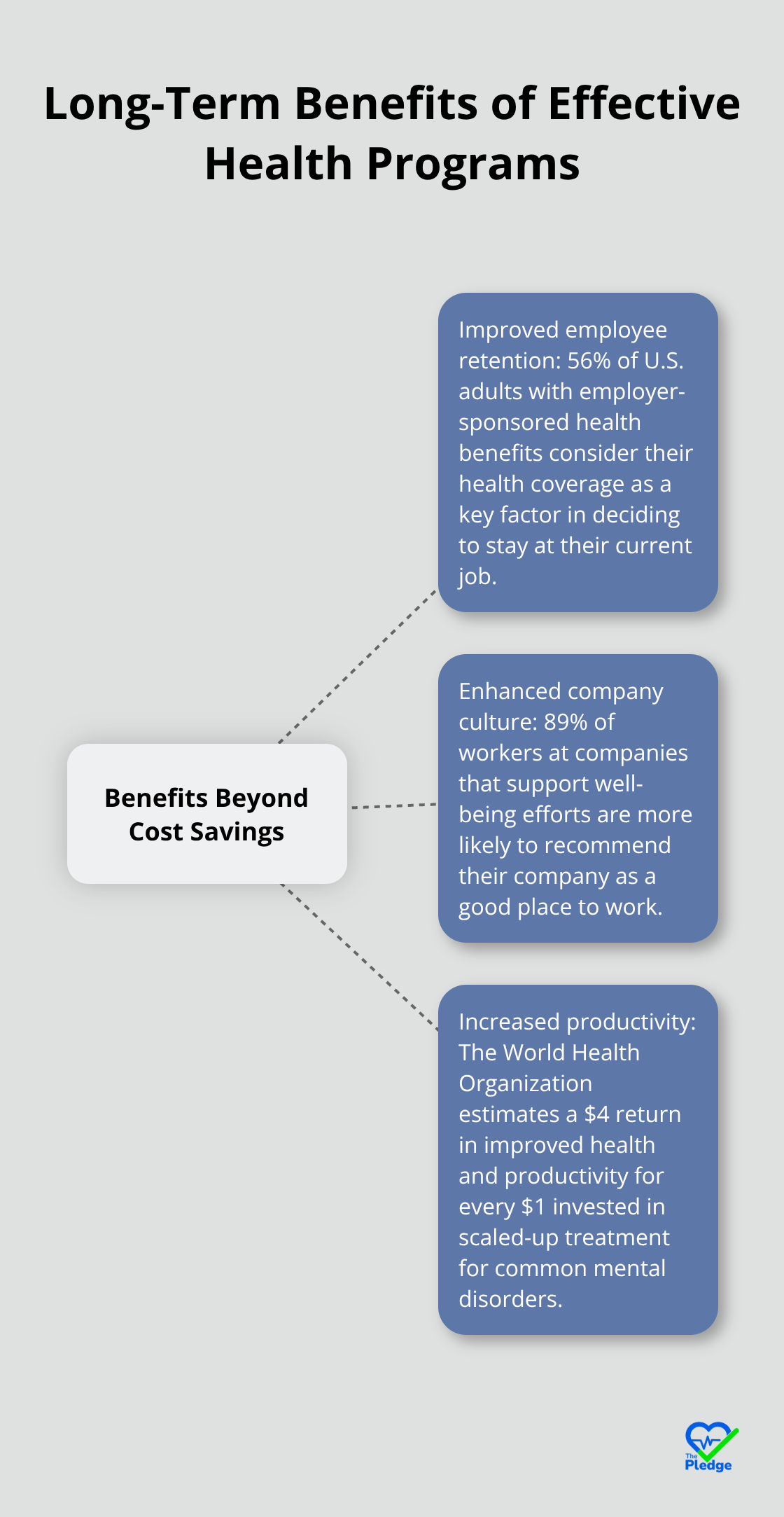
- Improved employee retention: A study by the Society for Human Resource Management found that 56% of U.S. adults with employer-sponsored health benefits consider their health coverage as a key factor in deciding to stay at their current job.
- Enhanced company culture: Wellness initiatives foster a positive work environment. The American Psychological Association reports that 89% of workers at companies that support well-being efforts are more likely to recommend their company as a good place to work.
- Increased productivity: The World Health Organization estimates a $4 return in improved health and productivity for every $1 invested in scaled-up treatment for common mental disorders.
Leveraging Data for Continuous Improvement
To maximize the impact of health programs, companies should:
- Choose the right metrics: Select KPIs that align with organizational goals and reflect meaningful health outcomes.
- Track progress consistently: Implement regular reporting and analysis to identify trends and areas for improvement.
- Adapt strategies based on data: Use insights gained from program metrics to refine and optimize health initiatives over time.
The Role of Technology in Measurement
Advanced health platforms (like The Pledge) offer robust analytics tools that simplify the process of tracking and analyzing health program data. These platforms can provide real-time insights, allowing companies to make data-driven decisions and demonstrate the ROI of their health initiatives to stakeholders.
Final Thoughts
Rising healthcare costs challenge businesses but also spur innovation in corporate health solutions. Companies now use AI-powered platforms and data-driven initiatives to address these issues effectively. These approaches not only cut costs but also improve employee satisfaction and productivity.
Measurement and adaptation prove essential for success in health management programs. Clear performance indicators allow companies to refine their initiatives and maximize value for both employees and the organization. The long-term benefits of these programs make them strategic investments rather than mere expenses.
The Pledge offers a comprehensive platform that simplifies health management and drives engagement. Companies that embrace innovative corporate health solutions position themselves for a healthier, more productive future (and a stronger bottom line). The time to act is now.