
5 Key Metrics Your Personal Health Dashboard Should Track
In today’s data-driven world, personal health dashboards have become invaluable tools for managing our well-being. These digital platforms offer a comprehensive view of our health, enabling us to make informed decisions and take proactive steps towards a healthier lifestyle. But with so much data available, which metrics should you focus on? Let’s explore the five key health indicators that your personal dashboard should track for optimal health management.
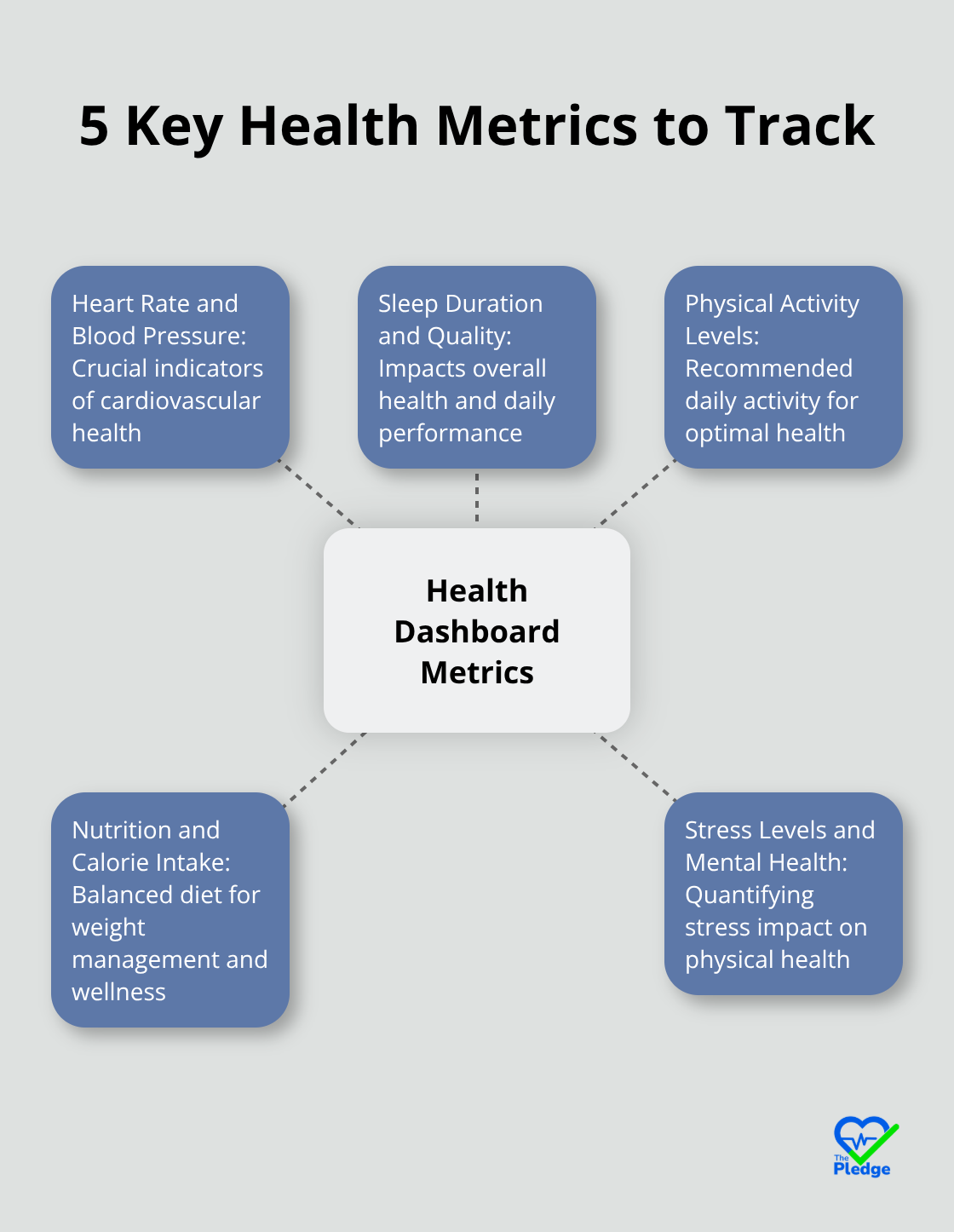
1. Heart Rate and Blood Pressure
Your heart health is crucial to your overall well-being, making heart rate and blood pressure essential metrics to monitor. These vital signs can provide early indications of cardiovascular issues and help prevent more serious conditions.
A normal resting heart rate for adults ranges from 60 to 100 beats per minute, while a healthy blood pressure is generally considered to be below 120/80 mmHg. Regular tracking of these metrics can help you and your healthcare provider identify trends and make necessary lifestyle adjustments or medical interventions.
2. Sleep Duration and Quality
The importance of good sleep cannot be overstated. It affects everything from cognitive function to emotional well-being and physical health. Your health dashboard should track both the duration and quality of your sleep.
While sleep needs vary, most adults require 7-9 hours of sleep per night. Quality of sleep can be measured by tracking sleep cycles, including the amount of deep sleep and REM sleep you get each night. Many modern wearables and sleep apps can provide this detailed data, offering insights into how to improve your sleep hygiene.
3. Physical Activity Levels
Regular physical activity is a cornerstone of good health. It can help control weight, reduce the risk of chronic diseases, and improve mental health. Your dashboard should track various aspects of your physical activity, including steps taken, calories burned, and time spent in different intensity zones.
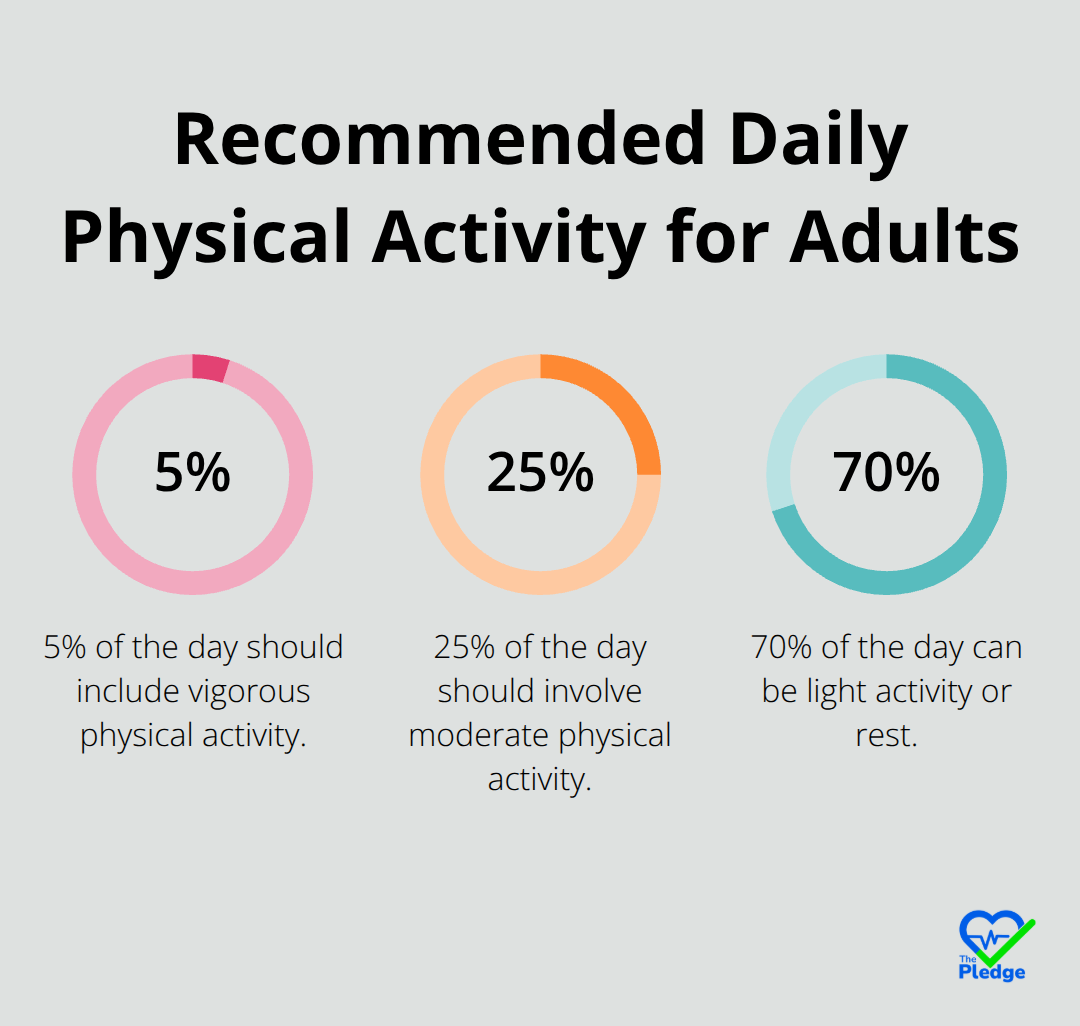
As shown in the chart above, a balanced approach to daily activity is key. Aim for at least 150 minutes of moderate-intensity or 75 minutes of vigorous-intensity aerobic activity per week, along with muscle-strengthening activities at least twice a week.
4. Nutrition and Calorie Intake
What you eat plays a significant role in your overall health. Tracking your nutrition and calorie intake can help you maintain a healthy weight, ensure you’re getting essential nutrients, and identify any dietary imbalances.
Your health dashboard should allow you to log your meals and snacks, providing a breakdown of macronutrients (carbohydrates, proteins, and fats) and key micronutrients. It should also track your total calorie intake, helping you maintain an appropriate energy balance for your goals, whether that’s weight loss, gain, or maintenance.
5. Stress Levels and Mental Health Indicators
Mental health is an integral part of overall well-being, yet it’s often overlooked in health tracking. Modern health dashboards are increasingly incorporating features to monitor stress levels and other mental health indicators.
This can include tracking your heart rate variability (HRV), which is a good indicator of stress levels, as well as self-reported mood data. Some advanced systems even analyze factors like your social media usage or typing patterns to infer stress levels and emotional states.
Benefits of Tracking These Metrics
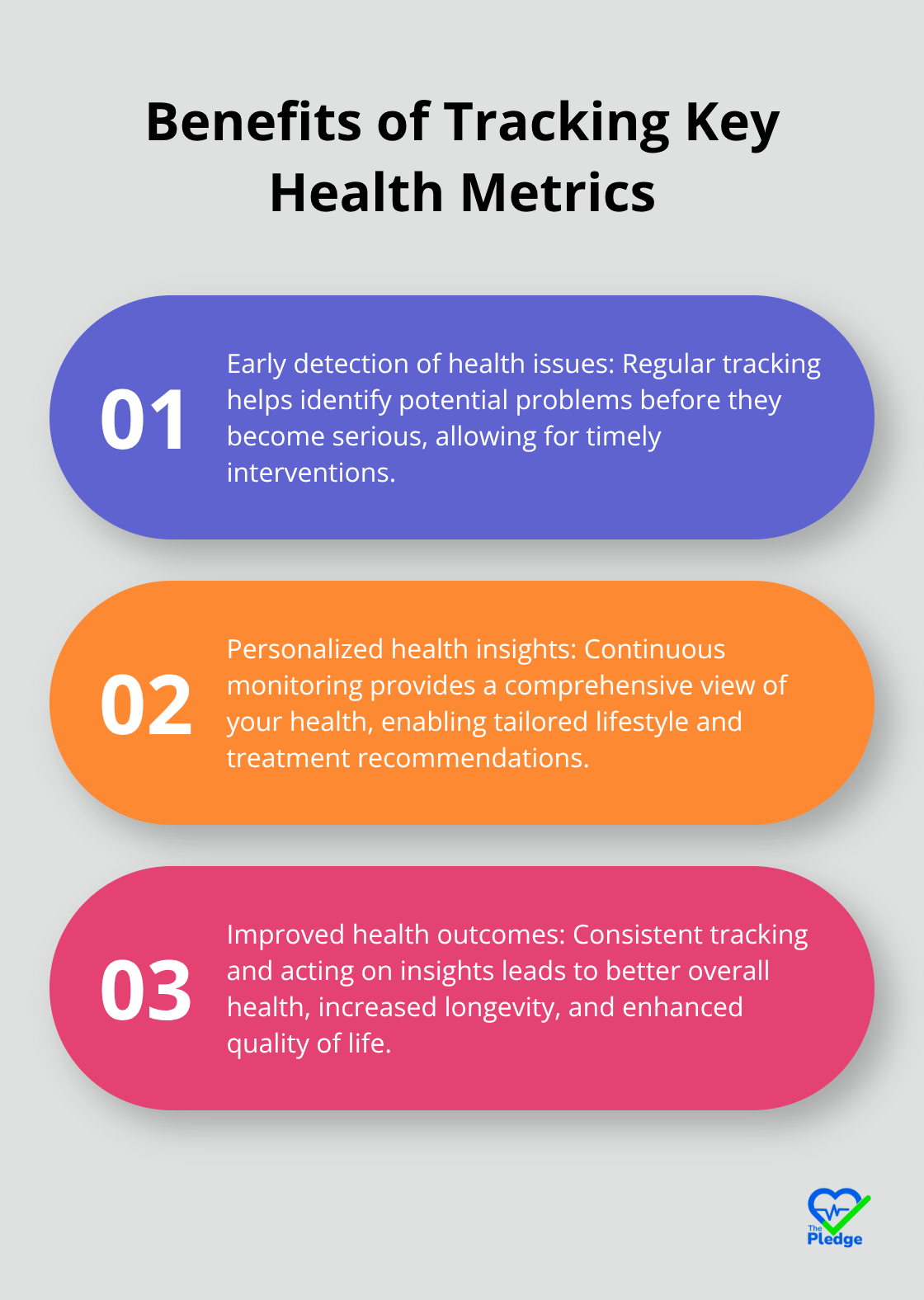
Consistently tracking these five key metrics offers numerous benefits:
- Early detection of health issues: Regular monitoring allows you to spot potential problems before they become serious. For instance, a gradual increase in blood pressure over time could alert you to developing hypertension, allowing for early intervention.
- Personalized health insights: By tracking multiple aspects of your health, you can gain a comprehensive understanding of how different factors interact. This can lead to personalized insights, such as how your sleep quality affects your stress levels or how your nutrition impacts your physical activity performance.
- Improved health outcomes: Armed with data and insights, you’re better equipped to make informed decisions about your health. This can lead to improved overall health, increased longevity, and a better quality of life.
Conclusion
A well-designed personal health dashboard that tracks heart rate and blood pressure, sleep patterns, physical activity, nutrition, and stress levels can be a powerful tool in your health management arsenal. By monitoring these five key metrics, you gain valuable insights into your overall health status and can make informed decisions to improve your well-being.
At The Pledge, we’re committed to helping you take control of your health journey. Our AI-powered platform integrates all these key metrics and more, providing you with a comprehensive view of your health and personalized recommendations for improvement. Start tracking your health metrics today and take the first step towards a healthier, more informed you.