
At The Pledge, we know that a healthy workforce is a productive workforce. That’s why we’re excited to share our insights on how to start a workplace wellness program.
A well-designed wellness initiative can boost employee health, reduce healthcare costs, and improve job satisfaction. In this post, we’ll guide you through the essential steps to create a successful program that benefits both your employees and your bottom line.
Why Workplace Wellness Programs Matter
At The Pledge, we understand the transformative power of well-designed wellness initiatives. These programs are not just trendy perks; they are strategic investments that yield substantial returns for both employees and organizations.
Improved Employee Health and Productivity
A robust wellness program can dramatically enhance employee health. The American Journal of Health Promotion reports that wellness program participants are 56% more likely to achieve high job performance scores. This translates to tangible productivity gains for your company.
Reduced Healthcare Costs
The financial benefits of wellness programs are impressive. According to the CDC, workplace health programs can lower health care costs, reduce absenteeism, boost productivity, aid in recruitment and retention, and improve organizational performance.
Enhanced Employee Satisfaction
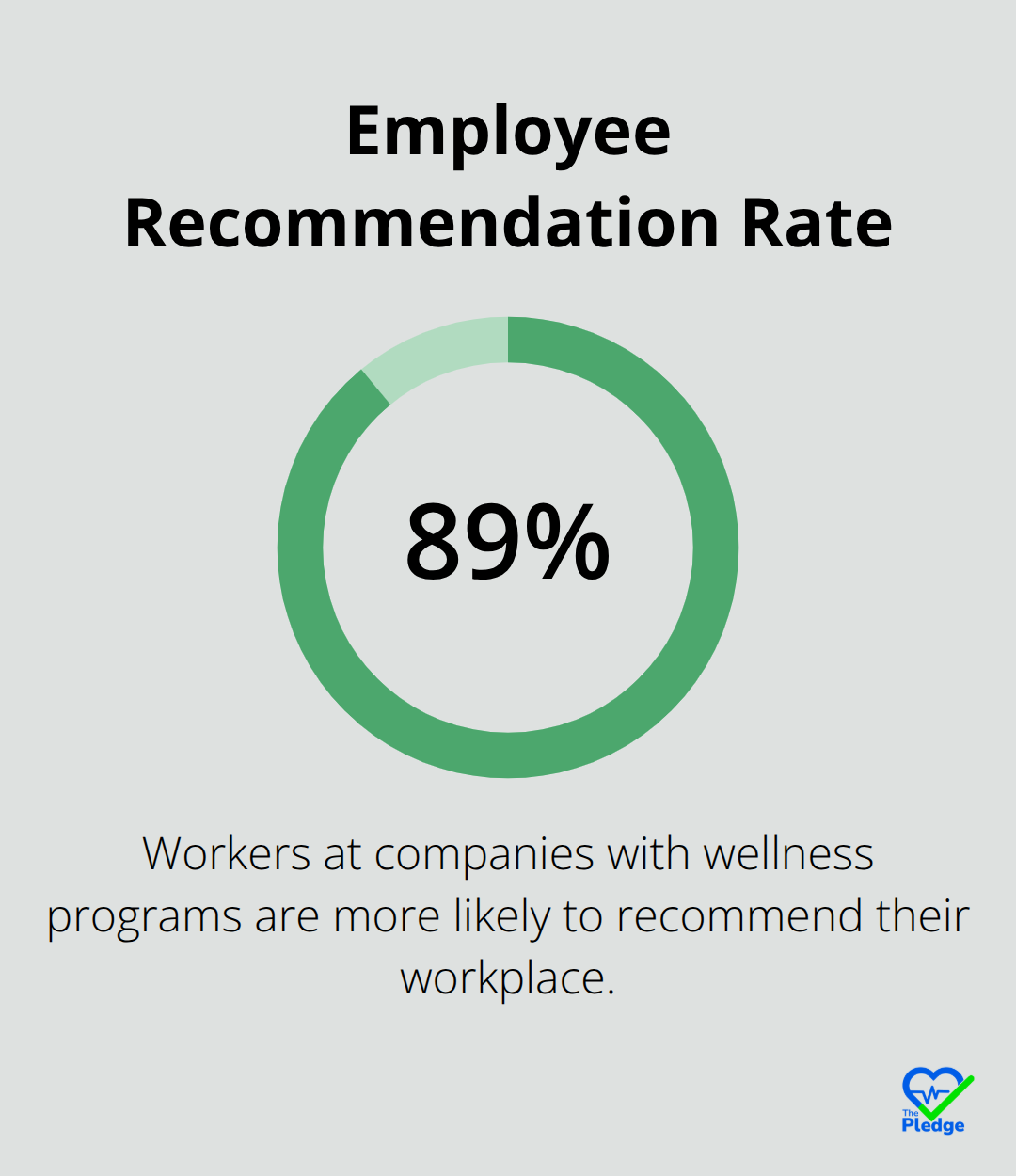
Happy employees fuel productivity. The American Psychological Association found that 89% of workers at companies with wellness programs are more likely to recommend their workplace. This boost in morale creates a positive ripple effect throughout the organization.
Improved Talent Attraction and Retention
In today’s competitive job market, wellness programs can set your company apart. An Aflac study conducted in January 2025 examined the impacts of time away/leave programs on employers and employees. This demonstrates the growing importance of comprehensive benefits packages in attracting and retaining talent.
Customized Approach for Maximum Impact
An effective wellness program isn’t one-size-fits-all. It should align with your employees’ needs and your company’s culture. The next section will explore the key components that form the foundation of a successful workplace wellness program (hint: it’s more than just gym memberships and fruit bowls).
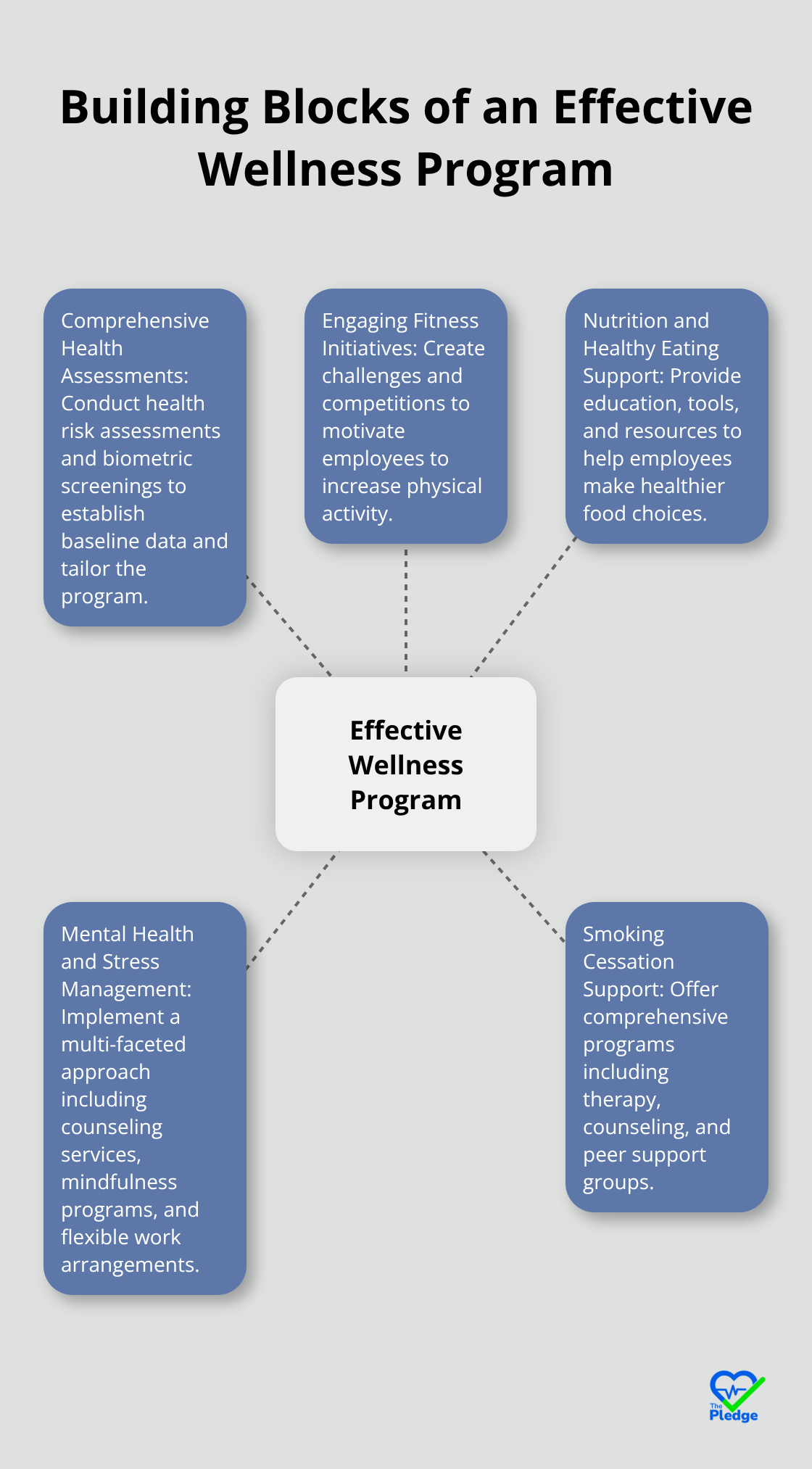
Building Blocks of an Effective Wellness Program
At The Pledge, we’ve witnessed the transformative power of well-structured wellness programs in workplace health. Let’s explore the essential components that form the backbone of a successful initiative.
Comprehensive Health Assessments
A thorough understanding of your workforce’s health status serves as the foundation. Health risk assessments (HRAs) and biometric screenings provide valuable baseline data. Comprehensive Health Assessments have shown significant reductions in health risks, with one study reporting improvements in 10 measured health risks (9 at P ≤ 0.01 and 1 at P ≤ 0.05).
Implement confidential HRAs that cover lifestyle habits, family history, and current health concerns. Combine these with on-site biometric screenings for metrics like blood pressure, cholesterol, and BMI. This data helps tailor your program and measure progress over time.
Engaging Fitness Initiatives
Physical activity stands as a cornerstone of wellness. Create challenges that spark friendly competition and motivate employees to increase their movement.
Consider step challenges using wearable devices, team-based competitions, or partnerships with local gyms. Incentivize participation with rewards like extra PTO, gift cards, or contributions to health savings accounts. The goal? Make fitness fun and accessible for all fitness levels.
Nutrition and Healthy Eating Support
Diet plays a pivotal role in overall health. Educate employees about nutrition and provide tools to make healthier choices.
Offer cooking demonstrations, bring in nutritionists for consultations, and ensure healthy options in vending machines and cafeterias. Try subsidizing meal planning services or providing healthy snacks in the office. These small changes can significantly impact eating habits.
Mental Health and Stress Management
In today’s fast-paced work environment, mental health support is essential. Depression and anxiety cost the global economy an estimated US$ 1 trillion each year in lost productivity.
Implement a multi-faceted approach to mental wellness:
- Provide access to counseling services through an Employee Assistance Program (EAP)
- Offer mindfulness and meditation apps or on-site classes
- Allow flexible work arrangements to promote work-life balance
- Train managers to recognize and support mental health issues
Smoking Cessation Support
While smoking rates have declined, it remains a significant health issue.
Offer comprehensive smoking cessation programs that include nicotine replacement therapy, counseling, and peer support groups. Consider covering the full cost of these programs as an investment in long-term health outcomes.
With these building blocks in place, your wellness program will have a solid foundation. However, a great program on paper doesn’t guarantee success. The next crucial step involves effective implementation and employee engagement strategies to bring your wellness vision to life.
How to Launch Your Wellness Program
Secure Leadership Buy-In
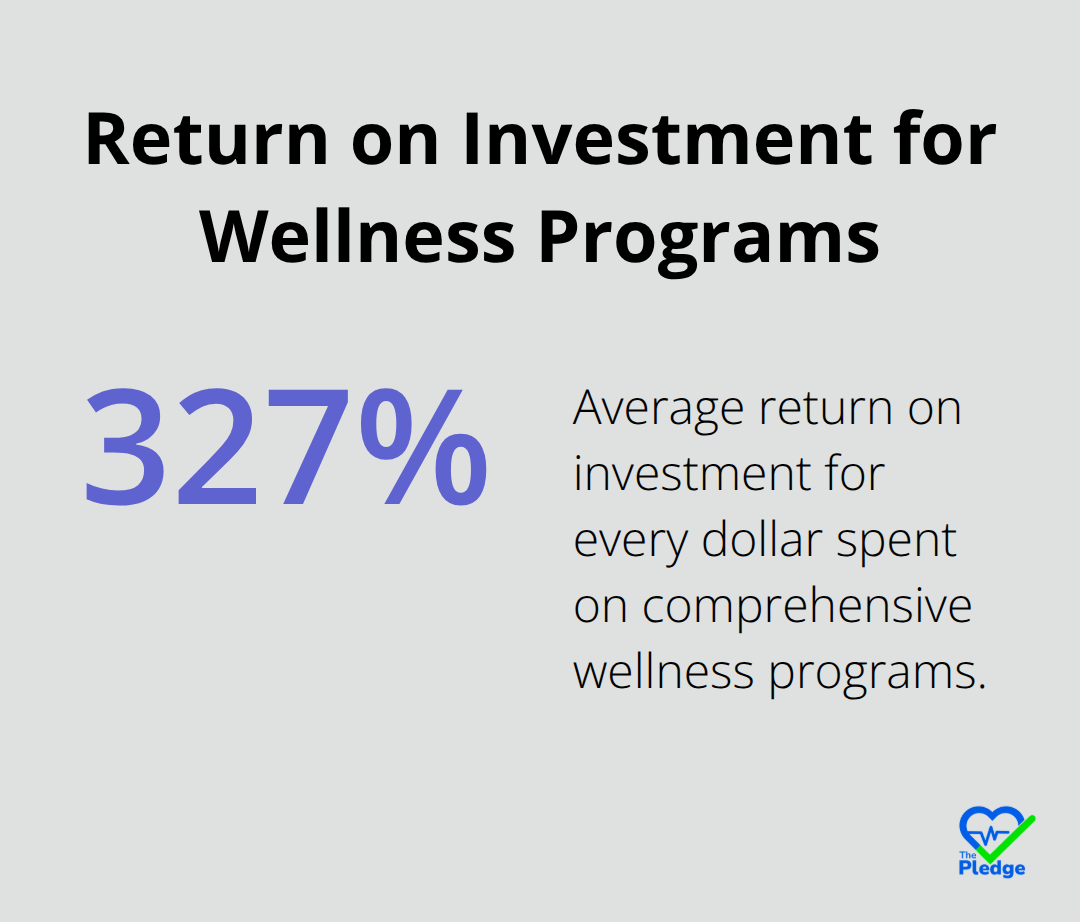
Present a compelling business case to your leadership team. Focus on tangible benefits: reduced healthcare costs, increased productivity, and improved employee retention. A study by the American Journal of Health Promotion shows companies with comprehensive wellness programs see an average of $3.27 return for every dollar spent on wellness.
Form a Diverse Wellness Committee
Assemble a team that represents various departments and demographics within your organization. This diversity ensures your program addresses the needs of all employees. Try to include 5-7 members who are passionate about health and can dedicate time to program planning and execution.
Conduct a Thorough Needs Assessment
Survey your employees to understand their health priorities and interests before launching any initiatives. Best practices for effective employee well-being surveys include:
- Including closed & open-ended questions
- Keeping it short
- Incentivizing participation
- Making it anonymous
This data will guide your program design and increase engagement.
Analyze your company’s health insurance claims data (while maintaining privacy). This information can reveal trends in health issues affecting your workforce, allowing you to tailor your program accordingly.
Set SMART Goals and Track Metrics
Establish Specific, Measurable, Achievable, Relevant, and Time-bound (SMART) goals for your wellness program. For example, “Increase employee participation in physical activity programs by 25% within six months.”
Choose metrics that align with these goals. These might include:
- Participation rates in wellness activities
- Changes in biometric screening results
- Reduction in health insurance claims
- Improvements in employee satisfaction scores
Create a Multi-Channel Communication Strategy
Develop a strategy that uses various channels to reach all employees:
- Email newsletters with wellness tips and program updates
- Posters and digital signage in common areas
- Dedicated wellness section on your company intranet
- Regular announcements during team meetings
Personalize communications when possible (e.g., send targeted reminders about relevant wellness activities based on an employee’s health assessment results).
Start with Pilot Programs
Begin with small-scale initiatives to test what works for your organization. This approach allows you to gather feedback and make adjustments before a full-scale launch. Some effective pilot programs include:
- A 30-day step challenge using fitness trackers
- Lunchtime meditation sessions
- Healthy cooking demonstrations
Run these pilots for 4-6 weeks, then survey participants to gauge satisfaction and impact. Continuous measurement and improvement prove crucial for long-term success.
Final Thoughts
Workplace wellness programs represent a strategic investment in your organization’s future. These programs improve productivity, reduce healthcare costs, and increase employee satisfaction. To start a workplace wellness program, you must plan carefully and execute effectively. Secure leadership support, form a diverse committee, and conduct thorough needs assessments to understand your employees’ health priorities.
A well-designed wellness program encompasses physical health, mental well-being, stress management, and work-life balance. This holistic approach creates a culture of health that permeates your entire organization. You should set clear, measurable goals and track relevant metrics to gauge your program’s success. Develop a comprehensive communication strategy and start with pilot programs to test and refine your initiatives before scaling up.
The Pledge offers a digital health platform that can transform your healthcare experience. It simplifies care navigation and promotes preventative care (centralizing health data and providing personalized reminders). The Pledge can help you achieve high engagement rates and drive better health outcomes for your employees. Your employees’ well-being directly impacts your organization’s success, so take action today to create a healthier, more productive workforce.