
At The Pledge, we understand the importance of preventive care for employees. It’s not just about avoiding illness; it’s about fostering a healthier, more productive workforce.
Preventive care can significantly reduce healthcare costs and boost overall well-being. In this post, we’ll explore why it’s crucial for both employees and employers to prioritize preventive health measures in the workplace.
How Does Preventive Care Impact Employee Health?
Defining Preventive Care
Preventive care forms the foundation of effective employee health management. It involves proactive measures to maintain good health and identify potential issues early. At The Pledge, we witness the transformative power of preventive care on employee well-being and workplace productivity.
Preventive care encompasses a range of health services designed to detect and prevent illnesses before they become serious. These services include regular check-ups, screenings, and immunizations. For employees, this means prioritizing their health through routine doctor visits, cancer screenings, and vaccinations.
Essential Preventive Services for Employees
The most important preventive services for employees include:
- Annual physical exams
- Blood pressure and cholesterol screenings
- Diabetes screenings
- Mammograms and colonoscopies
- Flu shots and other vaccinations
- Mental health screenings
These services help identify potential health issues early when they’re most treatable. They also provide opportunities for health education and lifestyle counseling.
The Statistical Impact of Preventive Care
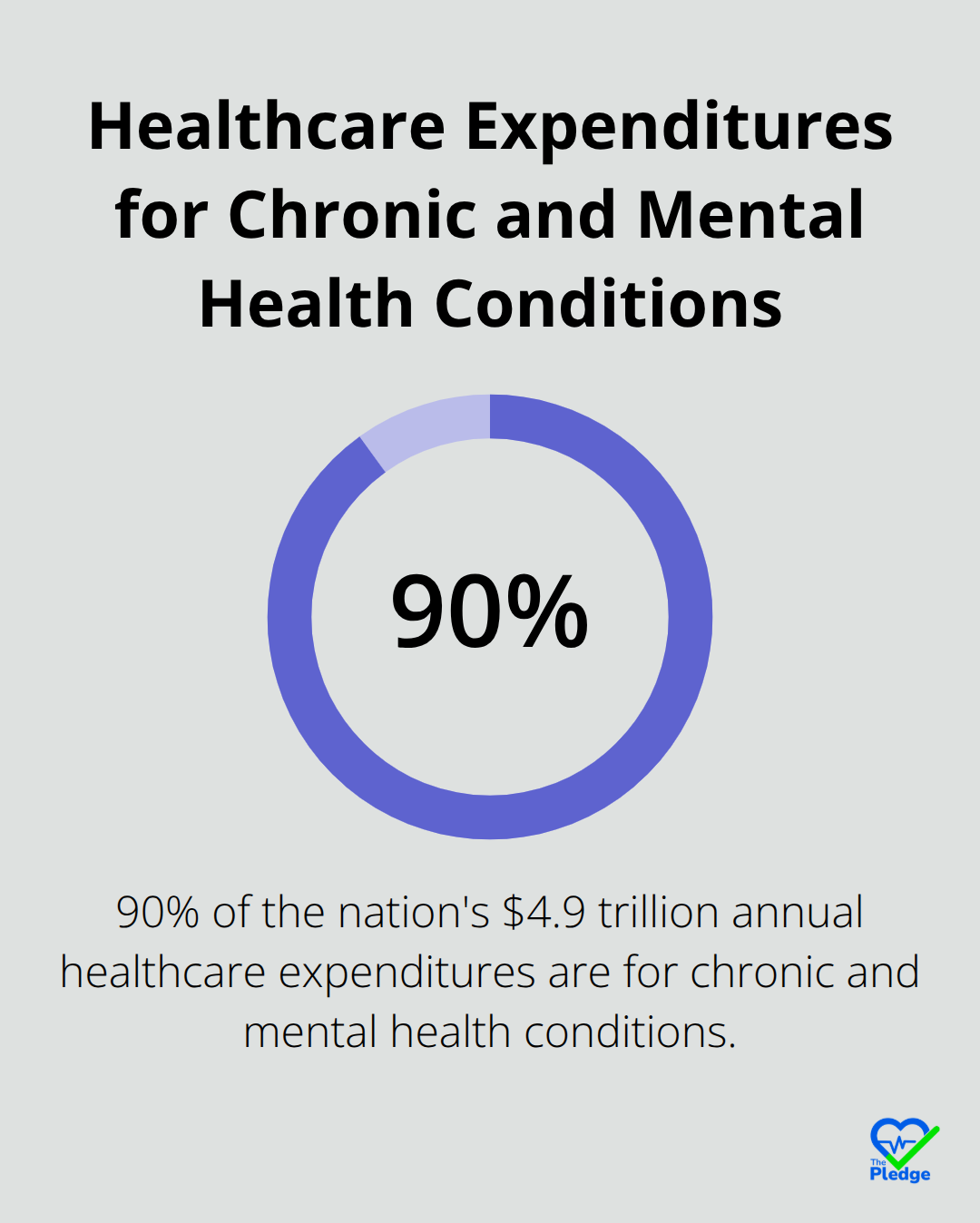
The impact of preventive care on employee health is substantial. According to the Centers for Disease Control and Prevention, 90% of the nation’s $4.9 trillion in annual health care expenditures are for people with chronic and mental health conditions. More importantly, they cause seven out of ten deaths in the U.S.
A study by the American Journal of Preventive Medicine found that increasing the use of just five preventive services would save more than 100,000 lives annually in the U.S. These services include daily aspirin use, smoking cessation support, alcohol abuse screening, colorectal cancer screening, and influenza vaccination.
Workplace Benefits of Preventive Care
In the workplace, preventive care translates to healthier, more productive employees. The efficacy of worksite health and wellness programs has been demonstrated in current research.
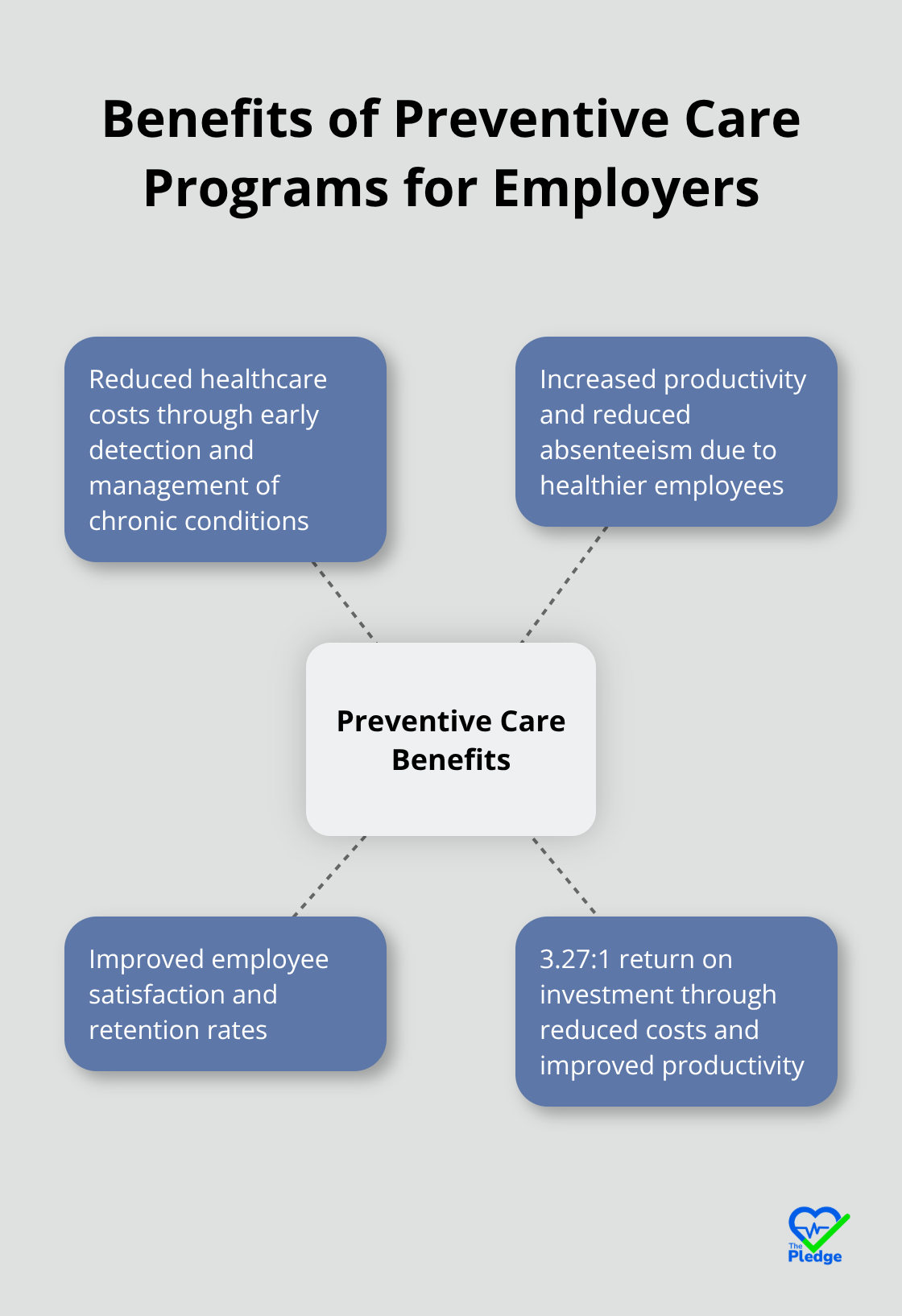
Companies implementing comprehensive preventive care programs see a 3.27:1 return on investment through reduced healthcare costs and improved productivity (as reported by industry studies). This demonstrates the powerful impact preventive care can have on both employee health and company bottom lines.
Beyond Illness Prevention
Preventive care isn’t just about avoiding illness-it promotes overall well-being. By prioritizing preventive services, employees can take control of their health, leading to improved quality of life both in and out of the workplace. For employers, this means a healthier, more engaged workforce and significant cost savings in the long run.
The next chapter will explore how employers can benefit from implementing robust preventive care programs, including reduced healthcare costs and increased productivity.
How Employers Benefit from Preventive Care
At The Pledge, we’ve observed the transformative power of preventive care programs in workplaces. Employers who invest in these initiatives reap substantial rewards, from financial savings to a more engaged workforce.
Reducing Healthcare Costs
Preventive care serves as a powerful tool for cutting healthcare expenses. A study evaluated the impact of personalized preventive medicine programs on health care utilization and expenditure trends over time. This suggests that employers who offer comprehensive health plans can potentially see significant savings through preventive care initiatives.
For example, a large manufacturing company implemented a preventive care program and saw a reduction in healthcare costs over three years. They focused on regular health screenings and wellness education, which led to early detection and management of chronic conditions among employees.
Increasing Productivity and Attendance
Healthier employees are more productive and take fewer sick days. Preventive care programs can potentially reduce absenteeism costs for employers.
A tech startup saw a decrease in absenteeism after implementing a comprehensive preventive care program. They introduced on-site health screenings and flu shots, which not only improved employee health but also saved time that would have been spent on doctor’s visits.
Improving Employee Satisfaction and Retention
Employees value employers who invest in their health and well-being. Companies offering robust preventive care benefits may experience higher retention rates. A systematic review aimed to identify and analyze existing interventions for job retention of healthcare workers, specifically nurses and physicians. While this study focused on healthcare workers, it highlights the importance of retention strategies, which can include preventive care benefits.
For instance, a retail chain reduced turnover after introducing a preventive care program that included mental health screenings and stress management workshops.
Maximizing Benefits through Strategic Implementation
To maximize these benefits, employers should consider the following strategies:
- Offer comprehensive health screenings as part of their benefits package
- Provide incentives for participating in preventive care activities
- Create a culture that prioritizes health and wellness
- Use technology to make preventive care more accessible and engaging
These strategies can help employers create a healthier, more productive workforce while potentially reducing healthcare costs.
The next section will explore practical ways to implement effective preventive care programs in the workplace, building on the benefits we’ve discussed here.
How to Build an Effective Preventive Care Program
Tailor Health Screenings to Your Workforce
Offer hyper-targeted programs that address the specific needs of your employee population. These programs are emerging as an effective way to help employers improve employee outcomes and productivity, control costs, and promote well-being.
A manufacturing company implemented targeted screenings based on job roles. They offered hearing tests for employees working in noisy environments and ergonomic assessments for office workers. This approach led to a 15% reduction in work-related injuries within the first year.
Create Engaging Wellness Initiatives
Make health initiatives fun and accessible. Organize team challenges, bring in health experts for lunch-and-learns, or offer on-site fitness classes. A tech startup introduced a “Wellness Wednesday” program with rotating activities like yoga, nutrition workshops, and stress management sessions. They saw a 30% increase in employee participation in health initiatives and a 20% decrease in stress-related sick days.
Use Technology for Better Health Management
Technology is a game-changer for preventive care. Use health apps and wearables to help employees track their fitness goals, sleep patterns, and stress levels. Implement telemedicine options for easier access to healthcare providers.
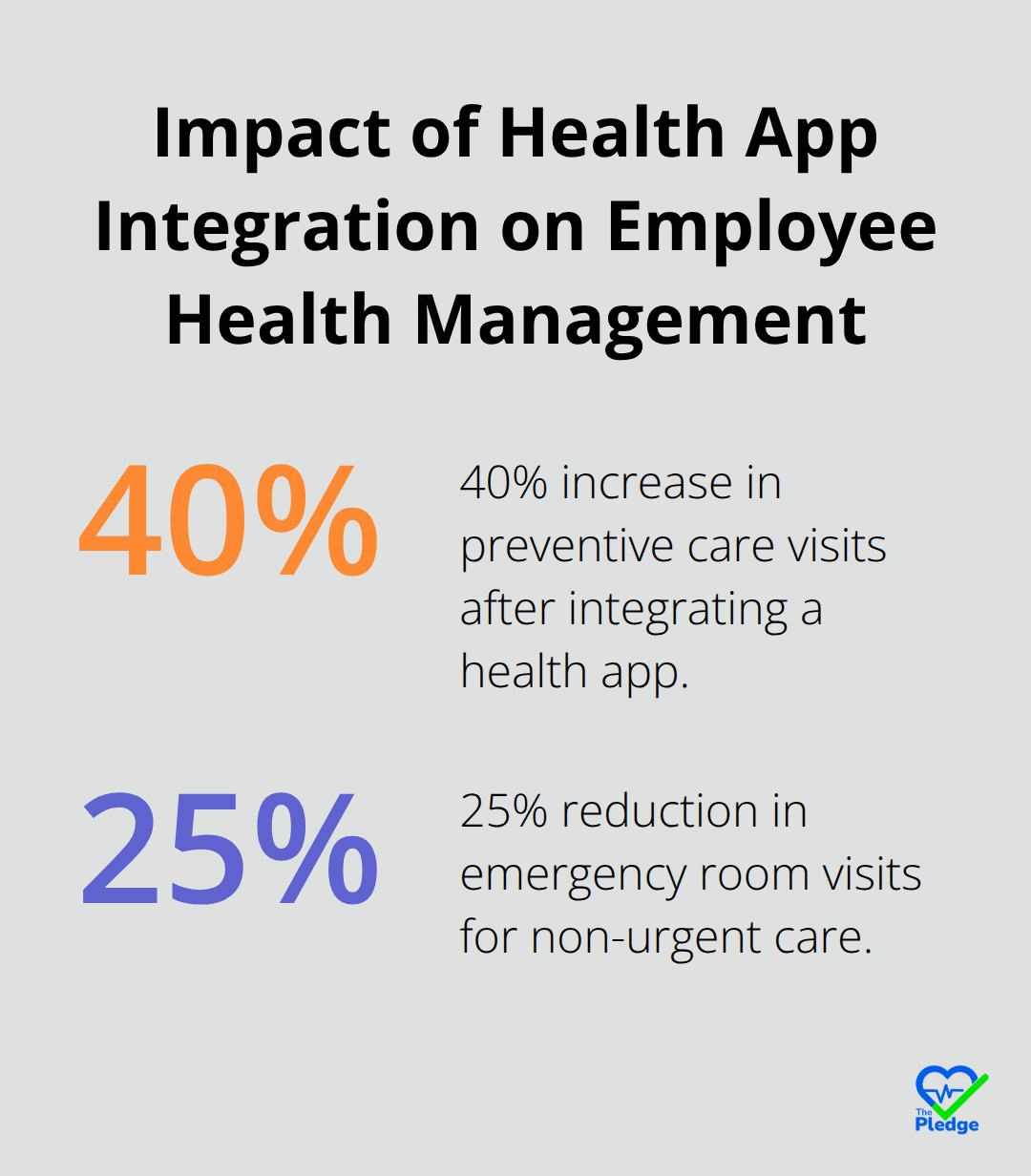
A large retail chain integrated a health app with their existing benefits platform. Employees could easily schedule preventive care appointments, track their health metrics, and receive personalized health tips. This led to a 40% increase in preventive care visits and a 25% reduction in emergency room visits for non-urgent care.
Incentivize Participation
Consider offering incentives for participating in preventive care activities. This could include reduced health insurance premiums, extra paid time off, or contributions to health savings accounts.
A financial services firm implemented a points-based system where employees earned rewards for completing health screenings, attending wellness workshops, and meeting fitness goals. They saw a 70% increase in preventive care participation.
Educate and Communicate Consistently
Regular communication about the importance and availability of preventive care services is important. Use multiple channels – email, intranet, posters, and team meetings – to keep preventive care top of mind.
A healthcare company created a monthly “Health Matters” newsletter featuring preventive care tips, success stories from employees, and upcoming wellness events. This consistent communication led to a 50% increase in flu shot uptake and a 35% increase in annual physical exams among employees.
Final Thoughts
Preventive care forms the foundation of a healthier, more productive workforce. It catches potential health issues early, helps employees avoid serious illnesses, and improves their quality of life. For employers, this translates into reduced healthcare costs, increased productivity, and improved employee satisfaction and retention.
The importance of preventive care extends beyond individual health benefits. Companies that invest in comprehensive preventive care programs often see a positive return on investment through lower healthcare expenses and reduced absenteeism. These programs also foster a culture of health and well-being that can attract and retain top talent in today’s competitive job market.
We at The Pledge commit to make preventive care accessible and engaging for employees and employers. Our AI-powered health platform simplifies care navigation, promotes preventative care models, and helps improve overall health outcomes while lowering costs (where possible). The time to prioritize preventive care in the workplace is now.