
Workplace wellness programs have become a cornerstone of modern corporate culture. At The Pledge, we’ve seen firsthand how these initiatives can transform employee health and productivity.
This post explores successful workplace wellness programs examples, highlighting the strategies that make them effective. We’ll dive into case studies, measurement techniques, and future trends to help you create a thriving wellness culture in your organization.
What Makes Workplace Wellness Programs Successful?
At The Pledge, we’ve identified key elements that contribute to the success of workplace wellness programs. These components work together to create a holistic approach that engages employees and delivers measurable results.
Health Assessments: The Foundation of Personalized Wellness
Comprehensive health assessments form the cornerstone of effective wellness programs. These assessments provide a baseline for employee health, allowing for targeted interventions and personalized goal setting.
To maximize the impact of health assessments, we recommend:
- Offering both online and in-person assessment options
- Including biometric screenings for key health indicators
- Providing immediate feedback and actionable recommendations
Goal Setting: Empowering Employees to Take Charge
Personalized goal setting maintains employee motivation and drives long-term behavior change.
Effective goal-setting strategies include:
- Using SMART (Specific, Measurable, Achievable, Relevant, Time-bound) criteria
- Incorporating both short-term and long-term objectives
- Reviewing and adjusting goals based on progress
Incentives: Boosting Participation and Engagement
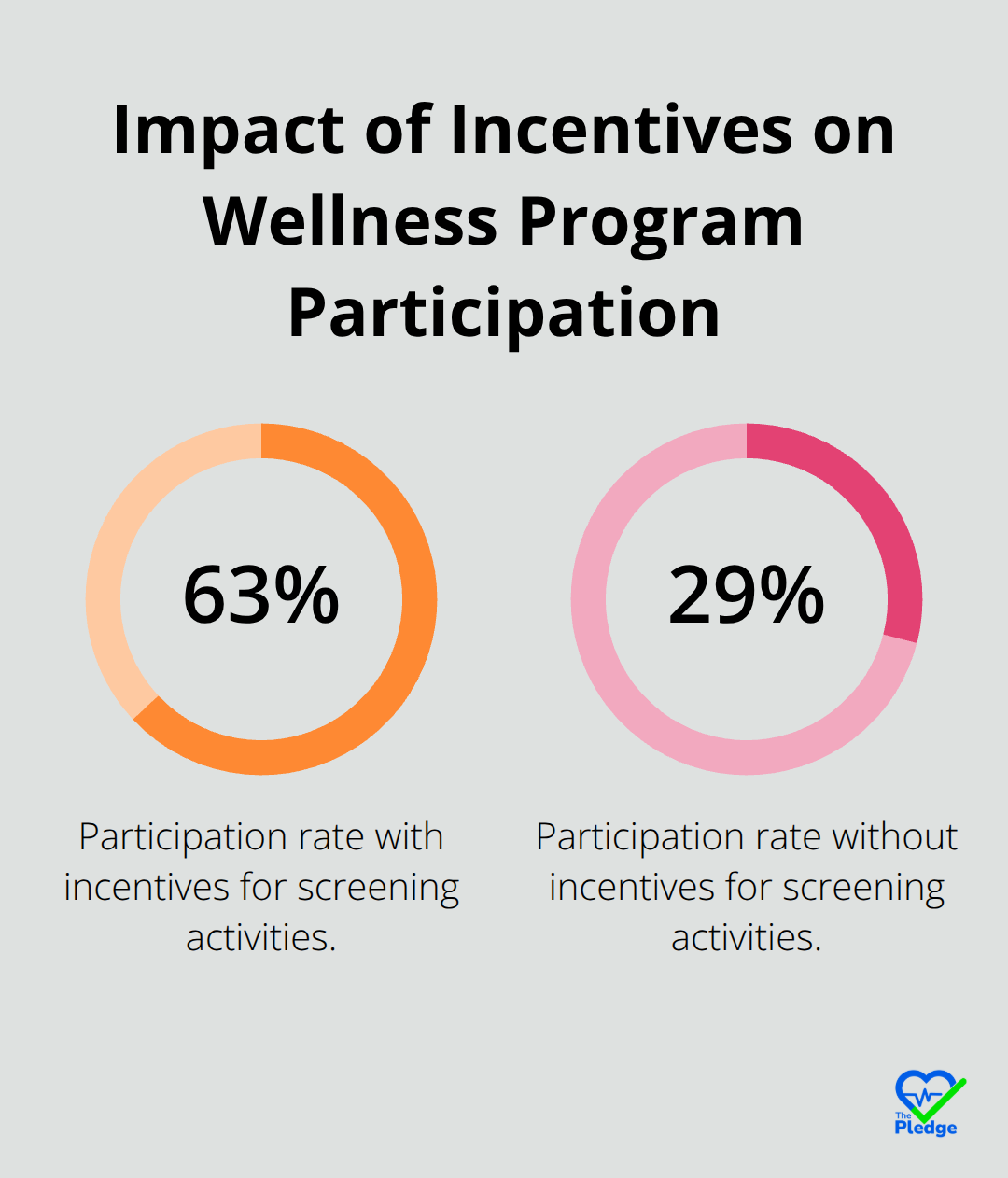
Well-designed incentive structures can significantly boost program participation and engagement. Employers who use incentives for screening activities report significantly higher participation rates than those who do not (63 percent versus 29 percent).
Successful incentive strategies we’ve observed include:
- Offering a mix of financial and non-financial rewards
- Tiering incentives based on level of participation or achievement
- Gamifying wellness activities to create friendly competition
Continuous Evaluation: Ensuring Program Effectiveness
Regular program evaluation identifies areas of improvement and demonstrates ROI.
Key aspects of effective program evaluation include:
- Tracking participation rates and engagement levels
- Measuring changes in health outcomes and healthcare costs
- Gathering employee feedback through surveys and focus groups
These elements create a culture of health that benefits both employees and the organization. The most successful programs evolve based on employee needs and organizational goals. Now, let’s explore real-world examples of effective workplace wellness programs in action.
Real-World Success Stories in Workplace Wellness
At The Pledge, we’ve observed numerous companies implement successful wellness programs. Let’s explore three standout examples that showcase different approaches to employee well-being.
Google’s “Optimize Your Life” Program
Google’s wellness initiative transcends traditional offerings. Their “Optimize Your Life” program adopts a holistic approach, addressing physical, mental, and financial well-being.
Key components include:
- On-site fitness centers and classes
- Mindfulness and meditation sessions
- Financial planning workshops
Google stands out with their data-driven approach. They utilize analytics to track program effectiveness and employee engagement. This allows them to refine their offerings based on real-time feedback and participation rates.
One notable success: Google’s sleep pod initiative. By providing nap rooms, they’ve observed a 35% increase in reported energy levels among employees who use them regularly.
Johnson & Johnson’s “Culture of Health”
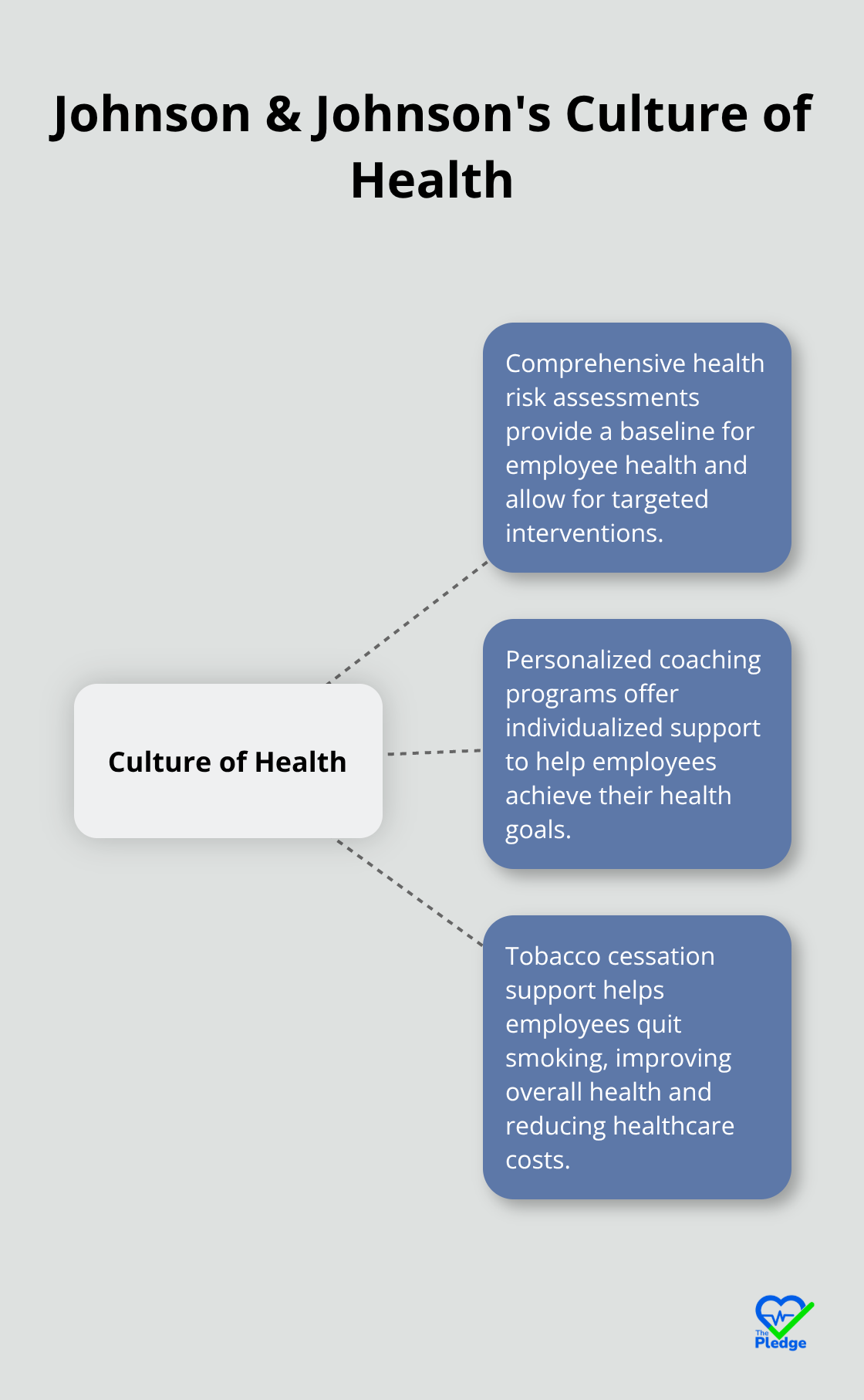
Johnson & Johnson’s wellness program dates back to 1978, making it one of the longest-running corporate wellness initiatives. Their “Culture of Health” focuses on creating a work environment that supports healthy choices.
Standout features include:
- Comprehensive health risk assessments
- Personalized coaching programs
- Tobacco cessation support
J&J’s leaders estimate that wellness programs have cumulatively saved the company $250 million on health care costs over the past decade. Moreover, their employees show significantly lower rates of obesity, high blood pressure, and physical inactivity compared to national averages.
Zappos’ Holistic Wellness Approach
Zappos, known for its unique company culture, takes an unconventional approach to employee wellness. Their program focuses on creating a fun, engaging environment that naturally promotes well-being.
Key elements include:
- Wellness adventures (team outings focused on physical activity)
- On-site fitness challenges
- Healthy food options in the workplace
Zappos’ approach has led to high employee satisfaction rates and lower turnover. They’ve reported a 14% decrease in absenteeism since implementing their wellness initiatives.
The Role of Technology in Wellness Programs
Modern wellness programs increasingly leverage technology to enhance engagement and effectiveness. Companies use mobile apps, wearable devices, and AI-powered platforms (like The Pledge) to personalize wellness experiences and track progress in real-time.
Key technological advancements include:
- AI-driven health recommendations
- Virtual reality fitness classes
- Gamification of wellness activities
These case studies highlight the importance of tailoring wellness programs to a company’s unique culture and employee needs. The most successful wellness programs evolve over time, with regular evaluation and adjustment based on employee feedback and participation rates.
As we move forward, let’s examine how organizations measure the impact of these wellness initiatives and quantify their success.
How We Measure Wellness Program Success
At The Pledge, we know that measuring the impact of workplace wellness programs is essential for justifying investments and refining strategies. Let’s explore practical ways to quantify the success of these initiatives.
Key Performance Indicators (KPIs)
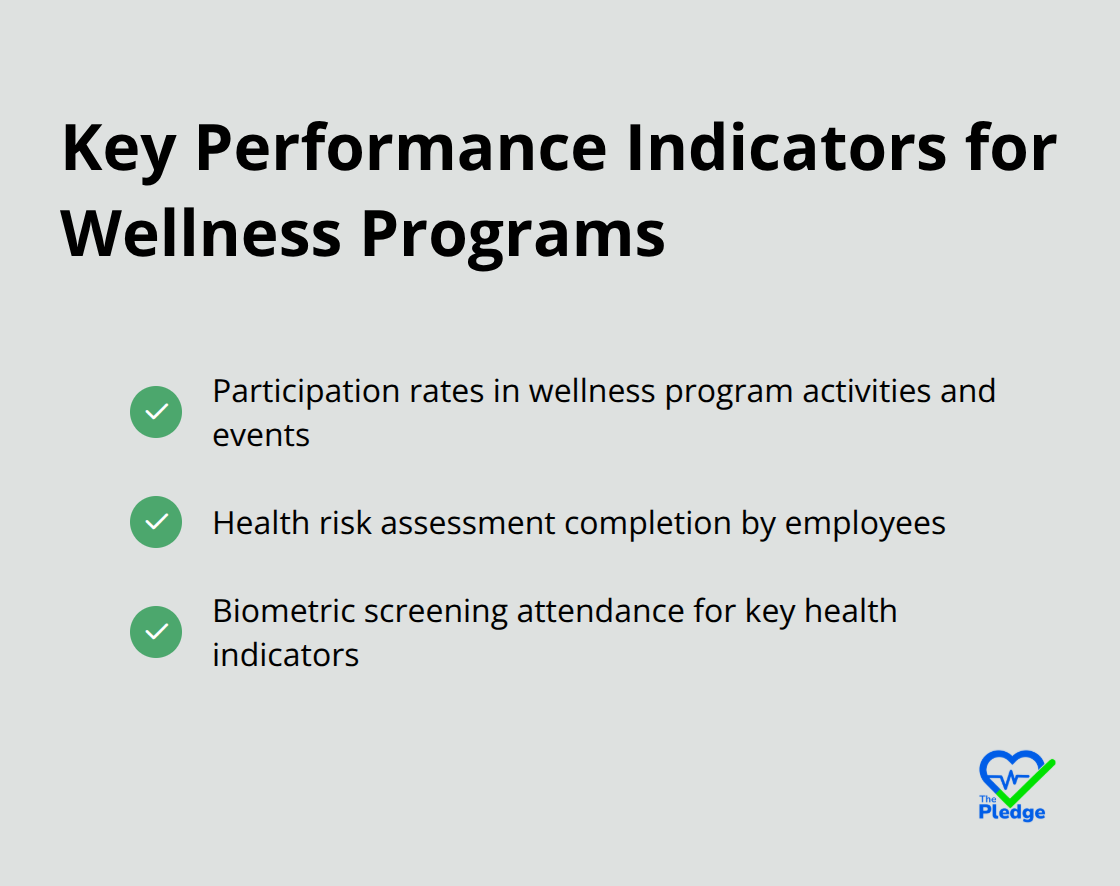
To effectively measure wellness program success, we focus on specific KPIs. These include:
- Participation rates
- Health risk assessment completion
- Biometric screening attendance
According to a new research report from Workhuman and Gallup, employee wellness had a hand in reduced levels of burnout, better social wellbeing, and higher levels of engagement.
We also track behavior change metrics. This might include the number of employees who quit smoking, increased their daily step count, or improved their nutrition habits.
Return on Investment (ROI) Calculation
ROI calculation demonstrates the financial impact of wellness programs. The challenge of measuring ROI for employee wellness programs underscores the need for a comprehensive approach to evaluate the success of these initiatives.
Benefits typically include reduced healthcare costs, decreased absenteeism, and improved productivity. Costs encompass program implementation, incentives, and administrative expenses.
Employee Satisfaction and Engagement
Employee satisfaction directly correlates with wellness program success. We recommend regular surveys to gauge satisfaction levels and gather feedback. Questions might cover program accessibility, variety of offerings, and perceived impact on overall well-being.
Engagement metrics are equally important. These include app usage rates, attendance at wellness events, and participation in challenges.
Health Outcome Improvements
The goal of any wellness program is to improve employee health. We track changes in key health indicators such as BMI, blood pressure, and cholesterol levels.
Mental health improvements are also important. We measure changes in stress levels, job satisfaction, and work-life balance.
Consistent measurement and analysis will help you refine your wellness strategy and maximize its benefits for both employees and the company.
Final Thoughts
Successful workplace wellness programs examples demonstrate the significant impact these initiatives have on employee health and organizational success. Companies like Google, Johnson & Johnson, and Zappos have shown that investing in employee well-being leads to reduced healthcare costs, increased productivity, and improved satisfaction. These programs incorporate comprehensive health assessments, personalized goal setting, well-designed incentives, and regular evaluations to maximize their effectiveness.
The future of workplace wellness programs will rely heavily on technology integration. AI-powered platforms will revolutionize health management by offering personalized experiences and real-time tracking. The Pledge stands at the forefront of this digital transformation, making it easier for employees to engage with their wellness journey.
Organizations that prioritize employee well-being through comprehensive and engaging wellness programs create healthier, happier, and more productive workplaces. The most successful programs will adapt to changing employee needs, leverage new technologies, and foster a culture of health that extends beyond the workplace. Companies looking to enhance their own wellness initiatives can draw inspiration from these examples to reap the benefits of a thriving, health-conscious workforce.
![Navigating Your Provider Network for Maximum Savings [Guide]](https://thepledge.app/wp-content/uploads/emplibot/Navigating-Your-Provider-Network-for-Maximum-Savings-_Guide__1781489382-300x168.jpeg)