
At The Pledge, we’ve seen firsthand how workforce health engagement can transform organizations. It’s not just about reducing sick days; it’s about creating a thriving, energized team that drives your business forward.
In this post, we’ll explore cutting-edge strategies and technologies that are reshaping employee wellness programs. From gamification to AI-driven health recommendations, we’ll show you how to revolutionize your team’s health and productivity.
Why Employee Health Engagement Matters
Boosting Productivity to New Heights
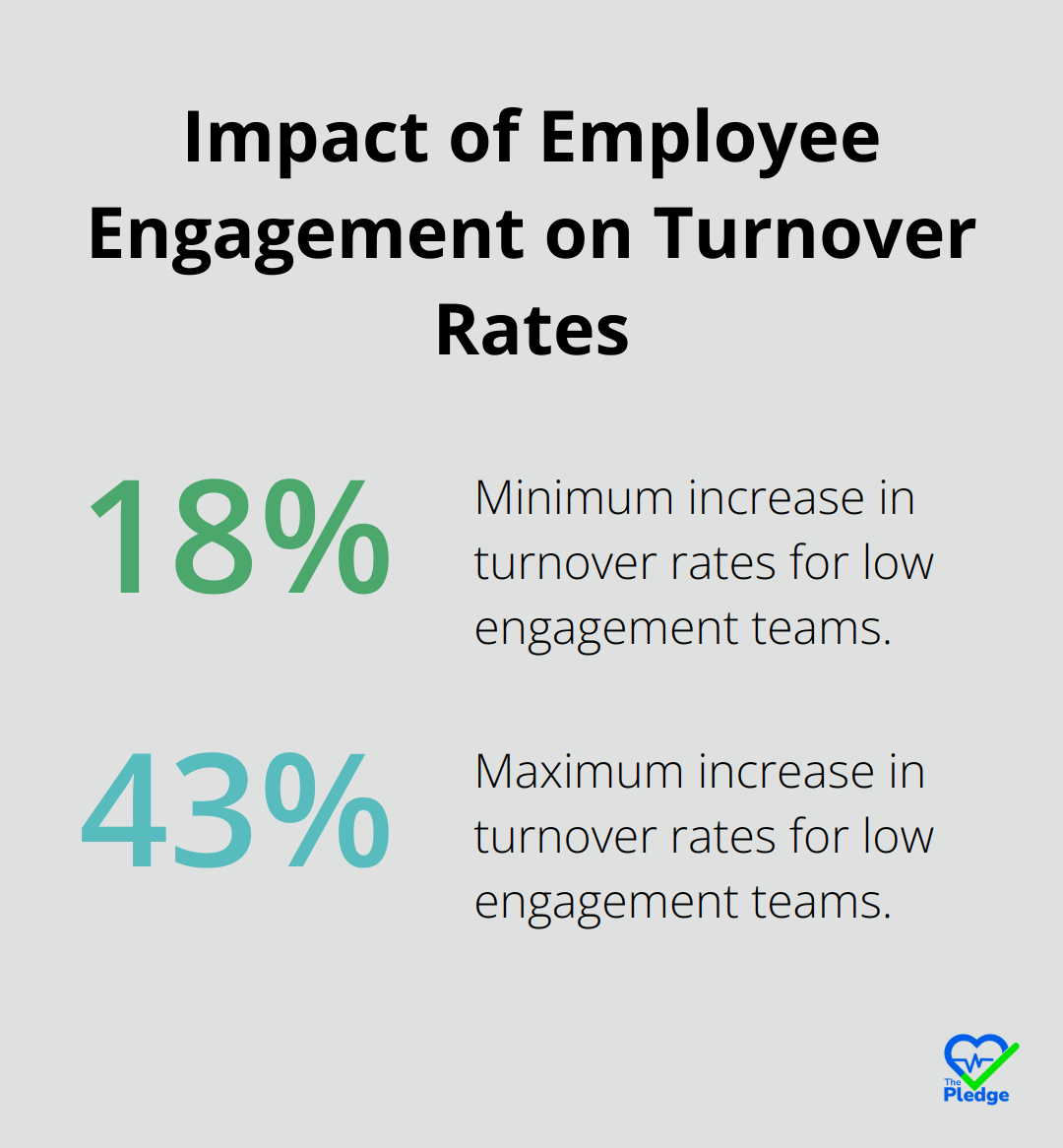
Employee health engagement isn’t just a trend; it’s a powerful business strategy. When employees are healthy and engaged, their productivity soars. Low engagement teams typically endure turnover rates that are 18% to 43% higher than highly engaged teams. This translates to substantial financial gains: for a company of 1,000 employees, increased productivity could result in millions of additional revenue annually.
Cutting Healthcare Costs Dramatically
Engaged employees tend to be healthier, which leads to lower healthcare costs for employers. A meta-analysis found that medical costs fall by about $3.27 for every $1 spent on wellness programs. Johnson & Johnson, for instance, saved $250 million on health care costs over a decade through their comprehensive wellness program. These numbers demonstrate the significant financial impact of prioritizing employee health.
Fostering a Positive Company Culture
Health engagement creates a positive company culture. When employees feel their well-being is valued, it enhances morale and job satisfaction. A survey by the American Psychological Association revealed that 89% of workers at companies that support well-being initiatives are more likely to recommend their company as a good place to work. This positive culture (often referred to as a “wellness culture”) can become a powerful recruitment and retention tool.
Quantifying the Impact
To truly understand the power of health engagement, companies must measure it. Tools like employee surveys, health risk assessments, and productivity metrics are essential. Setting clear Key Performance Indicators (KPIs) and tracking them over time is crucial. For example, companies should monitor changes in absenteeism rates, healthcare claim costs, and employee retention. These metrics provide tangible evidence of the program’s success and areas for improvement.
Tailoring Programs for Maximum Effect
Health engagement isn’t a one-size-fits-all solution. The most effective programs are tailored to a team’s specific needs. This might include offering on-site fitness classes, mental health resources, or nutrition counseling. The key is to provide options that resonate with the workforce. Companies that offer personalized programs (such as those that account for different age groups, health conditions, or lifestyle preferences) often see higher participation rates and better outcomes.
As we move forward, it’s clear that innovative strategies are needed to take employee health engagement to the next level. Let’s explore some cutting-edge approaches that are revolutionizing workforce wellness.
Gamifying Health: The New Frontier of Employee Wellness
The Power of Play in Health
Gamification can have a positive impact in health and wellbeing, particularly for health behaviours. This approach taps into our competitive spirit and desire for rewards, making health improvement feel like an adventure rather than a chore. A company implemented a “Health Quest” program where employees embarked on a virtual journey, unlocking new levels as they completed health-related tasks. This resulted in a 40% increase in program participation and a 25% improvement in overall health metrics.
Personalization: The Key to Sustained Engagement
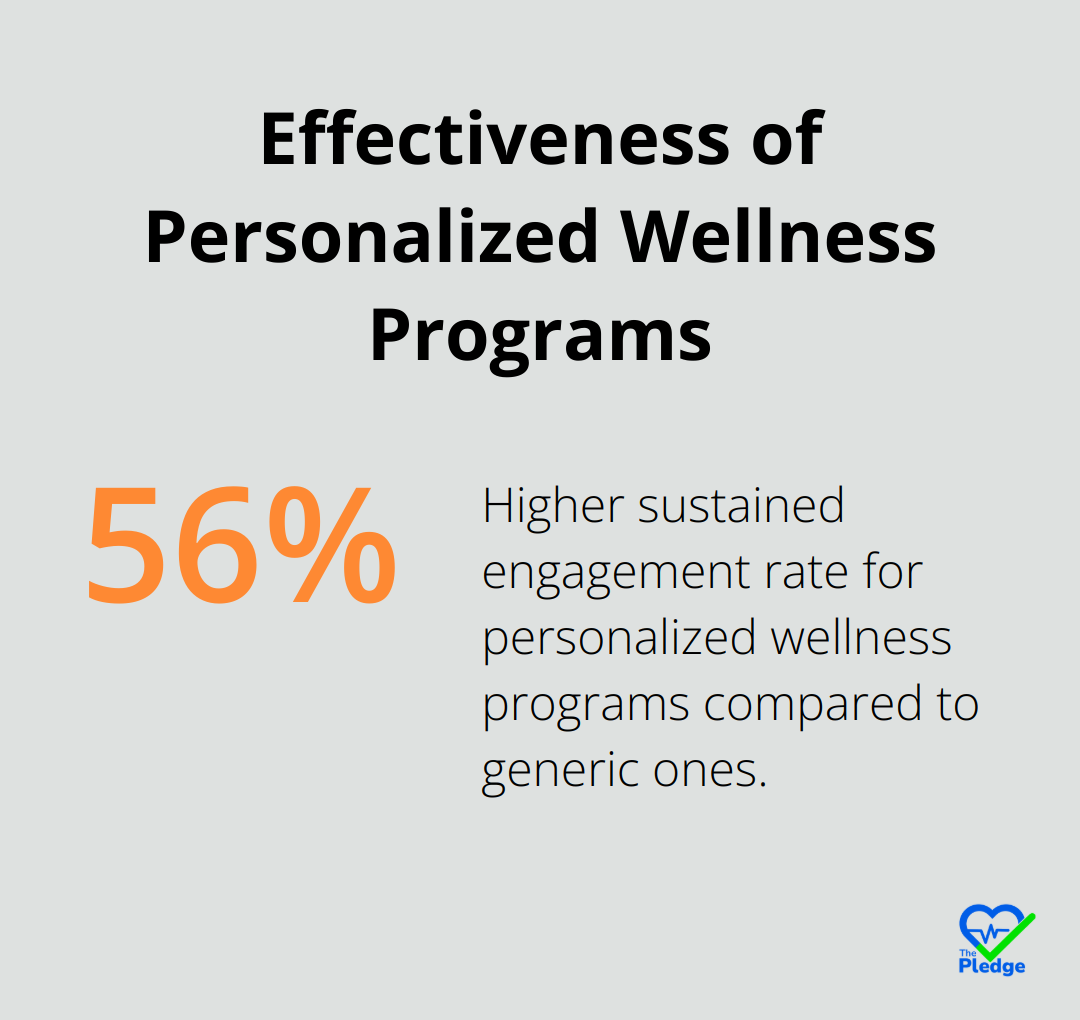
Generic approaches often fail to inspire. Personalized health challenges and goals prove far more effective. AI-driven algorithms create tailored health plans that consider an individual’s current fitness level, health risks, and personal interests. A study by the American Journal of Health Promotion found that personalized wellness programs resulted in a 56% higher sustained engagement rate compared to generic programs.
Wearables and Apps: Your Health Companions
Wearable technology and health apps revolutionize health tracking and improvement. These devices provide real-time data that integrates seamlessly into wellness platforms. A company using a comprehensive platform saw a 70% increase in daily step counts after implementing a company-wide step challenge using connected fitness trackers.
Modern wearables track more than just steps. They monitor sleep patterns, heart rate variability, and even stress levels. This wealth of data allows for more nuanced and effective health interventions. Companies use this data to identify high-stress periods and implement targeted relaxation programs (resulting in a 30% reduction in reported stress levels).
Creating a Culture of Health
Successful health engagement strategies extend beyond individual challenges. They foster a culture where health becomes a shared value. Team-based challenges, where departments compete against each other in various health metrics, prove particularly effective. These initiatives not only foster camaraderie but also create peer support systems that encourage long-term behavior change.
The goal extends beyond mere participation in wellness programs. It aims to integrate health into the very fabric of company culture. Leveraging gamification, personalization, and technology creates a workforce that’s healthier, more engaged, productive, and satisfied.
As we explore these innovative strategies, it becomes clear that technology plays a pivotal role in shaping the future of workforce wellness. Let’s examine how cutting-edge tech solutions are transforming employee health engagement.
How AI Transforms Employee Health
Personalized Health Recommendations
AI algorithms analyze vast amounts of health data to provide tailored recommendations for each employee. These aren’t generic tips; they’re specific, actionable insights based on an individual’s health history, current lifestyle, and future goals. An employee with a family history of heart disease might receive customized nutrition plans and exercise routines designed to lower their risk.
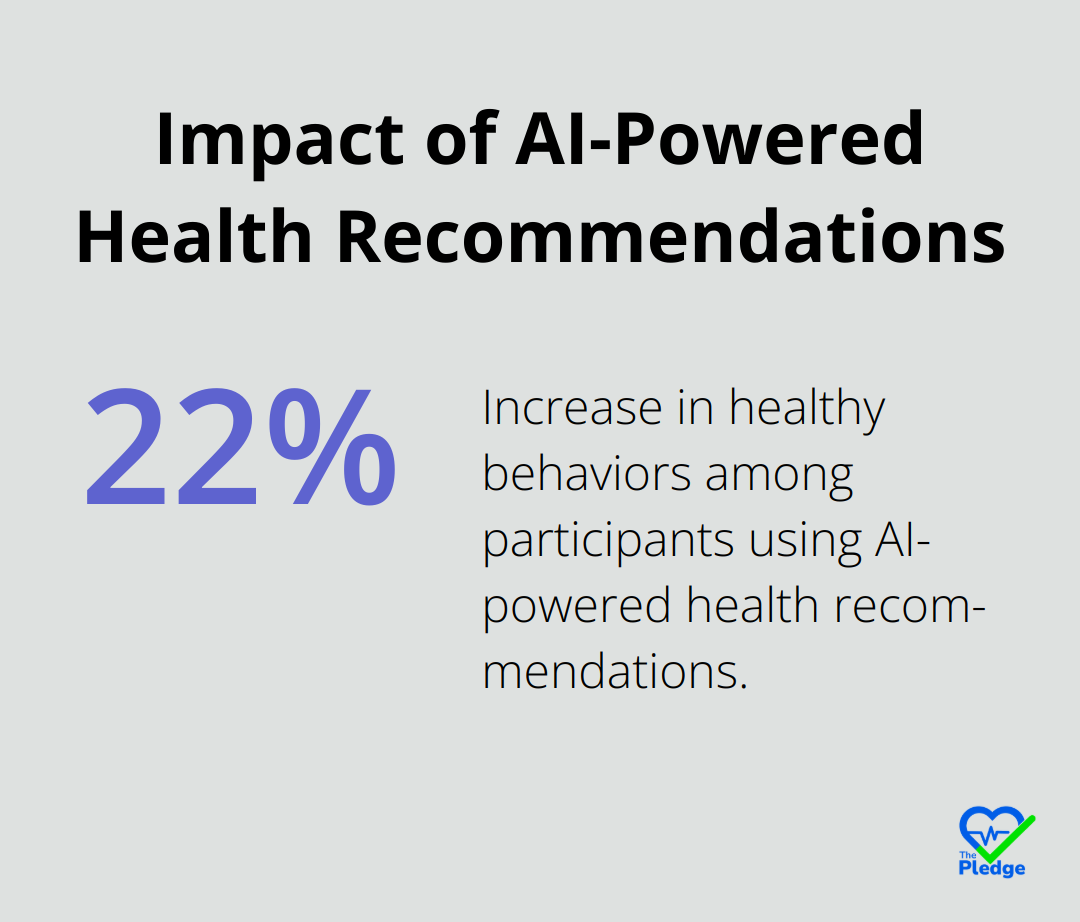
A study by the Journal of Medical Internet Research found that AI-powered health recommendations increased healthy behaviors among participants by 22%. This level of personalization sets modern health engagement apart from traditional wellness programs.
Real-Time Health Tracking
Annual health assessments are obsolete. AI and wearable technology now track health metrics in real-time. This continuous monitoring allows for early detection of potential health issues and immediate intervention.
If an employee’s stress levels spike during certain periods, the AI can suggest immediate stress-reduction techniques or schedule a virtual counseling session. This proactive approach reduces stress-related absences by up to 30% in companies using advanced health tracking systems.
Virtual Health Coaching
AI-powered virtual health coaches provide support and guidance whenever employees need it. These coaches use natural language processing to understand and respond to queries, offer encouragement, and provide personalized advice.
A recent pilot program using AI health coaches increased employee engagement with wellness initiatives by 40% compared to traditional methods. The accessibility and non-judgmental nature of AI coaches make them particularly effective for addressing sensitive health issues (such as mental health concerns or weight management).
Predictive Health Analytics
AI doesn’t just react to current health data; it predicts future health trends. By analyzing patterns in an employee’s health data, AI can forecast potential health risks and suggest preventive measures.
Predictive health analytics can analyze ergonomic factors and individual anthropometric data to predict and prevent musculoskeletal disorders in the workplace. This predictive approach helps prevent health issues before they become serious, leading to healthier employees and lower healthcare costs.
Seamless Integration with Healthcare Providers
AI-driven platforms can integrate seamlessly with healthcare providers, creating a more cohesive health ecosystem. When an employee visits a doctor, the AI can provide a comprehensive health history, including data from wearables and self-reported symptoms. This integration ensures that healthcare providers have a complete picture of an employee’s health, leading to more accurate diagnoses and effective treatments.
Final Thoughts
Workforce health engagement will shape the future of business success. Companies must prioritize employee wellness to enhance productivity, reduce costs, and foster a positive culture. Innovation in health technology allows for targeted interventions that prevent issues before they arise.
AI-driven personalization and real-time health tracking revolutionize employee wellness approaches. These advancements enable more effective strategies, which companies must embrace to thrive in a competitive landscape. Investing in health technology becomes a strategic imperative for forward-thinking organizations.
We at The Pledge stand at the forefront of this workforce health engagement revolution. Our AI-powered digital health platform transforms how employees and employers approach healthcare. It centralizes health data, simplifies care navigation, and promotes preventative care (leading to higher engagement rates and cost savings).
![Navigating Your Provider Network for Maximum Savings [Guide]](https://thepledge.app/wp-content/uploads/emplibot/Navigating-Your-Provider-Network-for-Maximum-Savings-_Guide__1781489382-300x168.jpeg)