Most employees have no idea what their complete health picture looks like. Medical records sit in different systems, benefits information stays buried in portals, and health data never talks to each other.
At The Pledge, we believe a holistic health data view changes everything. When your wellness information lives in one place, you spot problems early, coordinate care better, and actually take control of your health instead of reacting to crises.
The Cost of Scattered Health Records
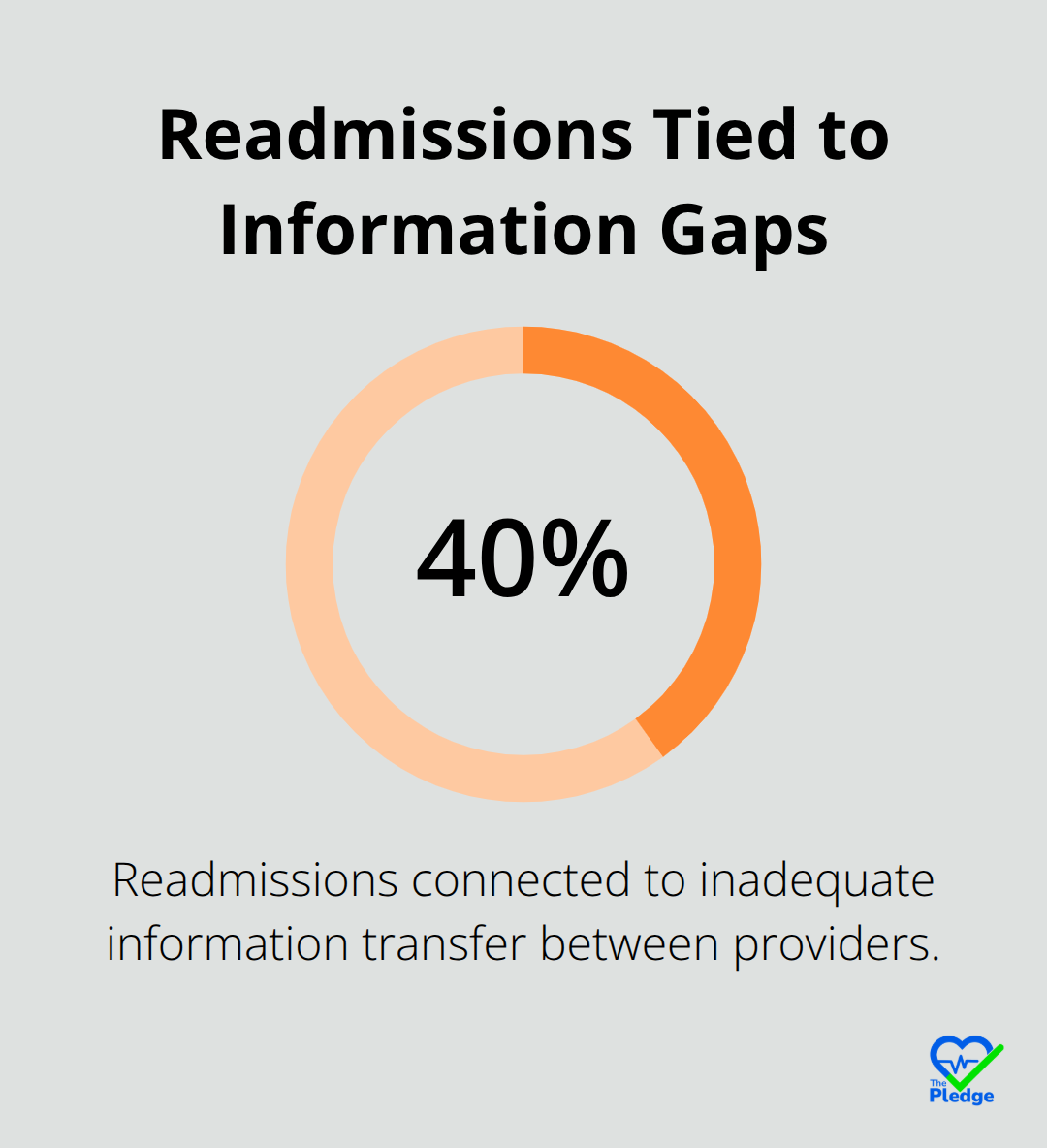
When a patient’s medical history lives across five different systems, nobody has the full picture. A primary care doctor sees one set of test results, a specialist sees another, and the insurance company sees something entirely different. This fragmentation isn’t just inefficient-it directly harms employee health. Studies show that poor care coordination leads to duplicate tests, missed diagnoses, and preventable complications. In one analysis of hospital readmissions, nearly 40% were linked to inadequate information transfer between providers. Employees order the same blood work twice, take medications that interact without anyone knowing, or skip preventative screenings because they don’t realize they’re overdue.
The result is reactive healthcare instead of proactive wellness. Employees wait until problems become emergencies, which costs more, hurts outcomes, and wastes time off work.
How Fragmentation Breaks Care Coordination
When providers can’t access each other’s notes, they make decisions in a vacuum. A cardiologist prescribes a medication without knowing the patient started a new supplement last month. A therapist works on stress management while the patient’s employer wellness program pushes the same goal through a different app. The patient receives conflicting advice, wastes effort on duplicate interventions, and loses trust in the system. Real-time data sharing between providers, insurers, and employers eliminates this waste. Employees also struggle to be their own health advocates when information is scattered. They forget what their last doctor said, don’t know if they’ve met their deductible, and have no way to track whether their blood pressure is actually improving. This information gap leaves them powerless. A centralized platform changes this dynamic by giving employees instant access to their complete health story and actionable next steps.
The Productivity Drain Nobody Measures
Presenteeism costs U.S. employers roughly 180 billion dollars annually, nearly double the cost of absenteeism. Much of this stems from employees managing health problems that could have been caught earlier or coordinated better. An employee with undiagnosed high blood pressure shows up to work but can’t focus. Another schedules three separate appointments with different doctors because none of them know about the others’ findings. Time spent navigating fragmented healthcare systems, searching for records, and repeating information to multiple providers adds up fast. When health data is unified, employees spend less time on administrative tasks and more time on actual wellness. They spot warning signs sooner, get care coordinated faster, and feel supported rather than confused. This shift from chaos to clarity directly improves both health outcomes and workplace productivity, setting the stage for how integrated data transforms the entire care experience.
How Centralized Data Creates a Complete Health Picture
One Platform Replaces Multiple Systems
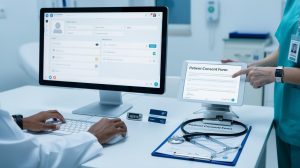
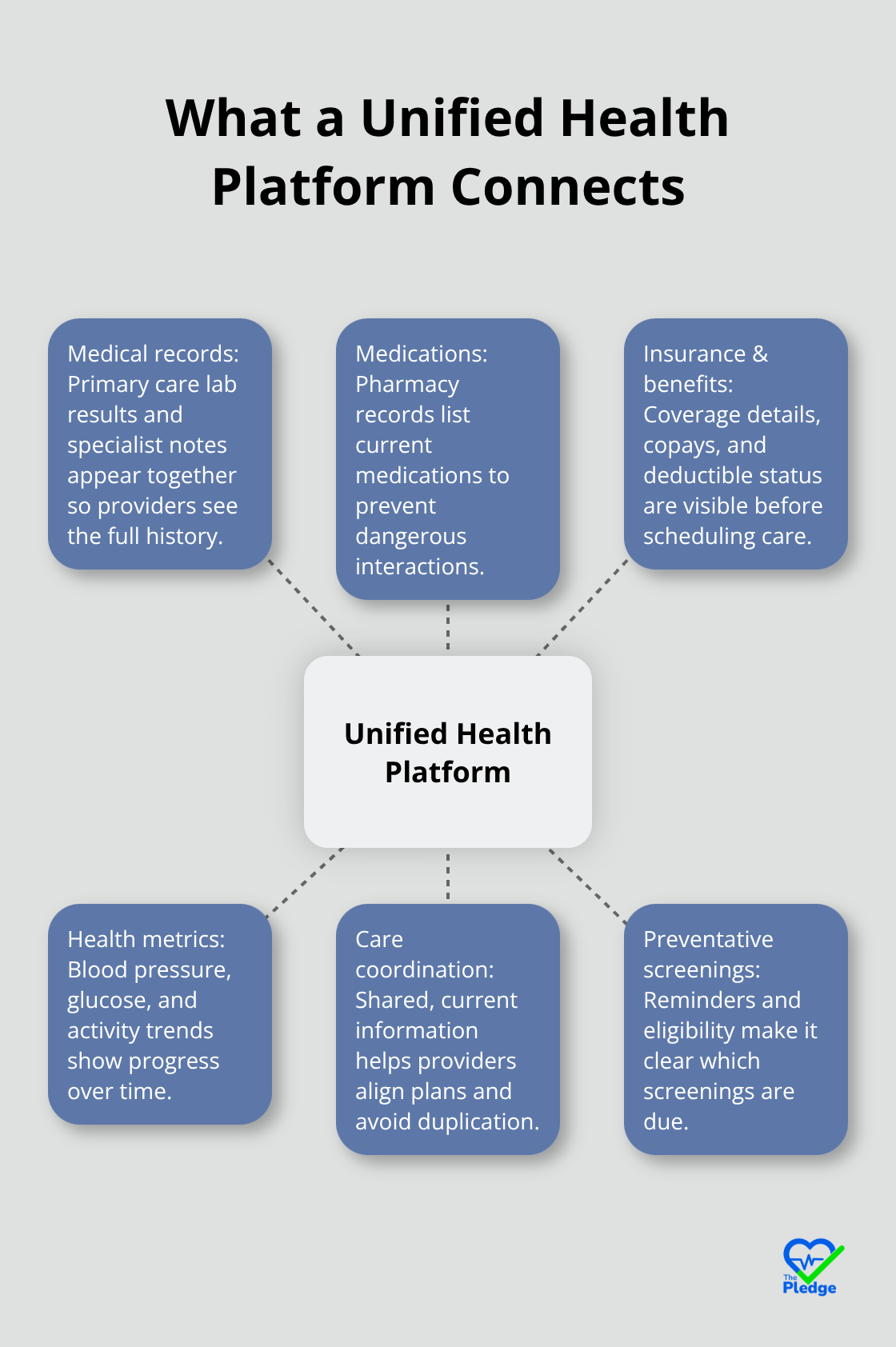
Employees waste hours hunting through fragmented portals and calling clinics to retrieve their own information. A unified health platform eliminates this chaos. When medical records, insurance details, and health metrics live in a single location, employees see their complete health story instantly. This consolidation connects data that never communicated before: lab results from your primary care doctor, specialist notes from a cardiologist, pharmacy records showing current medications, and real-time information about what your insurance actually covers. An employee can now see that their blood pressure reading from three months ago is trending upward, check whether they’ve met their deductible for preventative screenings, and understand exactly which medications they’re taking and why.
Visibility Enables Faster, Smarter Decisions
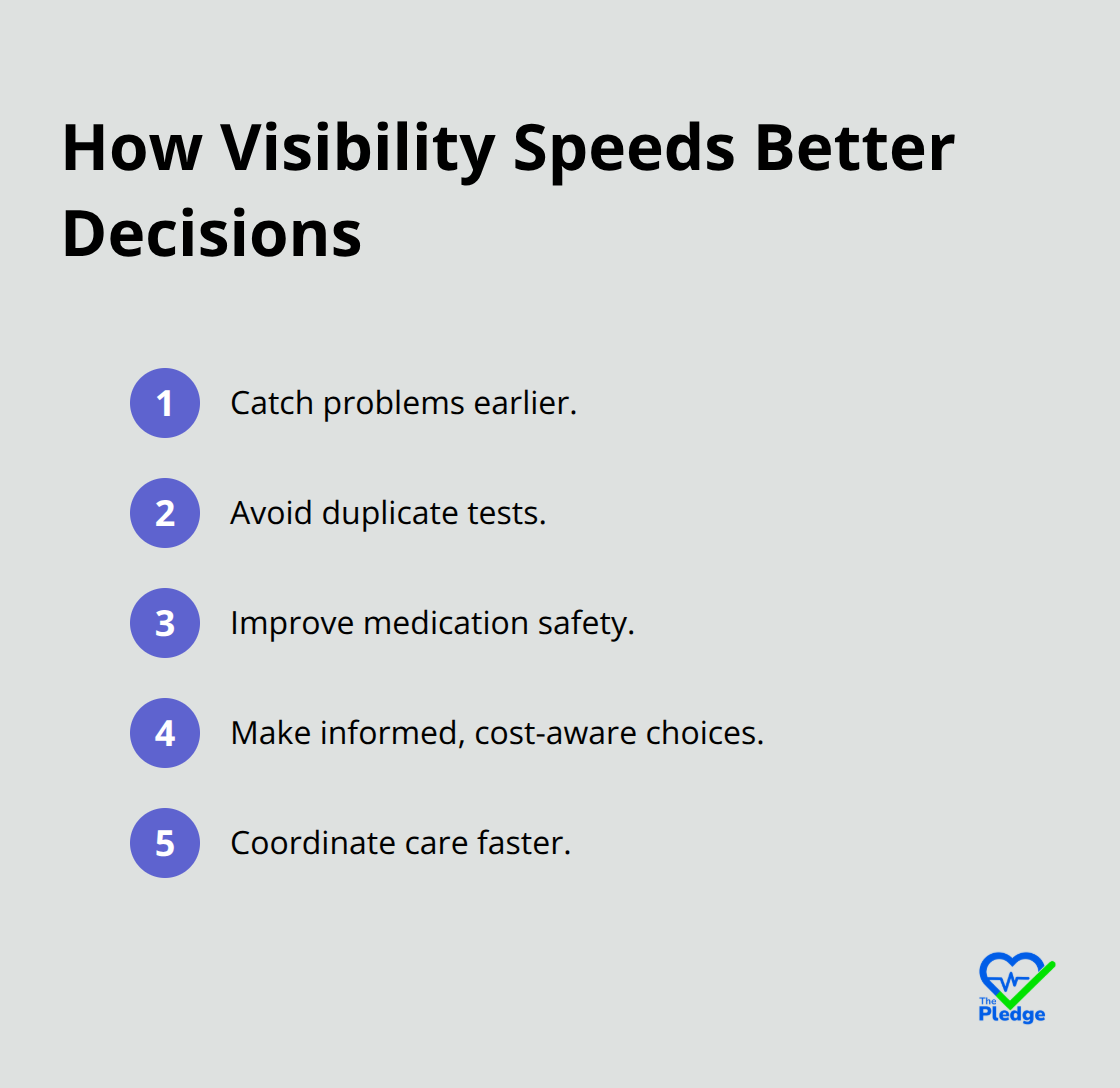
This visibility transforms how employees make healthcare choices. Research on care coordination shows that integrated health data reduces duplicate testing and improves medication safety by eliminating dangerous drug interactions that slip through when records stay separated. Employees catch problems earlier, avoid unnecessary procedures, and make informed choices about their care instead of guessing. The practical impact matters: a patient on blood pressure medication learns their readings are improving, so they stick with their treatment plan. Another employee spots that two specialists prescribed overlapping therapies and contacts their doctor to adjust. These decisions happen because information is accessible, not buried across five different systems.
Benefits Information Stops Being a Mystery
Most employees have no idea what their plan actually covers until they need care, which means they either skip preventative services they could afford or schedule unnecessary expensive treatments. A unified platform shows deductible status, copay amounts, and coverage details before employees schedule appointments. This transparency lets them plan their healthcare spending strategically. An employee managing diabetes can see their glucose readings, appointment history, medication adherence, and upcoming preventative care milestones all together, making it obvious what’s working and what needs adjustment. This integrated view transforms healthcare from a series of disconnected events into a continuous journey where patterns emerge and early interventions become possible.
Patterns Reveal What Matters Most
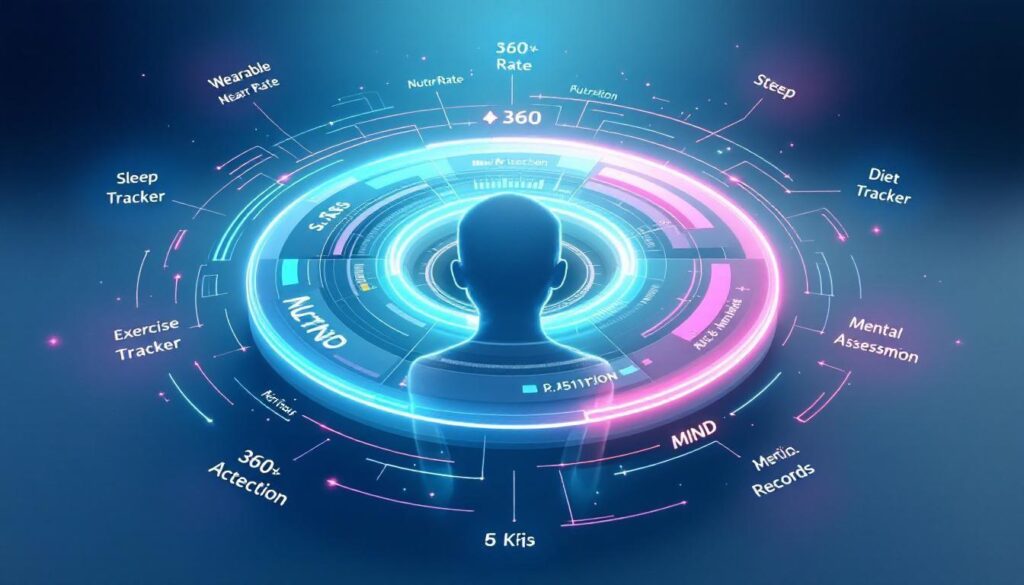
When health metrics feed into one dashboard, trends that matter become impossible to miss. An employee notices their stress levels spike on Mondays and correlate with higher blood pressure readings. Another tracks that their energy improves after they increase physical activity, so they maintain the habit. A parent monitoring a child’s asthma sees which seasons trigger flare-ups and prepares preventatively. These insights drive behavior change because employees see cause and effect in real time, not months later when they review scattered notes. The data itself becomes a coach, showing what works and what doesn’t.
From Reactive to Proactive Care
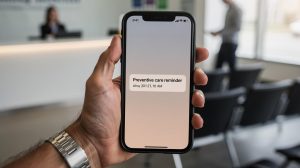
Fragmented records force employees into reactive mode-they wait until problems become emergencies. Centralized data flips this dynamic. Early warning signs surface before they become serious. A patient with prediabetes sees their glucose trending upward and adjusts their diet before developing diabetes.
Another employee notices their cholesterol is creeping up and schedules a conversation with their doctor about prevention. This shift from crisis management to early intervention improves outcomes and reduces the need for expensive emergency care. The foundation is now in place to understand how this integrated view actually changes what happens next in the care journey.
When Data Patterns Reveal What Matters
Unified Data Transforms Information Into Action
A unified health view converts raw data into actionable intelligence that employees actually use. When lab results, medication adherence, activity levels, and clinical notes live in one system, patterns emerge that predict health problems before they become serious. An employee with prediabetes watches their glucose readings trend upward month after month, paired with weight gain and reduced physical activity. The connection becomes obvious in real time, not buried across separate portals. They adjust their diet, increase movement, and prevent diabetes. Another employee notices their stress scores spike on specific days, correlating perfectly with elevated blood pressure readings. They identify the trigger, make changes, and watch their numbers improve. These aren’t theoretical insights-they’re concrete cause-and-effect relationships that drive behavior change because employees see the evidence themselves.
How Integration Eliminates Dangerous Gaps
Integrated health data reduces duplicate testing and improves medication safety by eliminating dangerous drug interactions that slip through when records stay separated. The practical result is that employees catch problems at stage one instead of stage four, when treatment is cheaper and outcomes are better. Care coordination across multiple providers becomes seamless when everyone accesses the same current information. A cardiologist no longer prescribes medication without knowing what the primary care doctor already started. A therapist coordinates stress management with the employee’s employer wellness program instead of duplicating effort. Specialist notes automatically reach the primary care doctor, so nothing falls through the cracks. Employees stop repeating their medical history to every new provider and stop hearing conflicting advice from different parts of the healthcare system.
Ownership Drives Better Health Decisions
This coordination directly improves outcomes-coordinated care reduces hospital readmissions and emergency room visits. When employees own their health data and share it strategically with family members, they gain genuine agency over their wellness journey. They track whether their blood pressure medication actually works, see if their diabetes management improves, and understand which preventative screenings they’ve completed and which ones remain overdue. This visibility transforms healthcare from something that happens to them into something they actively direct. Employees with access to their complete health picture make faster appointments, ask better questions, and follow treatment plans more consistently because they understand why each step matters.
Final Thoughts
Integrated health data transforms outcomes and costs in ways that matter to employees and employers alike. When medical records, benefits information, and health metrics live in one unified system, care coordination becomes seamless, providers access current information instead of making decisions in the dark, and duplicate testing disappears. Coordinated care reduces hospital readmissions and emergency room visits, cutting unnecessary spending while improving health.
Employees gain real ownership over their wellness when they can see their complete holistic health data view. They spot warning signs early, stick with treatment plans because they understand why each step matters, and make informed decisions about their care instead of guessing. This shift from reactive crisis management to proactive prevention drives better outcomes across every health condition, from diabetes management to cardiovascular health.
Presenteeism costs employers roughly 180 billion dollars annually because employees manage uncoordinated health problems that drain focus and productivity. A unified approach eliminates wasted time hunting through fragmented portals, repeating information to multiple providers, and scheduling duplicate appointments. Visit The Pledge to see how centralized health data transforms healthcare from fragmented and frustrating into simple and effective.