Healthcare delivery has become increasingly complex, with fragmented patient information leading to suboptimal outcomes and rising costs. At The Pledge, we recognize the urgent need for a solution that bridges these gaps in care.
Enter the care coordination platform: a powerful tool designed to streamline healthcare delivery and improve patient care. This innovative technology promises to revolutionize how healthcare providers manage patient data, communicate, and track care plans.
Why Modern Healthcare Needs Coordination
The Complexity Conundrum
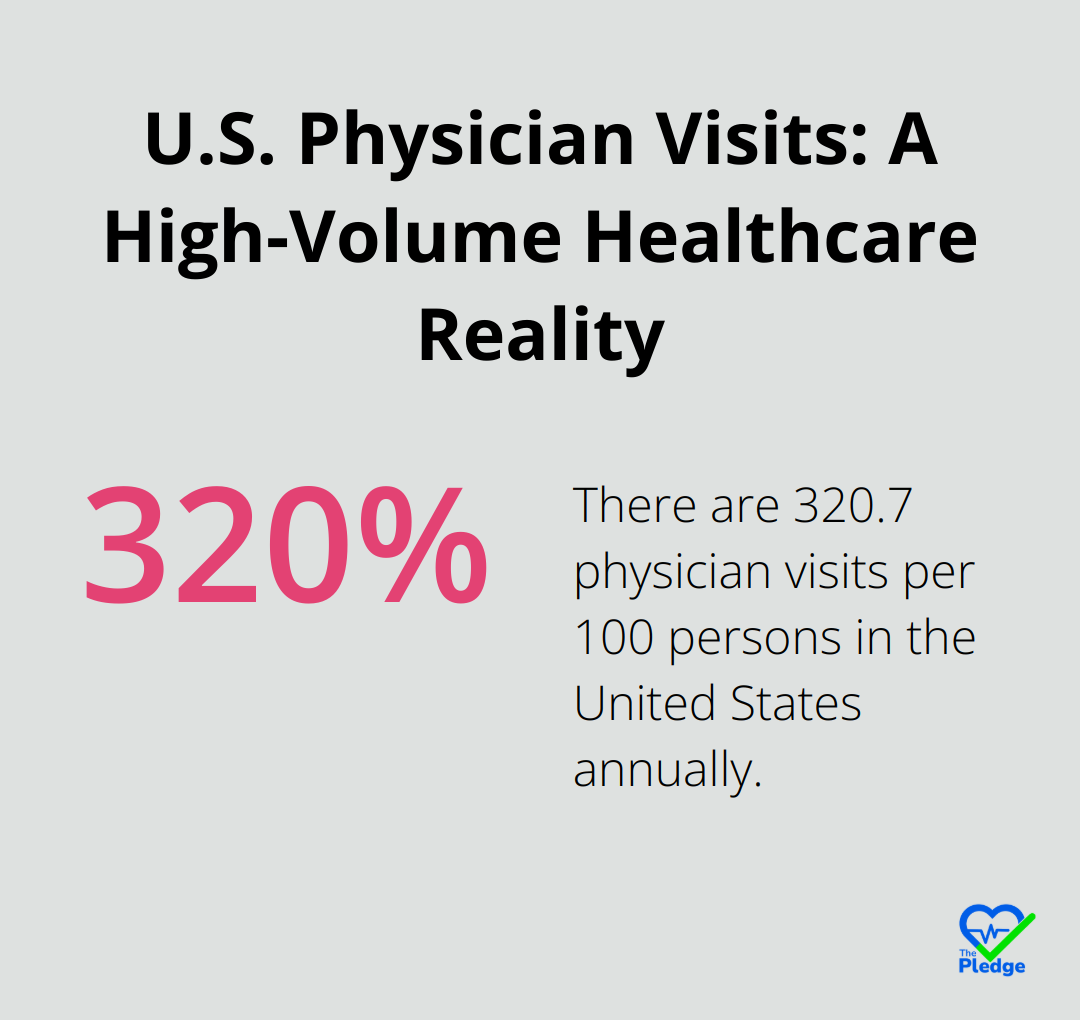
Today’s healthcare landscape presents a complex web of providers, specialists, and facilities. This complexity often leads to fragmented patient information, creating significant challenges for both patients and healthcare providers. The average patient now sees multiple healthcare providers across various specialties. According to the CDC, there were 1.0 billion physician visits in the United States, with 320.7 visits per 100 persons. This high number of touchpoints increases the risk of miscommunication and gaps in care.
Fragmented Information: A Silent Threat
Fragmented patient information threatens effective healthcare delivery. A survey by the American Medical Association found that 75% of physicians believe poor communication between providers negatively impacts patient care. This lack of cohesion can lead to:
- Duplicate tests and procedures
- Medication errors
- Missed diagnoses
- Unnecessary hospital readmissions
The High Cost of Disjointed Care
The financial impact of poor care coordination staggers the imagination. A study published in NCBI suggests that inefficiencies in care delivery and coordination contribute to healthcare waste. This waste not only strains healthcare budgets but also translates to higher costs for patients and employers.
Bridging the Gap with Technology
To address these challenges, healthcare providers need robust care coordination platforms. These platforms can centralize patient data, facilitate real-time communication between providers, and automate care plan tracking. The implementation of such solutions can significantly improve patient outcomes while reducing costs.
The Future of Coordinated Care
As we move forward, the need for effective care coordination becomes increasingly apparent. The healthcare industry must embrace innovative solutions that address the complexities of modern care delivery. Care coordination platforms (like The Pledge) offer a promising path forward, providing the tools necessary to streamline communication, centralize data, and ultimately improve patient outcomes.
The next chapter will explore the key features that make an effective care coordination platform, shedding light on how these technological solutions can transform healthcare delivery.
What Makes a Care Coordination Platform Effective?
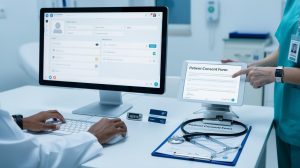
Centralized Patient Data Management
The cornerstone of any effective care coordination platform is centralized patient data management. This feature allows healthcare providers to access a patient’s complete medical history, test results, and treatment plans in one place. Health information technology improves patient safety by reducing medication errors, reducing adverse drug reactions, and improving compliance to practice guidelines.
Effective platforms integrate data from various sources, including electronic health records (EHRs), wearable devices, and patient-reported outcomes. This comprehensive view enables healthcare providers to make more informed decisions and provide personalized care.
Real-Time Communication Tools
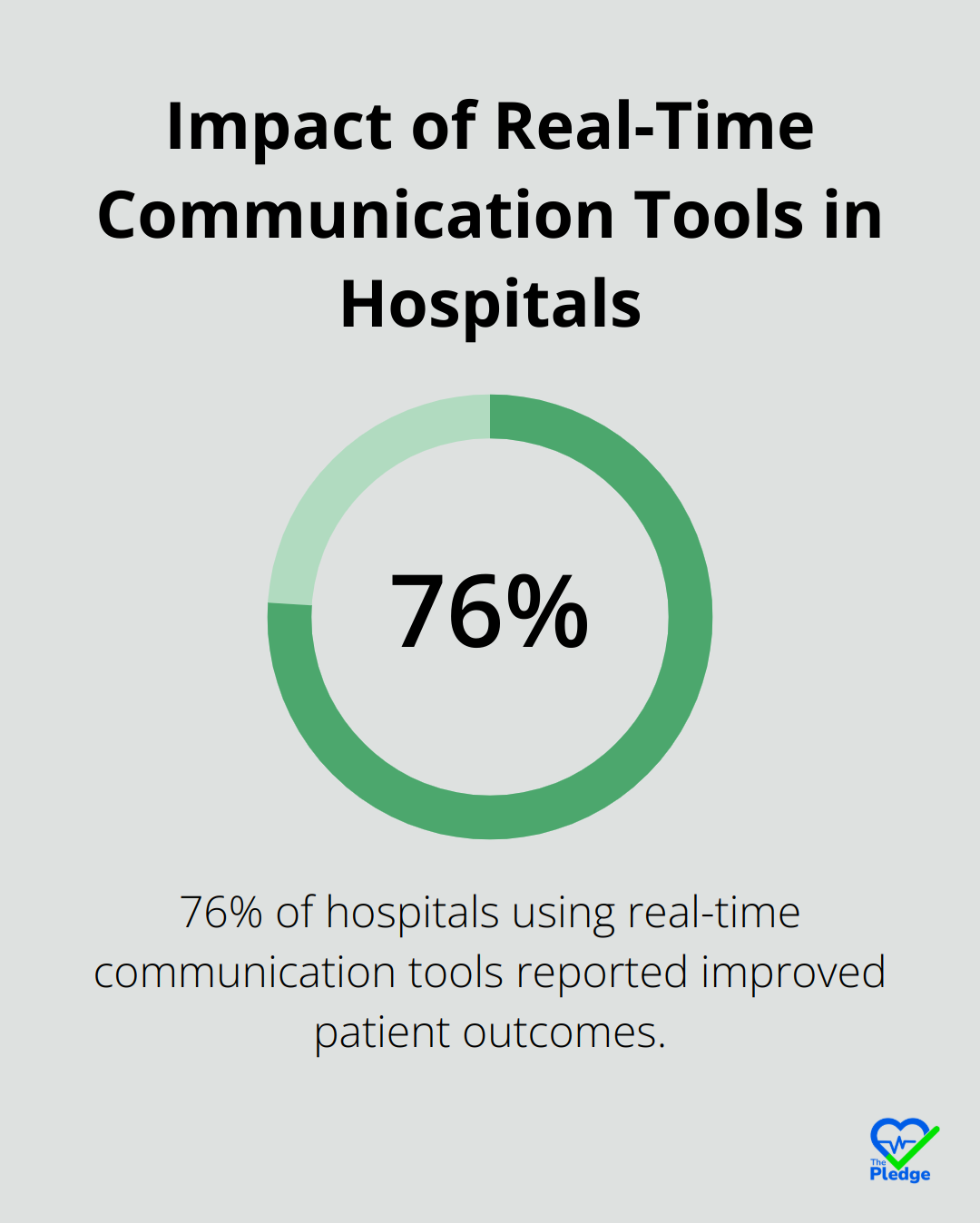
Effective communication is vital in healthcare delivery. Real-time communication tools in care coordination platforms facilitate instant messaging, video consultations, and secure file sharing among healthcare providers. A survey by the American Hospital Association found that 76% of hospitals using such tools reported improved patient outcomes.
These tools (such as instant alerts for critical lab results and secure messaging for care team collaboration) ensure that all members of a patient’s care team stay on the same page, reducing the risk of miscommunication and improving care quality.
Automated Care Plan Tracking
Automated care plan tracking is another essential feature of effective care coordination platforms. This functionality allows healthcare providers to set up personalized care plans for patients and track their progress automatically. Reminder systems target “treatment” or “secondary” non-adherence, which is the failure to correctly utilize prescribed treatment plans.
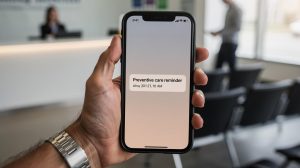
Advanced platforms include AI-powered reminders for medication, appointments, and lifestyle changes. They also provide real-time updates to care plans based on patient progress and new data, ensuring that care remains tailored to each patient’s evolving needs.
Seamless Integration with Existing Systems
An effective care coordination platform must integrate seamlessly with existing healthcare systems. This integration ensures that data flows smoothly between different platforms, reducing the risk of information silos and improving overall efficiency.
Platforms that offer robust APIs (Application Programming Interfaces) and support for industry-standard protocols (like HL7 and FHIR) make it easier for healthcare providers to adopt and implement these solutions without disrupting their existing workflows.
Analytics and Reporting Capabilities
To truly enhance care coordination, platforms must offer powerful analytics and reporting capabilities. These features allow healthcare providers to identify trends, measure outcomes, and make data-driven decisions.
Advanced analytics can help predict patient risks, optimize resource allocation, and improve overall care quality. Regular reports (generated automatically by the platform) can help healthcare providers track key performance indicators and continuously improve their care coordination efforts.
As we explore these key features, it becomes clear that an effective care coordination platform can transform healthcare delivery. In the next section, we’ll examine the tangible benefits that healthcare providers and patients can expect when implementing such a platform.
How a Care Coordination Platform Transforms Healthcare
Dramatic Improvements in Patient Outcomes
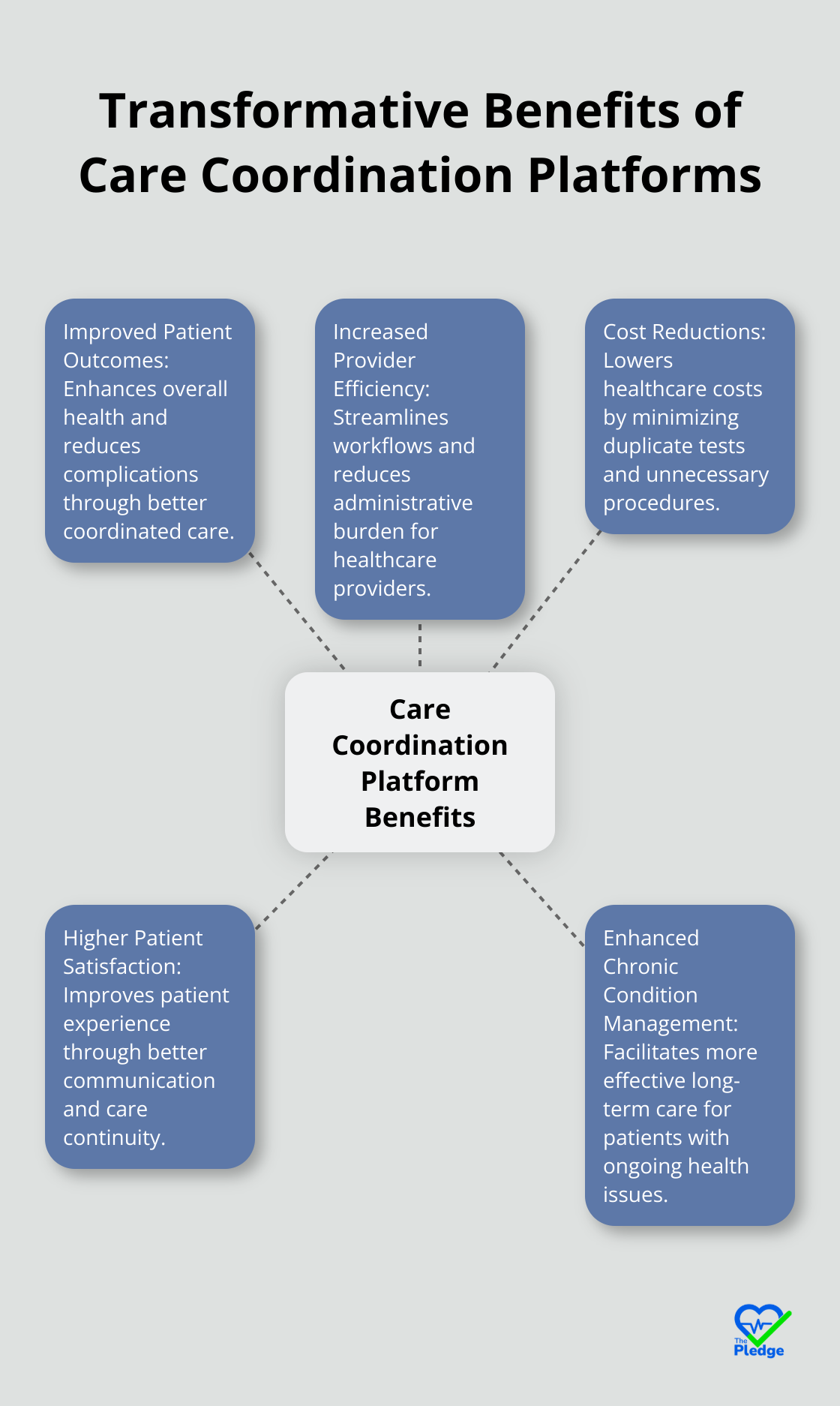
Care coordination platforms have been used with discharged patients in an attempt to reduce 30-day readmissions, with mixed results. While some studies have shown promising outcomes, it’s important to note that the effectiveness can vary depending on the specific implementation and patient population.
Skyrocketing Provider Efficiency
Healthcare providers using care coordination platforms report substantial gains in efficiency. Recent research explores how automation and scalable technologies can enhance medical billing and revenue cycle management (RCM) efficiency. This suggests that care coordination platforms, when integrated with other healthcare technologies, have the potential to significantly improve operational efficiency in healthcare settings.
Significant Cost Reductions
The financial benefits of implementing a care coordination platform are substantial. These platforms can potentially lead to cost reductions by streamlining processes and improving resource allocation, although specific figures may vary depending on the healthcare organization and implementation strategy.
Soaring Patient Satisfaction Rates
Patient satisfaction scores show marked improvement with the implementation of care coordination platforms. Patients often appreciate improved communication and easier access to their health information, which can contribute to higher satisfaction rates.
Revolutionizing Chronic Condition Management
For patients with chronic conditions, care coordination platforms have become game-changers. These platforms can provide continuous monitoring, timely interventions, and personalized care plans, which may contribute to improved outcomes for patients with chronic conditions such as diabetes.
Final Thoughts
The healthcare landscape evolves rapidly, and effective care coordination becomes increasingly important. Care coordination platforms address challenges of fragmented patient information, rising costs, and complex care delivery systems. These innovative tools centralize data, enable real-time communication, and automate care plan tracking to transform healthcare delivery.
Care coordination platforms leverage advanced technologies to provide personalized care recommendations and predict potential health risks. This technological edge allows healthcare providers to deliver more proactive, patient-centered care. The future of healthcare will rely heavily on these platforms to shape a more efficient and patient-friendly system.
Healthcare providers, employers, and individuals must embrace care coordination platforms to navigate modern healthcare complexities. We at The Pledge offer a comprehensive care coordination platform that simplifies health management. The time to act is now: adopt robust care coordination solutions to create a healthcare system that truly puts patients first.