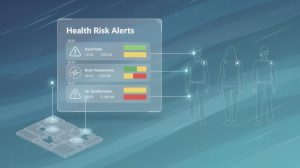
Every year, preventable health conditions cost employers billions in medical claims and lost productivity. At The Pledge, we’ve seen firsthand how health risk alerts can catch problems early, before they become expensive crises.
The difference between reactive and proactive healthcare is measured in dollars and days off work. Real-time signals give you the visibility to intervene when it matters most.
Why Healthcare Costs Keep Rising
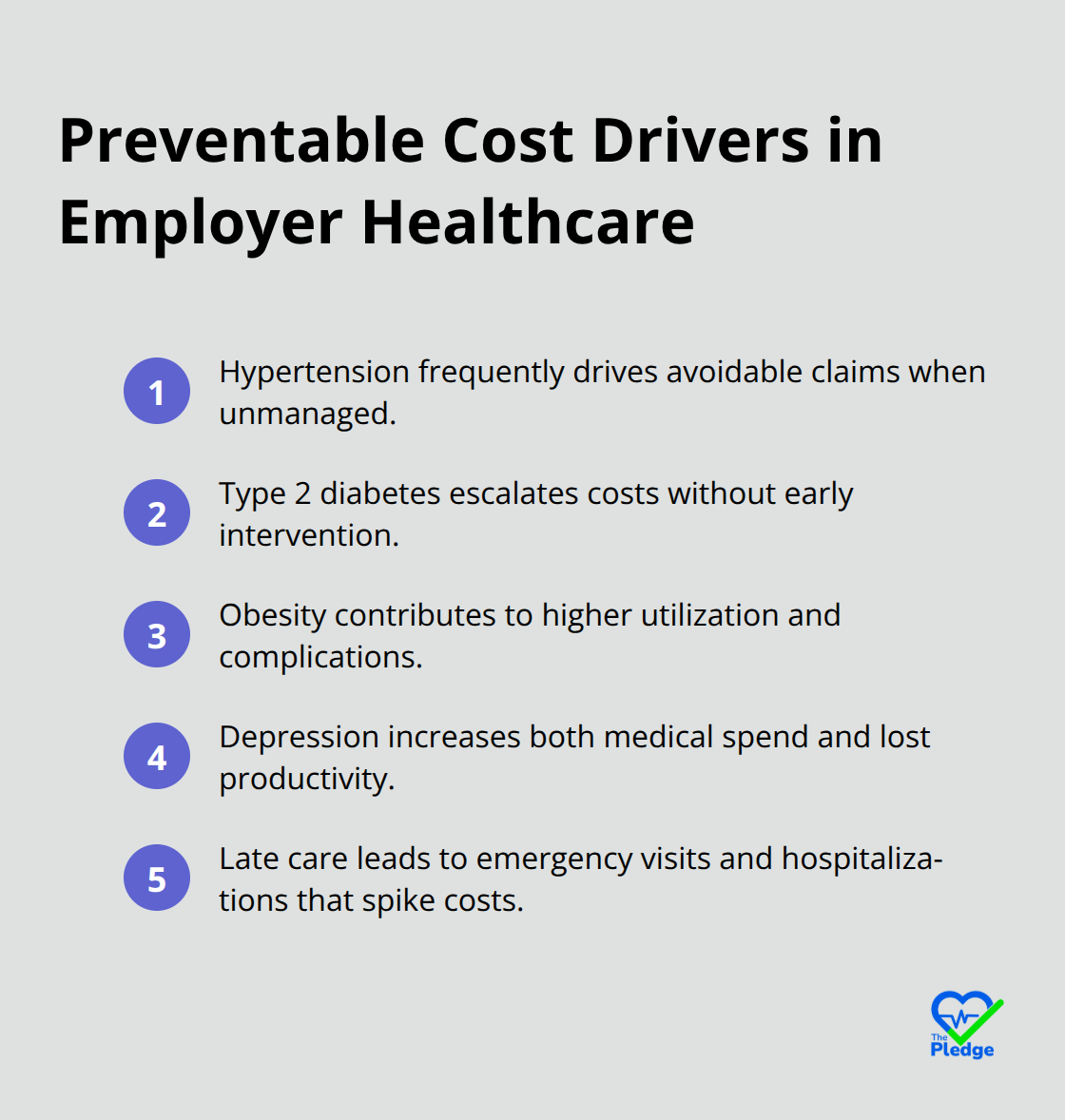
Healthcare spending in the United States reached 4.8 trillion dollars in 2023, with employers absorbing an increasing share of that burden. The reason is straightforward: most health conditions that drain budgets are preventable. Hypertension, type 2 diabetes, obesity, and depression account for a massive portion of medical claims, yet early intervention stops them before they become expensive. When employees wait until symptoms force them to the emergency room or require hospitalization, costs spike dramatically. A single preventable hospital admission costs between 15,000 and 50,000 dollars depending on the condition. The real problem isn’t that healthcare is expensive-it’s that employers lack visibility into emerging health risks until they become crises.
Absenteeism Drains More Than You Realize
Unmanaged health conditions don’t just show up as medical claims. They show up as missing employees. The American Productivity Audit found that employees with untreated chronic conditions miss an average of 7.5 more days per year than healthy counterparts, and presenteeism-showing up but working at reduced capacity-costs employers roughly 1.6 times more than absenteeism itself. A diabetic employee struggling with blood sugar swings, or someone with undiagnosed hypertension, isn’t absent; they’re just less effective. Teams compensate, deadlines slip, and quality suffers. Real-time health alerts catch these issues early, before employees hit the wall. When you know an employee is at risk for a health event, you can connect them with support, preventative care, or lifestyle changes that actually work.
Intervention Before Crisis Saves Money
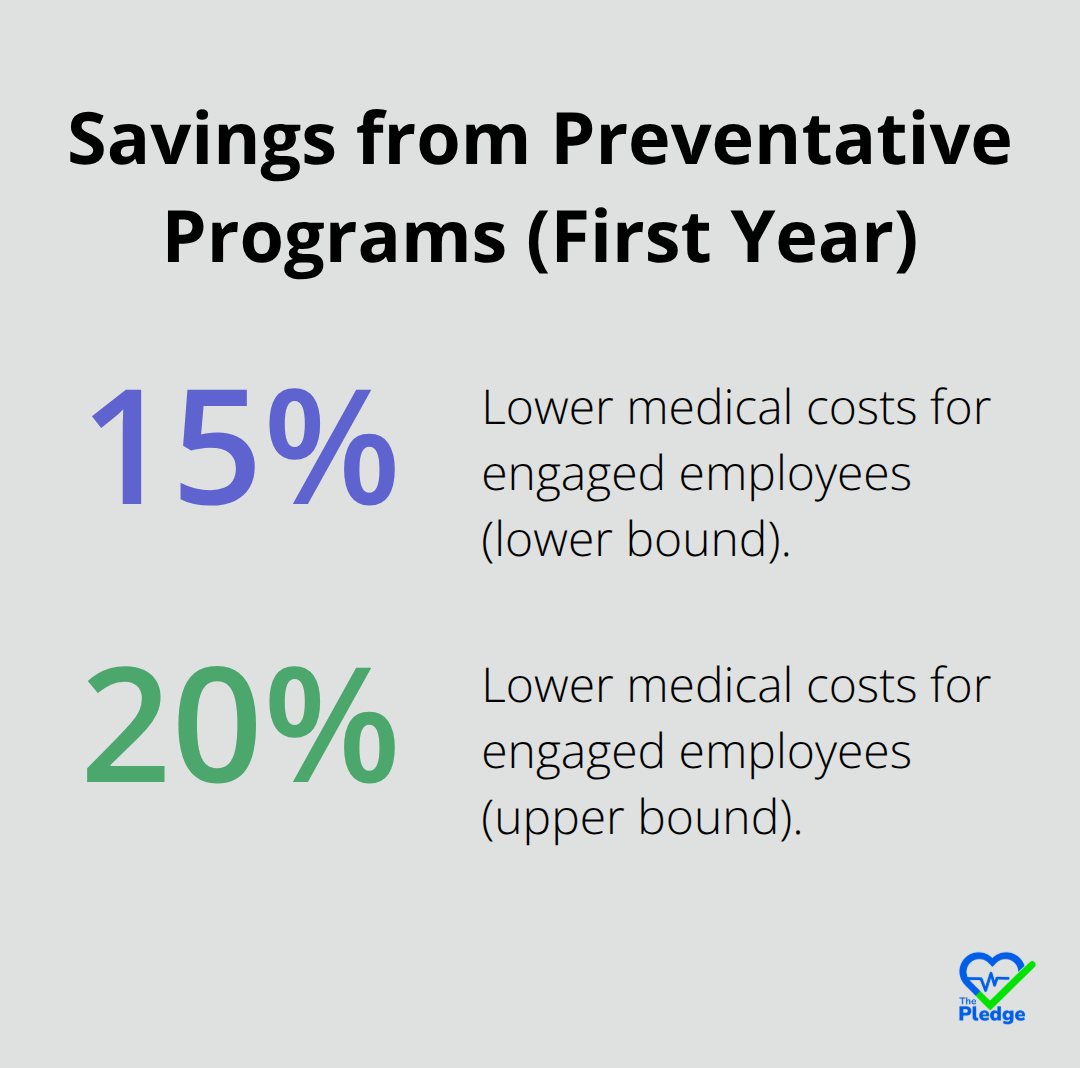
The math is brutal but clear: it costs roughly 500 dollars to manage a chronic condition proactively through medication adherence and lifestyle support, but 10,000 dollars or more to manage an acute episode in the emergency room. Early detection and intervention shift the entire cost curve downward. Claims data from major employers shows that employees engaged in preventative programs experience 15 to 20 percent lower medical costs within the first year. You’re treating manageable conditions, not emergencies.
When health risk alerts flag an employee with rising blood pressure or glucose levels, the cost of connecting them with a nurse hotline, coaching program, or specialist appointment is negligible compared to the cost of a stroke or diabetic emergency later. Employers who implement real-time health monitoring see measurable reductions in high-cost claims within months, not years.
What Real-Time Visibility Changes
The shift from reactive to proactive happens when employers gain access to health data before conditions escalate. Real-time alerts identify at-risk employees and trigger interventions at the right moment. This visibility transforms how health plans operate and how employees engage with their own care. The next section explains exactly how these alerts work and what systems make them possible.
How Real-Time Health Risk Alerts Work
Data Analysis Identifies At-Risk Employees
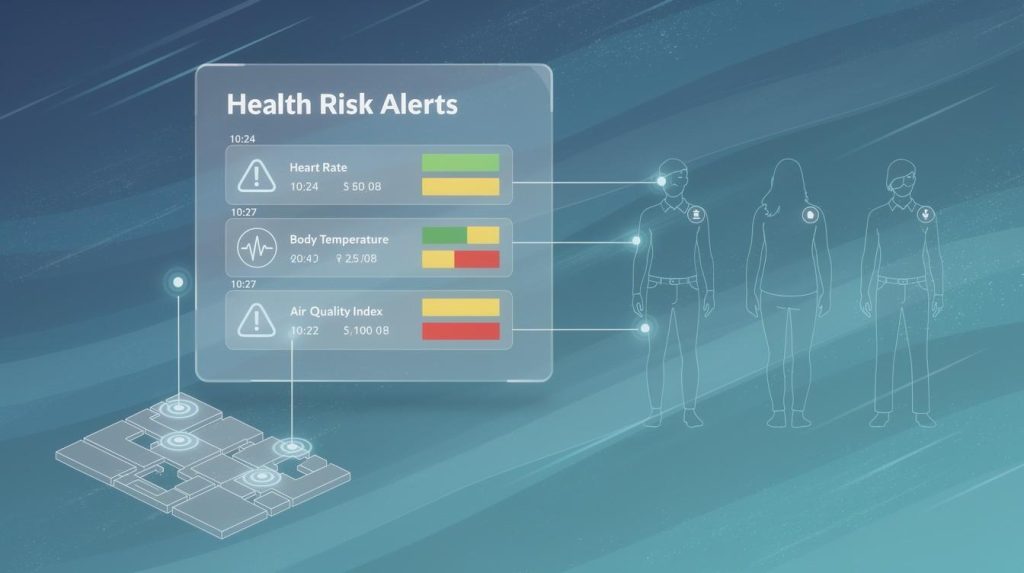
Health risk alerts operate on a straightforward principle: analyze employee health data patterns before conditions worsen, then notify the right people at the right time. The system pulls information from claims, pharmacy records, biometric screenings, and health plan data to identify employees whose health metrics trend in dangerous directions. An employee with rising A1C levels, blood pressure creeping upward, or medication non-adherence doesn’t need to wait for a diagnosis or hospital visit to get help. Real-time analysis flags these signals immediately, triggering personalized outreach that meets employees where they are.
The accuracy of these alerts depends entirely on data quality and the sophistication of the algorithms performing the analysis. Systems that integrate multiple data sources catch more at-risk employees than those relying on claims data alone. A platform that centralizes health information from multiple touchpoints identifies risk patterns that isolated data sets would miss. This multi-source approach catches employees sliding toward chronic disease long before traditional claims-based systems register a problem.
Personalized Notifications Drive Engagement
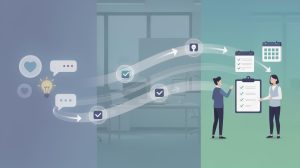
The notification piece matters as much as the detection itself. An alert that reaches an employee through their preferred channel-whether that’s a phone app, email, or a call from a health coach-generates exponentially higher engagement than generic notices buried in health plan materials. Employees respond when alerts feel personal and actionable, not when they feel like spam. A text message with a specific next step outperforms a generic wellness reminder every time.
Integration with existing health plans and benefits systems is non-negotiable. If alerts live in a separate platform disconnected from where employees actually manage their benefits, adoption tanks. The most effective implementations embed alerts directly into the tools employees already use daily (whether that’s a mobile app, a benefits portal, or SMS messages). When employees see a health recommendation in the same place they check their coverage or pay their premiums, they act on it.
Speed of Response Prevents Crisis
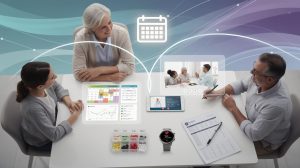
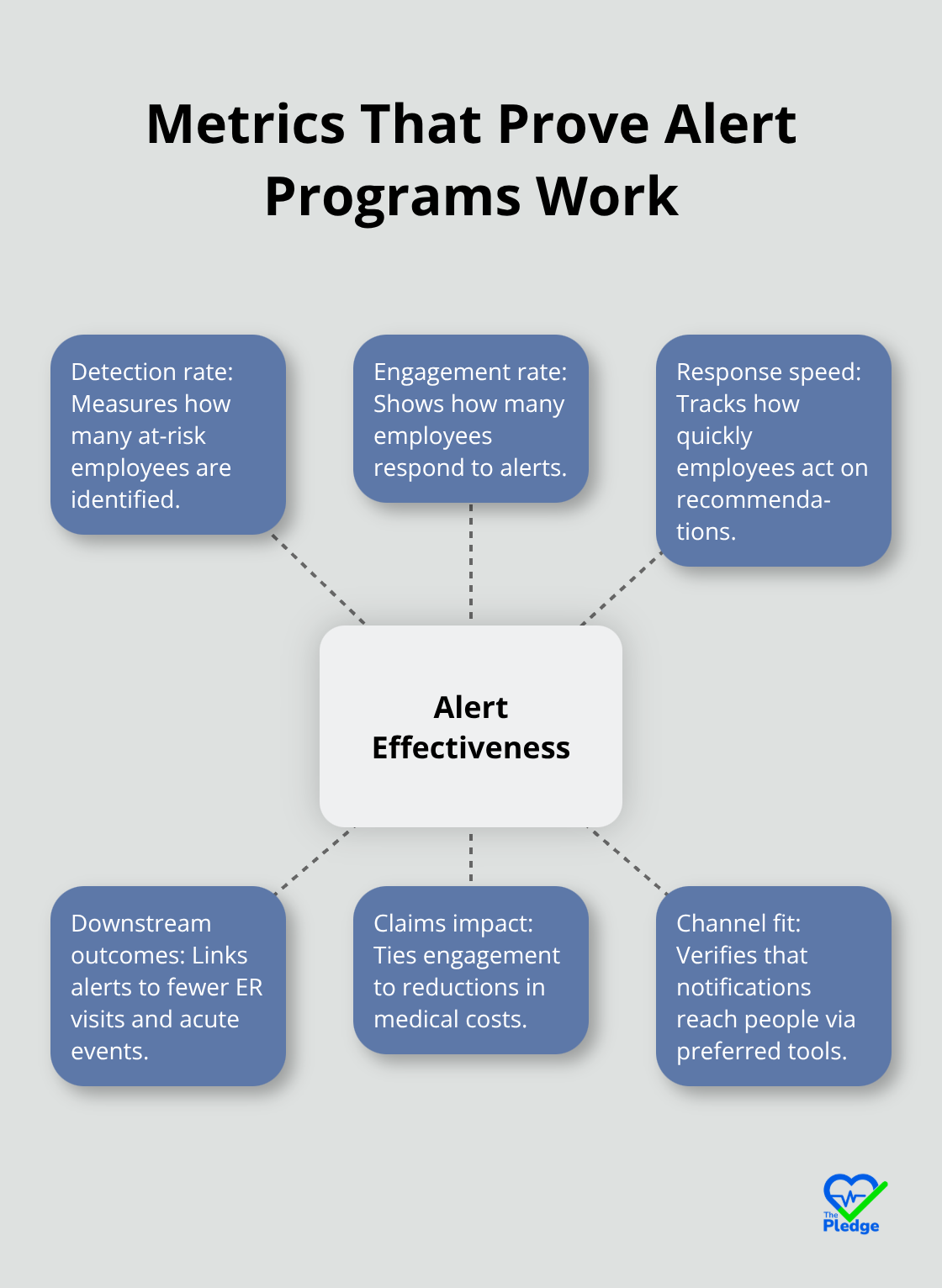
Response times matter critically. When an alert triggers, the fastest interventions happen within hours, not days. A nurse hotline call, a text with a specialist referral, or a coaching session scheduled immediately after detection prevents the at-risk employee from sliding further into crisis. Employers who measure alert effectiveness track not just detection rates but also engagement rates and the speed at which employees act on recommendations.
The goal isn’t to generate alerts; it’s to change behavior before health events occur. An alert that sits in an inbox for a week loses its power to intervene. An alert that connects an employee with support within hours shifts the trajectory of their health. This speed advantage compounds over time-employees who receive rapid, personalized interventions develop trust in the system and engage more consistently with future alerts.
Measuring What Actually Matters
Organizations that implement real-time health alerts should track engagement metrics alongside clinical outcomes. Detection rates tell you how many at-risk employees the system identifies. Engagement rates tell you how many actually respond. Response speed tells you whether your notification channels and support infrastructure work. Together, these metrics reveal whether your alert system actually changes health outcomes or just generates noise.
The most sophisticated implementations link alert response to downstream health events and claims data. When you can show that employees who engaged with an alert for hypertension had fewer cardiac events six months later, or that employees who responded to a diabetes alert reduced their emergency room visits, you’ve proven the system works. This data-driven approach transforms health risk alerts from a theoretical wellness initiative into a measurable cost-control strategy that justifies continued investment and expansion across your organization.
Practical Implementation and ROI for Your Organization
Set Alert Thresholds Based on Your Actual Health Profile
Effective health risk alerts require specificity, not guesswork. The first mistake employers make is treating all at-risk employees the same. Your thresholds should reflect your workforce’s actual health profile and your plan’s clinical priorities. If your claims data shows that hypertension and diabetes drive 40 percent of your medical costs, those conditions deserve tighter monitoring thresholds than lower-impact conditions. Start by analyzing your last three years of claims to identify which diagnoses, medications, and lab values correlate most strongly with high-cost events. Then set alert triggers based on those patterns. An A1C level of 6.5 might trigger an alert for one population but not another depending on existing diagnoses and medication use. The threshold that matters is the one that identifies employees you can actually help before a costly event occurs. Work with your health plan and data analytics team to define what at-risk actually means in your organization, not adopting generic industry benchmarks that may miss your specific risk drivers.
Track Engagement, Not Just Detection
Detection rates alone tell you nothing about impact. An alert system that identifies 500 at-risk employees but engages only 50 of them is mostly noise. Track engagement rates, speed of response, and downstream health outcomes. Did employees who responded to a hypertension alert have fewer emergency room visits six months later? Did those who engaged with a diabetes prevention alert reduce their medication costs? Link alert response directly to claims data, and you’ll see whether your system actually changes health trajectories or just generates activity.
Most employers should expect to see measurable cost reductions within 90 days of full implementation if the system is working. If you’re not seeing movement in claims or emergency utilization within that window, your thresholds are either too conservative, your notification channels aren’t reaching people, or your support infrastructure isn’t equipped to help employees act on alerts.
Calculate True ROI and Implementation Costs
The cost of implementation varies by platform and data integration complexity, but effective alert systems typically cost between 2 and 5 dollars per employee per month. That investment pays back immediately if you prevent even one high-cost hospitalization per 1,000 employees annually. When you’re evaluating platforms, demand proof that their clients achieve measurable engagement rates above 30 percent and can show claims reduction data from comparable employer populations. The standard formula is ROI = (Savings – Costs) / Costs. Any vendor unwilling to share those metrics is hiding poor results.
Final Thoughts
Health risk alerts work because they shift your organization from managing crises to preventing them. The employers seeing the biggest wins aren’t the ones with the most sophisticated technology-they’re the ones who treat alerts as the beginning of a conversation with employees, not the end of a detection process. Real engagement happens when employees trust that alerts come with actual support, not just warnings.
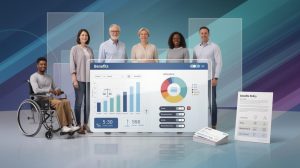
Employees who experience proactive health interventions develop stronger relationships with their benefits and their employers. They engage more consistently with future wellness initiatives, stay with your organization longer, and make healthier choices independently. A workforce that trusts its health benefits uses them more effectively, catches problems earlier, and costs less to cover.
Audit your current claims data to identify which health conditions drive your highest costs, then evaluate platforms that can monitor those specific risks in real time. The Pledge centralizes health data and delivers personalized reminders that keep employees engaged with preventative care, making it easier to act on health risk alerts when they arrive.