Medical records scattered across dozens of systems create real problems. Patients struggle to access their own data, providers waste time hunting for information, and security gaps multiply with every disconnected database.
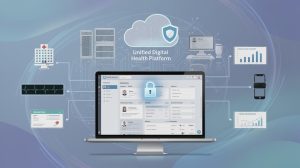
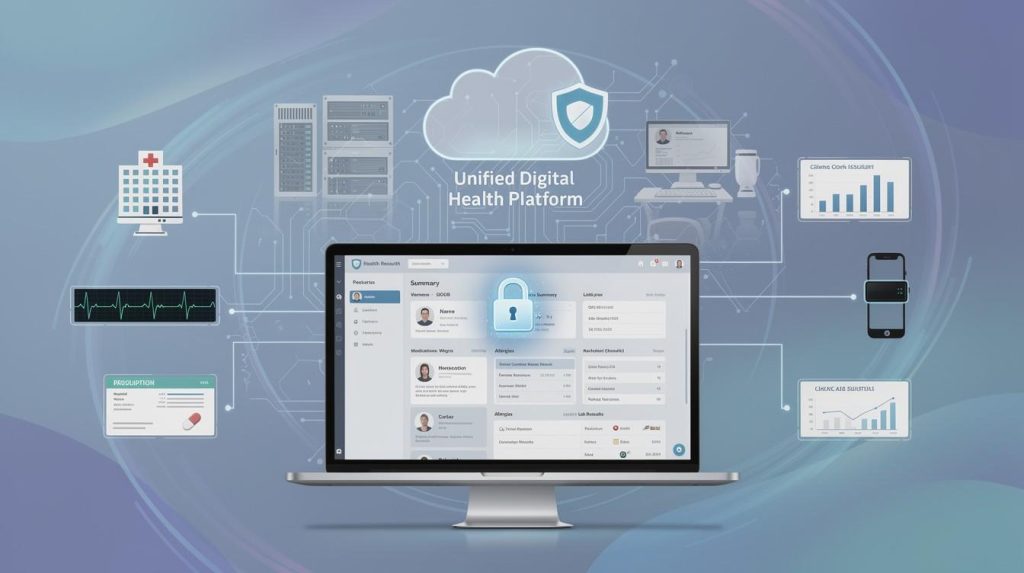
We at The Pledge believe secure medical records require a different approach. A unified digital health platform consolidates everything into one protected space, eliminating fragmentation while strengthening security and compliance.
Why Your Medical Records Are Stuck in Silos
Healthcare organizations operate on fragmented infrastructure that would be unacceptable in almost any other industry. A typical patient’s records exist across an emergency department system, a primary care clinic, a specialist’s office, a hospital network, and their insurance company-often with no connection between them.
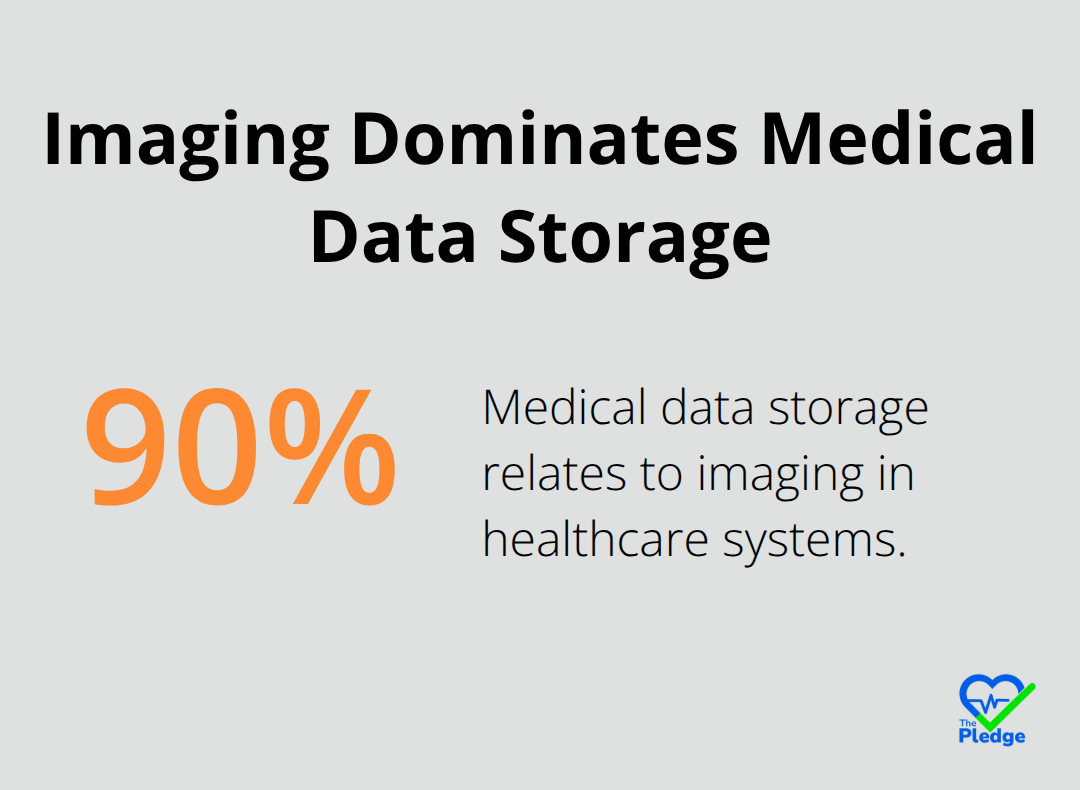
Roughly 90% of medical data storage relates to imaging alone, yet most health systems lack the infrastructure to share even basic clinical documents across facilities. This fragmentation directly undermines patient safety and operational efficiency.
The Cost of Disconnected Systems
The immediate consequence is wasted time and duplicated work. When a patient visits an urgent care clinic, staff cannot access records from their cardiologist visit last month. When a surgeon needs imaging results before scheduling an operation, administrative staff spend hours tracking down files instead of coordinating care. Patients repeat the same tests because previous results remain inaccessible, adding unnecessary costs and delaying treatment. Employers bear these costs directly through higher insurance premiums and lost employee productivity. Employees experience frustration navigating multiple patient portals, each with different login credentials and different versions of their health information.
The coordination gaps create real risks. Medication interactions go undetected when prescribers cannot see the full medication list. Critical allergies or contraindications remain unknown to treating physicians. A unified platform eliminates these blind spots by consolidating all patient information into one accessible location.
The Security Exposure From Scattered Systems
Decentralized data storage multiplies security vulnerabilities exponentially. Each disconnected system represents a separate attack surface requiring its own security controls, access management, and incident response procedures. When patient data lives in dozens of places, the organization must secure dozens of perimeters instead of one unified architecture. A breach in any single legacy system exposes protected health information, yet the organization has limited visibility into how well each system actually implements security standards.
Many healthcare organizations still maintain patient records on outdated systems running software versions that no longer receive security patches. The HIPAA Security Rule requires organizations to conduct thorough risk analyses and implement risk-based safeguards across all systems handling electronic protected health information, yet fragmented environments make comprehensive risk assessment nearly impossible.
How Consolidation Inverts the Risk Profile
A unified digital health platform inverts this risk equation. Instead of securing dozens of separate systems with inconsistent controls, an organization implements one comprehensive security architecture with consistent authentication, encryption, access controls, and audit logging across all patient data. Real-time integration means authorized providers see the same current information rather than stale copies cached in disconnected systems. AI-powered compliance monitoring automatically flags unusual access patterns or policy violations across the entire platform rather than checking each system independently.
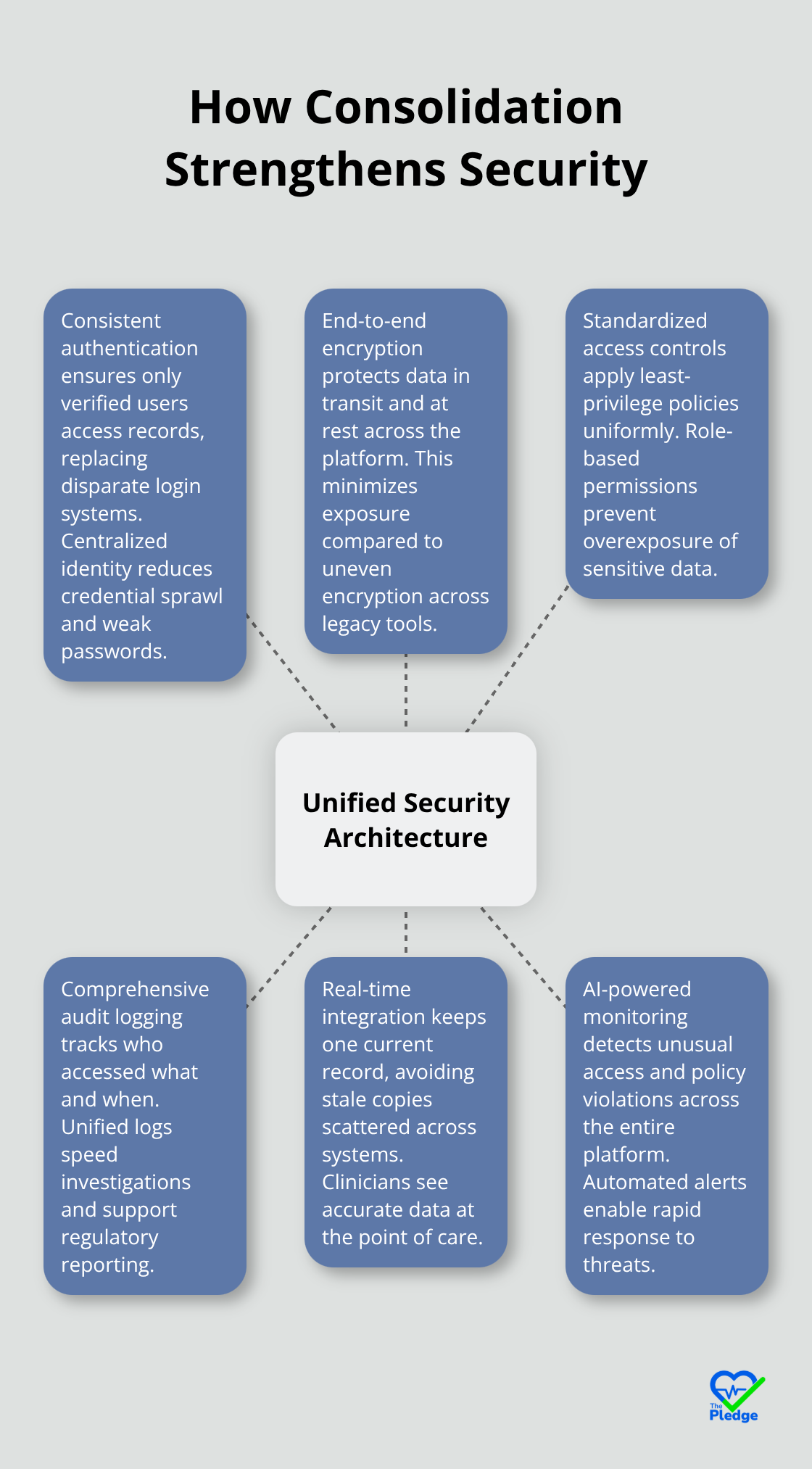
The platform approach also eliminates the manual data transfers and workarounds that create security gaps. When systems cannot talk to each other, staff resort to insecure methods like email, USB drives, or paper printouts to share information. A unified platform removes the need for these dangerous workarounds entirely, creating a more secure environment for sensitive health data.
Moving Toward Integrated Care Delivery
Organizations that consolidate their health data infrastructure position themselves to support modern care delivery models. Providers gain immediate access to complete patient histories, enabling faster clinical decisions and better coordination across specialties. Patients access their own information through a single portal rather than juggling credentials across multiple systems. The foundation for implementing such a platform requires careful planning around data standards, security architecture, and integration with existing systems-elements we’ll explore in the next section.
How Unified Platforms Consolidate Data and Strengthen Security
Creating a Single Source of Truth
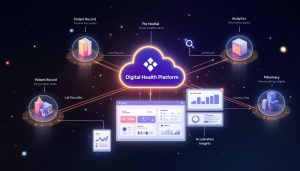
A unified digital health platform operates fundamentally differently from the fragmented systems most organizations still rely on. Instead of maintaining separate databases for claims, clinical records, imaging, pharmacy data, and employee benefits, the platform creates a single source of truth where authorized users access complete, current information through standardized APIs and data models. This architectural shift requires implementing common data standards like HL7 FHIR, SNOMED CT, and LOINC that enable semantic interoperability across previously disconnected systems. Organizations like Mayo Clinic have demonstrated this approach through their Platform, which integrates over 7.3 million de-identified patient records while maintaining strict privacy controls.
Real-Time Data Flow Replaces Manual Workarounds
The real advantage emerges when real-time data flow replaces batch transfers and manual workarounds. When a patient’s cardiologist updates a medication in the unified system, that change appears immediately to their primary care physician, their pharmacist, and the patient themselves through a single portal. This eliminates the dangerous delays and inconsistencies that plague fragmented environments. ServiceNow’s UDHP deployments at Novant Health and Sentara Healthcare reduced administrative bottlenecks significantly by standardizing workflows across previously isolated departments. The security architecture becomes measurably stronger because the organization implements one comprehensive access control system rather than managing dozens of inconsistent permission schemes.
Automated Compliance and Access Control
HIPAA’s Security Rule explicitly requires risk-based safeguards and regular assessments; a unified platform enables automated compliance monitoring across all data access rather than conducting separate audits for each legacy system. AI-powered oversight transforms how organizations detect and respond to security threats. The platform automatically flags unusual access patterns, monitors for policy violations, and generates detailed audit logs that satisfy regulatory requirements while providing visibility that decentralized systems cannot match. Employers gain direct visibility into which employees access what information and when, enabling rapid response to potential breaches. Employees benefit from knowing their sensitive health information sits behind consistent, modern security controls rather than scattered across systems of varying ages and capabilities.
Patient Control Through Consent Management
The platform’s ability to manage electronic consent registries and data processing agreements means patients retain genuine control over who sees their information, satisfying GDPR requirements and building trust that fragmented systems struggle to establish. This consent infrastructure (when properly implemented) transforms the relationship between patients and their healthcare providers by making data sharing transparent and revocable. Organizations that move from point solutions toward integrated architecture position themselves to support value-based care models, enable AI-driven clinical decision support, and dramatically reduce the operational overhead that fragmentation creates. The next section examines how employers and employees experience these benefits in practice, from streamlined access to measurable improvements in health outcomes.
What Employers and Employees Actually Gain From a Unified Platform
How Unified Systems Eliminate Administrative Waste
Employers implementing unified digital health platforms see measurable returns almost immediately. When health data consolidates into a single system, HR departments stop spending hours reconciling claims across multiple vendor portals and instead access real-time dashboards showing employee health trends, medication adherence rates, and preventive care completion. The administrative burden drops sharply because enrollment changes, benefit updates, and claims corrections flow through one integrated system rather than requiring manual entry across disconnected platforms. A typical mid-sized employer managing benefits for 500 employees wastes roughly 40 hours monthly on data reconciliation and duplicate entries-time that vanishes when systems talk to each other.
Simplifying Employee Access and Engagement
Employees stop juggling multiple logins and instead access their complete health picture-claims status, medication lists, provider contacts, appointment schedules, and family member information-in one place. This simplification drives measurable behavior change. When an employee can see their full medication history and upcoming specialist appointments in one dashboard, they take medications as prescribed more consistently and avoid duplicate testing.
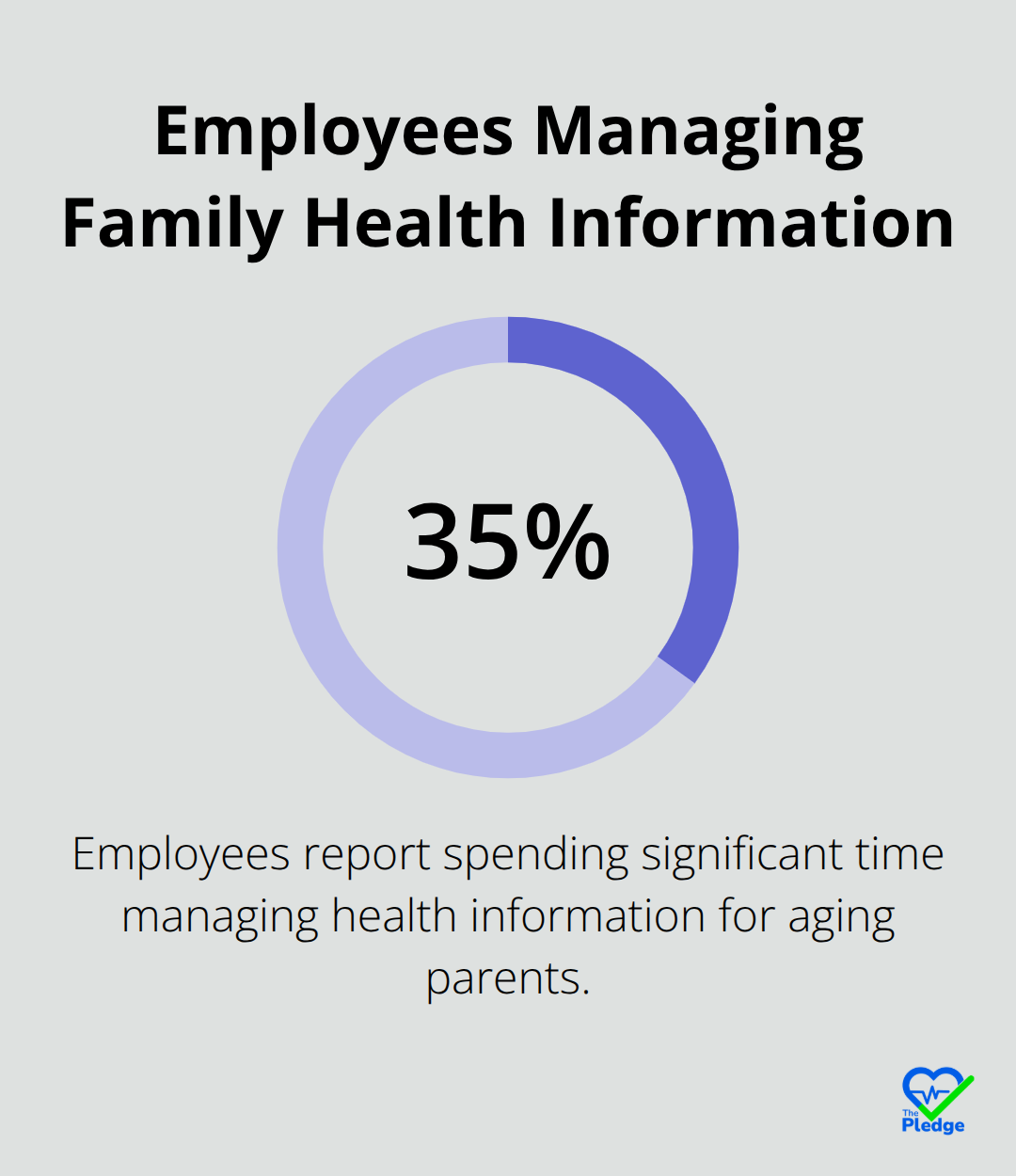
Unified platforms that include family coordination features let employees add spouses or aging parents, enabling coordinated care for households where one person manages health decisions for multiple family members. This matters because roughly 35% of employees report spending significant time managing health information for aging parents, and fragmented systems make this coordination nearly impossible.
Preventing Duplicate Testing and Unnecessary Costs
Cost reduction follows directly from operational efficiency and better health outcomes. Unified platforms eliminate the redundant testing that plagues fragmented systems-when a cardiologist orders imaging that a primary care clinic already performed three weeks earlier, neither system knew about the other. Real-time integration means providers see what tests have already happened, preventing expensive duplicates. Employers also see lower emergency room utilization because employees with complete health information at their fingertips catch problems earlier through preventive care rather than waiting until conditions become urgent.
Improving Health Outcomes Through Better Information Access
Employees engage more with their health when information feels manageable rather than overwhelming, and higher engagement correlates directly with better chronic disease management, lower hospital readmissions, and reduced disability claims. Organizations tracking these metrics report that unified platforms reduce overall healthcare spending through a combination of eliminated duplicate services, improved medication adherence, earlier intervention in chronic conditions, and reduced emergency utilization. The platform also surfaces which employees face the highest health risks, allowing employers to target intensive care coordination toward those who need it most rather than spreading resources equally across the entire workforce.
Final Thoughts
Fragmented healthcare systems impose real costs on employers, employees, and the healthcare system itself. Secure medical records consolidated into a unified digital health platform eliminate the coordination gaps, security vulnerabilities, and administrative waste that plague disconnected systems. Organizations that move toward integration gain immediate operational benefits while positioning themselves for the modern care delivery models that value-based healthcare demands.
Employees who access their complete health information through a single interface engage more consistently with preventive care, take medications as prescribed, and catch health problems earlier when interventions cost less and work better. Providers gain the visibility they need to coordinate care effectively across specialties and settings. The entire healthcare ecosystem becomes more efficient when data flows seamlessly rather than getting trapped in isolated systems.
Moving forward requires choosing a platform built on modern security architecture, interoperable data standards, and genuine commitment to patient control over health information. We at The Pledge have built a platform that centralizes vital medical information and real-time health metrics while maintaining the security controls that HIPAA and modern healthcare demand. Explore how The Pledge transforms your organization’s approach to health management.