
Your employees are juggling appointments with different doctors, each working in isolation. Medical records sit scattered across multiple systems, and nobody has a complete picture of their health.
At The Pledge, we’ve seen how care coordination for employees transforms this chaos into clarity. When healthcare providers communicate and share information, employees get better care and companies save money.
The Hidden Cost of Disconnected Healthcare
Fragmented healthcare systems drain employer budgets faster than most realize. When employees see multiple providers who don’t communicate, redundant tests happen regularly, unnecessary treatments pile up, and preventable complications emerge. Research from the Agency for Healthcare Research and Quality shows that uncoordinated care directly increases emergency room visits and hospital readmissions. Employers pay for these inefficiencies through higher claims, increased absenteeism, and lower productivity. An employee with diabetes who sees an endocrinologist, a primary care physician, and a cardiologist operating independently faces conflicting treatment advice and medication duplications. The pharmacy bill grows, side effects multiply, and the employee misses more work days managing the chaos.
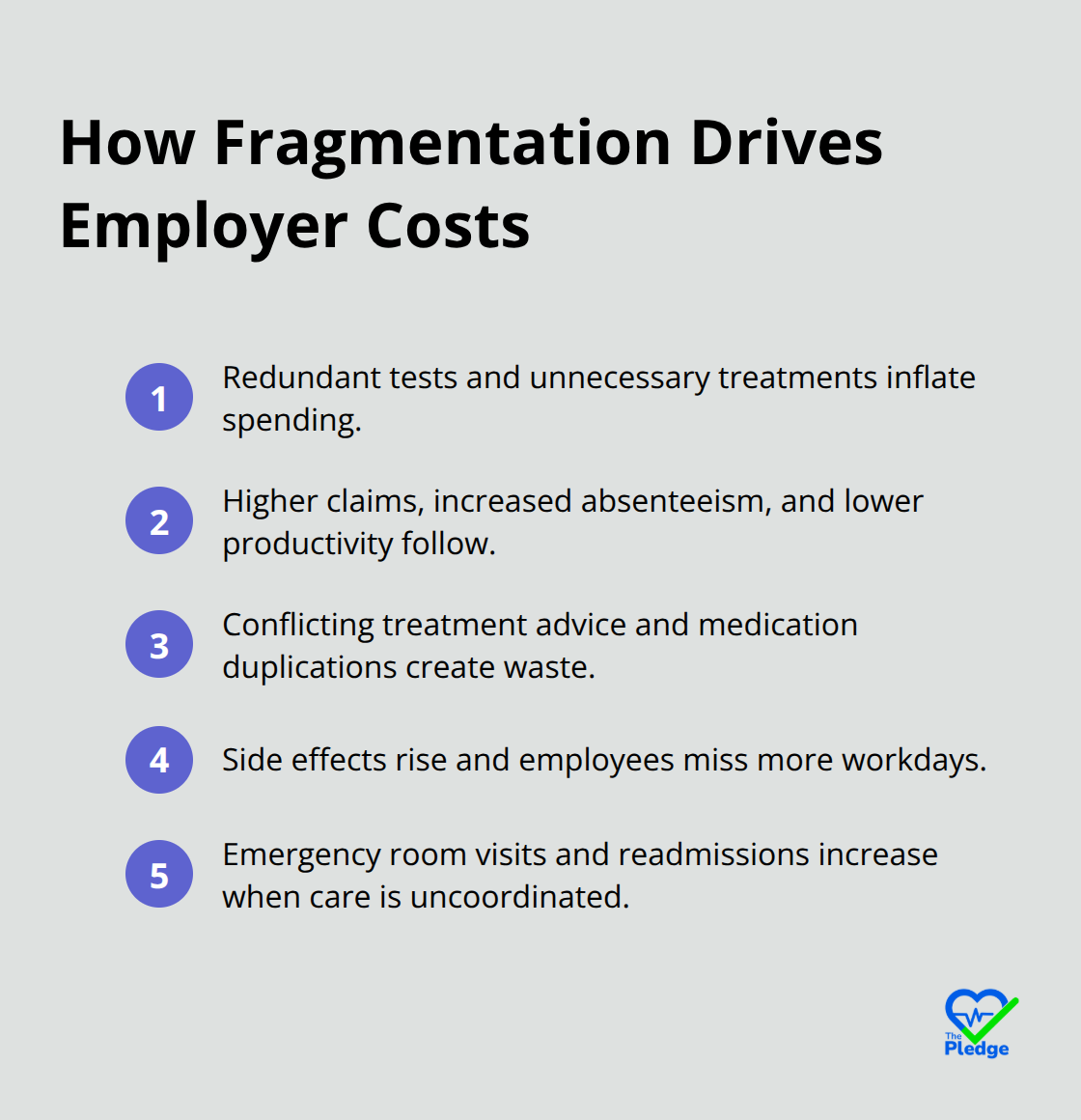
This fragmentation isn’t just a healthcare problem-it’s a business problem that hits your bottom line hard.
Employees Waste Time Navigating the System
Your workforce spends enormous energy coordinating their own care instead of focusing on their jobs. Employees must contact multiple offices for records, repeat medical histories across different systems, track appointment schedules across different providers, and follow conflicting medical advice. Without this support, employees default to passive navigation-they miss appointments, skip follow-ups, and delay treatment. This passive approach costs employers directly through lost productivity and indirectly through worsening health conditions that require more intensive (and expensive) interventions later. Active coordination-where someone helps employees schedule appointments, share records, and follow treatment plans-cuts through this friction dramatically.
Preventative Care Disappears in the Gaps
Uncoordinated systems excel at treating acute problems but fail at prevention. When providers don’t share information, nobody catches early warning signs. A patient with high blood pressure might skip preventative screenings because their primary care doctor never knows that the cardiologist already flagged risk factors. Preventative care requires continuity and oversight-exactly what fragmented systems cannot deliver. Employers lose the opportunity to identify at-risk employees before expensive conditions develop. Without comprehensive assessment, interventions miss the real barriers keeping employees sick. Centralized care coordination changes this equation and enables proactive interventions that prevent costly acute episodes.
How Coordination Shifts the Balance
The gap between fragmented and coordinated care represents a massive opportunity for employers. Coordinated systems identify at-risk employees early, prevent complications before they become expensive, and keep employees engaged in their own health. When providers share information and communicate with employees directly, treatment adherence improves, follow-up appointments happen on schedule, and employees understand their care plans. The infrastructure supporting this coordination-centralized data systems, active referral processes, and multidisciplinary teams-transforms how healthcare actually works in practice. Employers who implement these systems report shorter disability durations, fewer emergency interventions, and measurably better health outcomes. The question isn’t whether coordination matters; it’s how quickly your organization can move from fragmentation to a system where all stakeholders work toward the same health goals.
How The Pledge Connects Your Health System
Centralizing Data Across Your Care Network
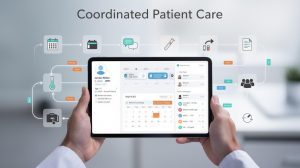
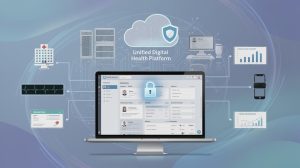
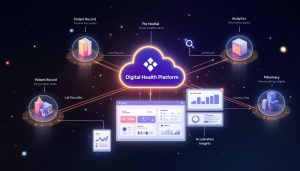
We at The Pledge built our platform to solve the exact problem fragmented healthcare creates. Our system centralizes all your health data in one place, pulls information directly from your insurance plans and medical records, and connects everyone involved in your care. When your primary care doctor, specialist, and pharmacy operate from the same information, treatment conflicts disappear and care actually moves forward. Your family members can access relevant health information through our Family Share feature, keeping loved ones informed without creating privacy problems. The difference shows up immediately: employees stop repeating their medical history across different offices, providers make decisions based on complete information rather than guesses, and preventative care actually happens instead of falling through cracks.
Real-Time Communication That Eliminates Delays
Our AI-powered technology sends you personalized reminders about upcoming appointments, medication refills, and preventative screenings tailored to your specific health needs. Real-time updates flow between providers and employees, eliminating the delays and miscommunications that plague disconnected systems. The centralized dashboard gives you immediate visibility into your health status, upcoming care needs, and progress toward health goals.
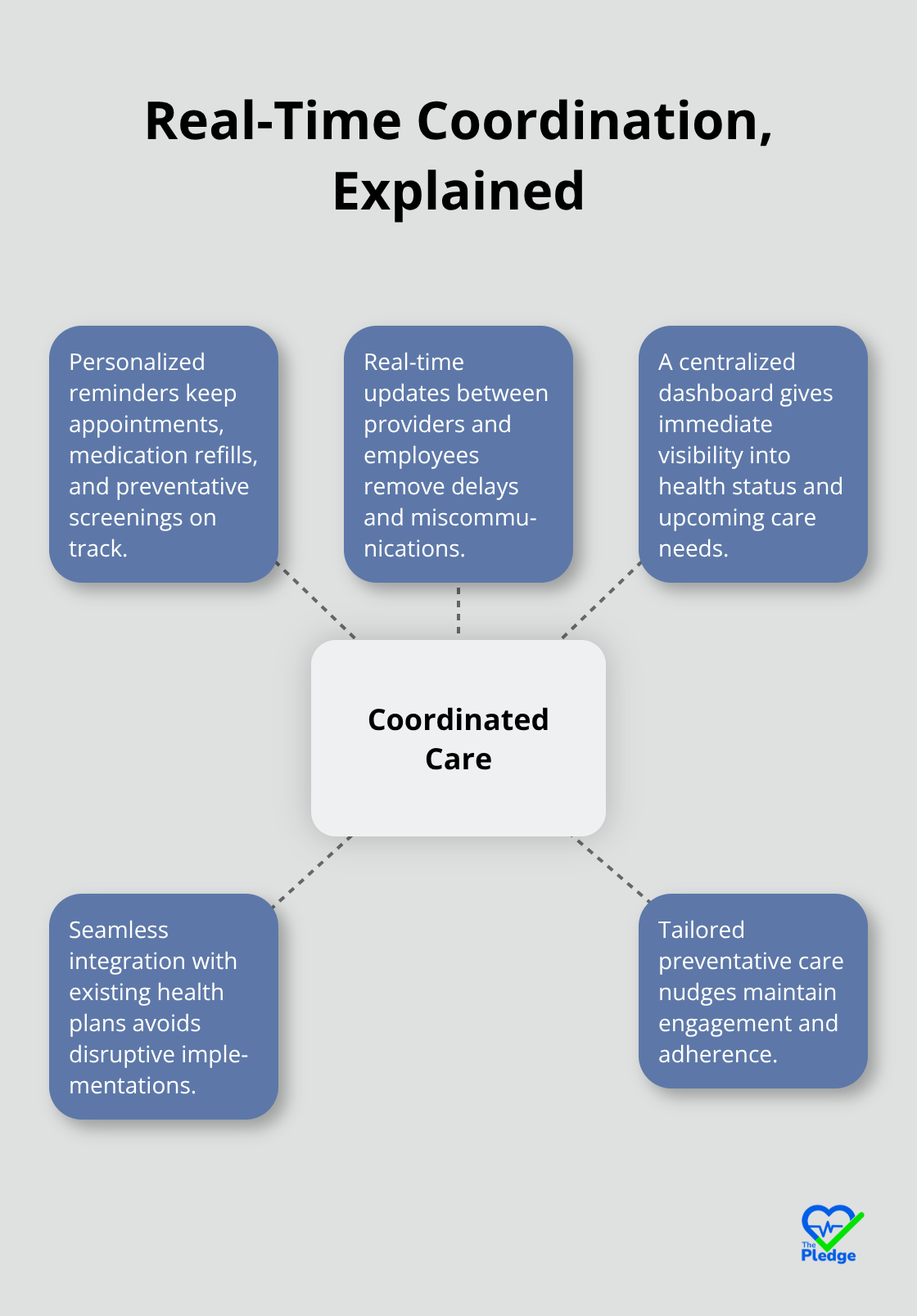
We’ve engineered our platform to integrate seamlessly with existing health plans and benefits, so implementation doesn’t require ripping out your current infrastructure.
Engagement That Drives Measurable Results
When employees engage with a centralized data systems that actively reminds them about preventative care and coordinates their appointments, treatment adherence improves measurably. A systematic review of care coordination programs showed that programs using active referrals and in-person engagement achieved better outcomes than those relying on passive approaches. Employers implementing coordinated care systems report shorter disability durations and reduced emergency room visits. Our platform handles the heavy lifting of care navigation so your employees can focus on their jobs instead of managing administrative chaos. Data sharing happens securely within privacy protections, and the system tracks which interventions drive results so you can continuously improve your approach.
Moving From Awareness to Action
The infrastructure supporting this coordination-centralized data systems, active referral processes, and real-time communication-transforms how healthcare actually works in practice. Employers who implement these systems report measurably better health outcomes and lower costs. The question now shifts from whether coordination matters to how your organization can measure the financial and health impact of moving from fragmentation to a unified system where all stakeholders work toward the same goals.
What Results Do Employers Actually See
Cost Reductions From Eliminating Redundancy
Coordinated care systems deliver measurable financial returns that go well beyond theoretical projections. Employers implementing care coordination report reductions in emergency room visits, shorter disability durations, and lower workers’ compensation claims. These outcomes translate directly to lower healthcare spending and reduced absenteeism. When employees receive help scheduling appointments and coordinating between providers, treatment adherence improves significantly. This adherence directly reduces preventable hospitalizations and expensive acute interventions. Employers see cost reductions through elimination of duplicate tests and procedures when providers access complete medical histories, and through prevention that stops expensive conditions from developing.
Chronic Disease Management Improves Outcomes
Organizations that prioritize coordinated care report better control of chronic conditions like diabetes and hypertension, which translates to fewer complications and lower ongoing treatment costs. A systematic review examining care coordination programs found that programs using active referrals and in-person engagement achieved better outcomes than those relying on passive approaches. The infrastructure supporting this coordination-centralized data systems, real-time communication, and active referral processes-creates measurable shifts in how healthcare spending flows.
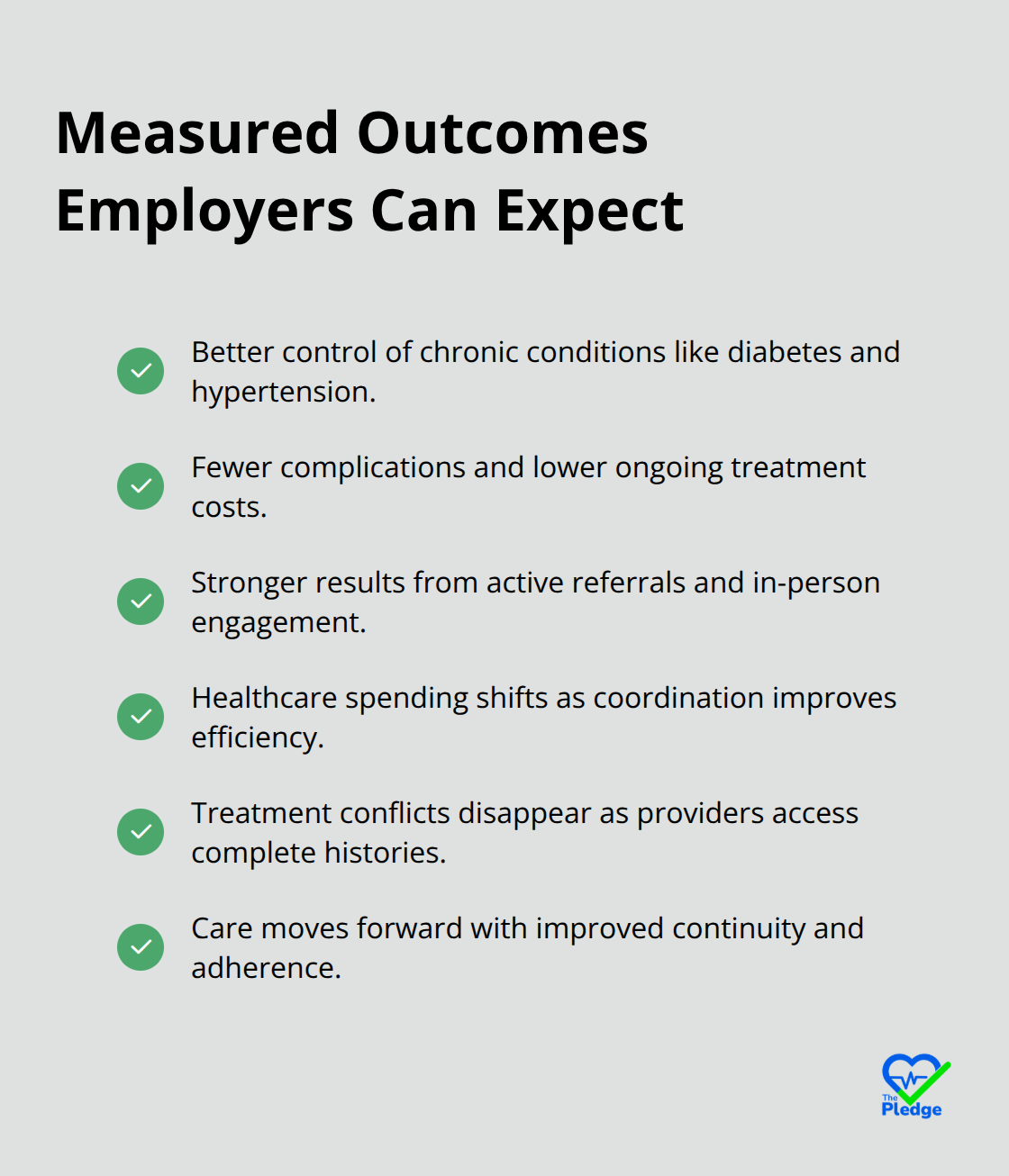
When providers access complete medical histories, treatment conflicts disappear and care actually moves forward. Employees with coordinated care plans experience faster recovery times from injuries and illnesses, meaning shorter absences and faster return-to-work.
Productivity Gains From Reduced Healthcare Friction
Productivity gains emerge when employees spend less time managing healthcare logistics and more time focused on work. A care coordination program that eliminates appointment scheduling chaos, reduces treatment delays, and prevents preventable complications keeps employees at full capacity instead of managing medical fragmentation. Research from the Agency for Healthcare Research and Quality demonstrates that uncoordinated care directly increases emergency room visits and hospital readmissions-costs that employers absorb through claims and lost productivity. Organizations moving from fragmented to coordinated systems should expect improved employee satisfaction with healthcare navigation, better management of chronic conditions, and reduced stress around accessing care. High engagement rates with coordinated platforms correlate with measurably better health outcomes and lower healthcare costs.
Final Thoughts
Care coordination for employees transforms how organizations manage healthcare costs and employee wellbeing simultaneously. Organizations that continue operating with fragmented systems pay a premium for inefficiency while competitors move faster and smarter. The evidence shows that coordinated care reduces emergency room visits, shortens disability durations, and keeps employees engaged in their own health instead of drowning in administrative chaos.
We at The Pledge built our platform to solve this exact problem through AI-powered systems that centralize health data, send personalized reminders about preventative care, and enable real-time communication between providers and employees. Providers access complete medical histories instead of working in isolation, so treatment conflicts disappear and care actually moves forward. Your employees experience faster recovery times from injuries and illnesses, which means shorter absences and faster return-to-work.
Organizations implementing coordinated care report lower healthcare spending, reduced absenteeism, and better control of chronic conditions. Moving from fragmentation to a unified system where all stakeholders work toward the same health goals transforms both your bottom line and your employees’ quality of life. The Pledge delivers the infrastructure to make this transition seamless, integrating with your existing health plans without requiring a complete overhaul of your current systems.