
At The Pledge, we know that promoting workplace wellness is more than just a trend-it’s a necessity for modern businesses.
A well-designed wellness program can boost productivity, reduce healthcare costs, and create a positive company culture.
In this post, we’ll show you how to promote workplace wellness effectively, covering key components and implementation strategies.
Why Workplace Wellness Matters
Workplace wellness transforms organizations. It’s not just a trend-it’s a necessity for modern businesses. Let’s explore the compelling reasons behind its importance.
Productivity and Job Satisfaction Skyrocket
Healthy employees produce more. A study investigated the characteristics of workplace wellness programs, their prevalence, and their impact on employee health and medical costs. This research highlights the potential benefits of comprehensive wellness initiatives in the workplace.
But it’s not just about attendance. Wellness programs spark innovation and dedication. The Harvard Business Review reports a potential 14% increase in employee satisfaction through these initiatives. This boost in morale directly impacts output and creativity.
Healthcare Costs Plummet
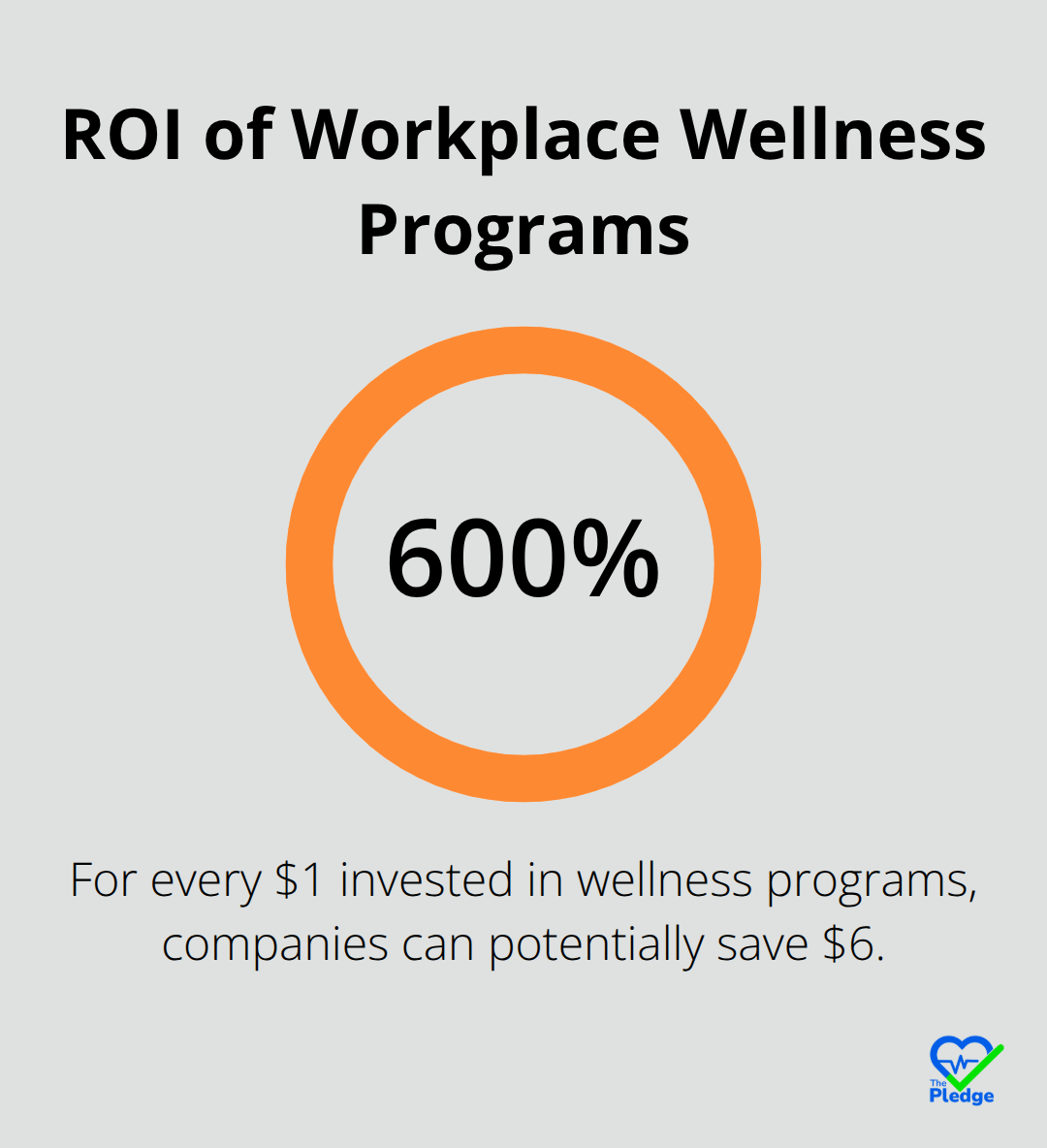
Employers, take note: The Centers for Disease Control and Prevention (CDC) estimates a potential $6 savings for every $1 invested in wellness programs. That’s a 600% return on investment!
How? Preventive care catches health issues early, reducing expensive treatments later. Plus, healthier employees cost less to insure. One large company (a client of a leading wellness platform) saw their healthcare costs drop by 7% in just one year after implementing a comprehensive program.
Company Culture Becomes Magnetic
A robust wellness program doesn’t just benefit current staff-it attracts top talent. In a competitive job market, offering comprehensive wellness benefits can be the deciding factor for star candidates.
Moreover, wellness initiatives foster community. When employees participate in fitness challenges or nutrition workshops together, they build stronger relationships. This leads to improved teamwork and a more positive work environment overall.
Tailored Solutions for Maximum Impact
The most successful wellness programs adapt to each organization’s unique needs. Companies should work closely with wellness experts to design initiatives that resonate with their specific workforce.
Prioritizing employee health and well-being isn’t just the right thing to do-it’s a strategic move for long-term success. It’s an investment that yields dividends in productivity, cost savings, and a thriving company culture.
Now that we understand the importance of workplace wellness, let’s explore the key components that make these programs successful.
Building Blocks of Effective Workplace Wellness
Comprehensive Health Assessments
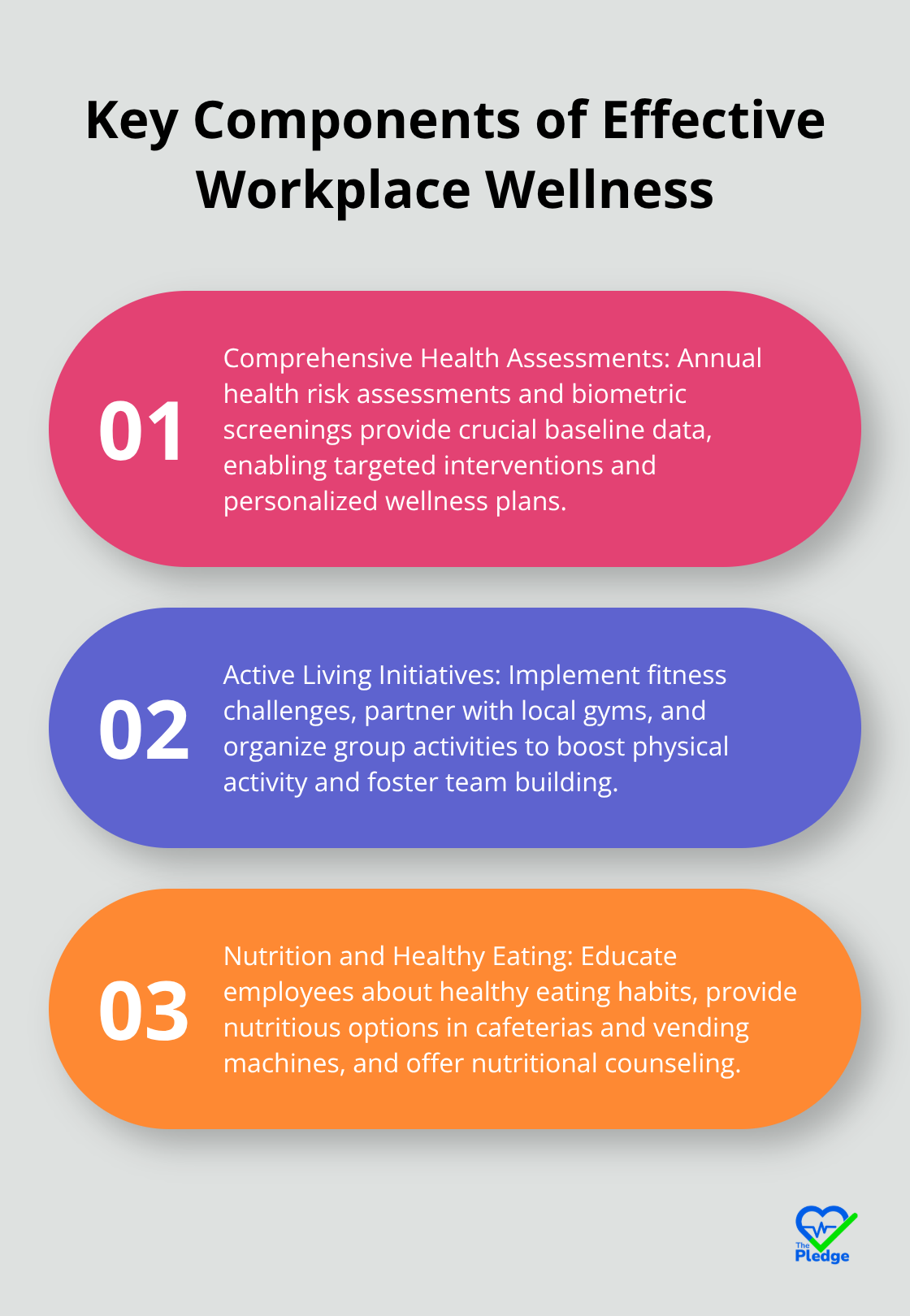
A solid wellness program starts with understanding your workforce’s health. Annual health risk assessments and biometric screenings provide crucial baseline data. These assessments typically measure blood pressure, cholesterol, body mass index, and glucose levels.
The American Journal of Health Promotion found that organizations using health risk assessments saw a 3.3% reduction in employee health costs over four years. This data enables targeted interventions and personalized wellness plans.
Active Living Initiatives
Physical activity forms the foundation of wellness. Implement fitness challenges that appeal to various interests and abilities. For example, step challenges using wearable devices can boost engagement. One large tech company reported a 57% increase in physical activity among employees after introducing a company-wide fitness challenge.
Try partnering with local gyms for discounted memberships or bringing fitness classes on-site. Lunchtime walking groups or after-work sports leagues can foster both health and team building.
Nutrition and Healthy Eating
Poor nutrition impacts productivity and increases healthcare costs. Educate employees about healthy eating habits through workshops, cooking demonstrations, and one-on-one nutritional counseling.
Make it easy for employees to choose wisely. Stock vending machines with healthy snacks and ensure cafeteria menus include nutritious options. One hospital system saw a 10% increase in healthy food purchases after implementing a “traffic light” labeling system in their cafeteria.
Mental Health and Stress Management
Mental health equals physical health in importance. Offer stress management workshops, mindfulness training, and access to mental health professionals. Consider implementing an Employee Assistance Program (EAP) for confidential counseling services.
Decent work can contribute to recovery and inclusion, improve confidence and social functioning for people with mental health conditions. This underscores the importance of prioritizing mental well-being in the workplace.
Customization and Feedback
A successful wellness program doesn’t follow a one-size-fits-all approach. Tailor these components to your organization’s unique needs and culture. Regular feedback and adjustments (through surveys and focus groups) maintain engagement and achieve long-term health improvements.
The next chapter will explore effective strategies for implementing and promoting these wellness initiatives within your organization.
How to Launch and Sustain Effective Wellness Programs
Secure Leadership Buy-In
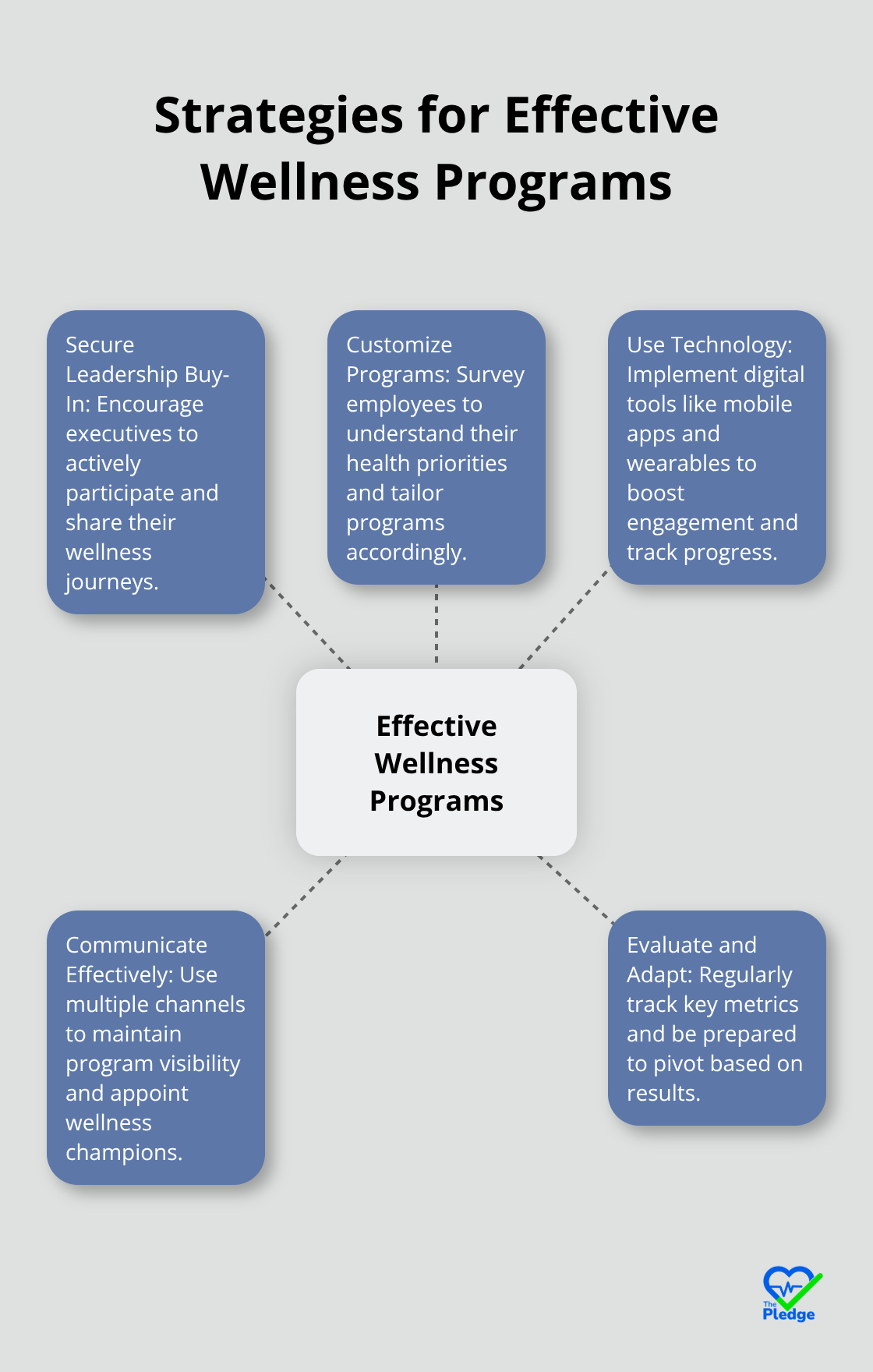
Start at the top. When executives actively participate in wellness programs, employee engagement soars. A randomized controlled trial of workplace well-being programs involving over 30,000 workers in the U.S. found minimal effects on outcomes. Encourage C-suite executives to share their wellness journeys and participate in company-wide challenges.
Customize Programs for Your Workforce
Generic approaches fail. Survey your employees to understand their health priorities and preferences. A manufacturing company discovered their night shift workers wanted sleep improvement resources. After implementing a sleep hygiene program, they saw a reduction in workplace accidents.
Use Technology to Boost Engagement
Digital tools make participation fun and accessible. Mobile apps and wearables simplify health metric tracking. A study examined how activity tracking technology, prizes, and communication affect wellness program participants’ perceived health and their engagement.
Try implementing a points-based system where employees earn rewards for hitting health milestones. A tech startup gamified their wellness program and saw participation increase.
Communicate Effectively and Creatively
Keep wellness initiatives in the spotlight. Use multiple channels to maintain program visibility. Send personalized email reminders, post success stories on company social media, and create eye-catching posters for common areas.
Pro tip: Appoint wellness champions in each department. These volunteers can generate excitement and provide peer support.
Evaluate and Adapt Regularly
Consistent evaluation drives success. Track key metrics like participation rates, health outcomes, and employee feedback. Prepare to pivot based on results. A large insurance company initially focused on weight loss challenges. When data showed minimal impact, they shifted to stress reduction programs and saw employee satisfaction scores increase.
Final Thoughts
Workplace wellness transforms organizations. It boosts productivity, reduces healthcare costs, and creates a positive company culture. Organizations that prioritize employee well-being often attract top talent and enhance retention rates. These programs foster a sense of community and shared purpose, leading to a more vibrant work environment.
The journey to promote workplace wellness never ends. What works today may need adjustment tomorrow as employee needs and health trends evolve. Successful programs require continuous evaluation, feedback, and adaptation. Regular surveys, health metrics tracking, and open communication channels keep wellness initiatives relevant and effective.
The Pledge offers a comprehensive solution to simplify and centralize health management for employees and employers. It empowers individuals to take control of their wellness journey while helping organizations promote workplace wellness effectively. The Pledge leverages AI-powered technology (integrating seamlessly with existing health plans) to create a healthier, happier, and more productive workforce ready for tomorrow’s challenges.
![[Guide] Incentives That Drive Preventive Health Participation](https://thepledge.app/wp-content/uploads/emplibot/Guide_-Incentives-That-Drive-Preventive-Health-Participation_1783650286-300x168.jpeg)