
At The Pledge, we’ve seen firsthand how the right patient engagement platform can transform healthcare delivery.
The digital health landscape is evolving rapidly, with innovative solutions emerging to address the growing demand for personalized, accessible care.
Selecting a high-engagement platform is crucial for healthcare providers looking to improve patient outcomes and reduce costs.
This post will guide you through the key features to look for and strategies for successful implementation.
What Makes a Patient Platform Truly Engaging?
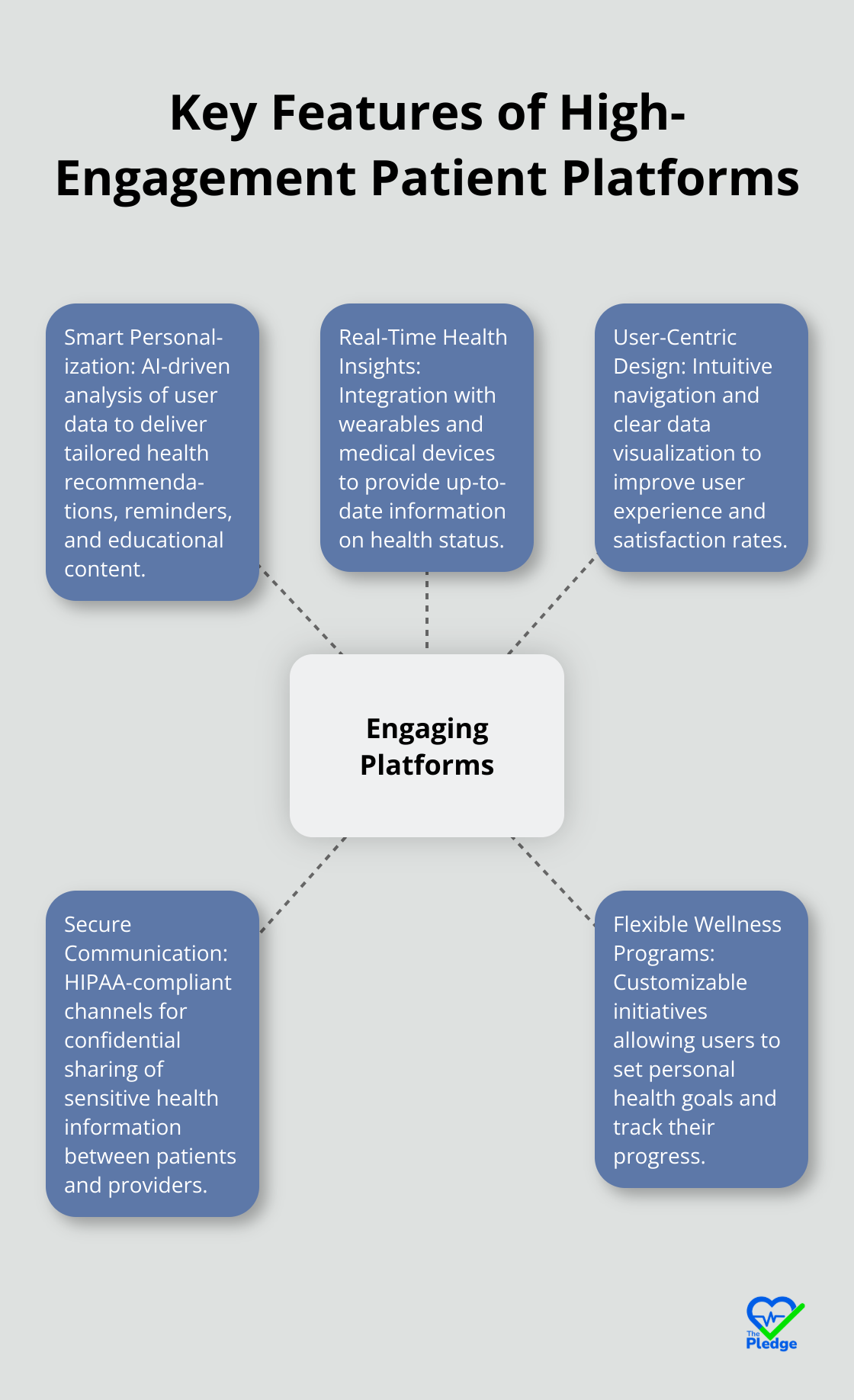
At The Pledge, we’ve identified key features that set high-engagement patient platforms apart. These elements create a seamless, personalized experience that keeps users coming back.
Smart Personalization
AI-driven personalization stands at the heart of effective patient engagement. Top platforms analyze user data to deliver tailored health recommendations, reminders, and educational content. This level of customization can enhance patient satisfaction and health outcomes while reducing administrative burden and no-shows.
Real-Time Health Insights
The integration of real-time health data is essential. Platforms that connect with wearables and medical devices provide users with up-to-date information on their health status. Recent studies provide robust evidence of the positive impact of telemedicine and remote patient monitoring on healthcare delivery.
User-Centric Design
A user-friendly interface is non-negotiable. Mobile accessibility is particularly important, as many patients prefer to access health information on their smartphones. Intuitive navigation and clear data visualization can improve user experience, potentially leading to higher satisfaction rates.
Secure Communication
Robust, HIPAA-compliant communication channels are vital. Patients need to feel confident when sharing sensitive health information. Platforms with secure messaging features can enhance patient-provider communication, which may lead to better care coordination and outcomes.
Flexible Wellness Programs
Customizable wellness programs allow users to set personal health goals and track their progress. Platforms offering this flexibility may see higher completion rates for wellness initiatives compared to one-size-fits-all approaches.
The incorporation of these features significantly enhances the healthcare experience. As we move forward, it’s important to consider how these engaging elements translate into measurable results. Let’s explore the methods for evaluating the effectiveness of patient platforms in the next section.
Measuring Success: Key Metrics for Patient Platforms
At The Pledge, we understand that selecting a high-engagement patient platform is only the beginning. The real challenge lies in measuring its effectiveness and impact on your organization. Let’s explore the critical metrics and analysis methods that can help you evaluate the success of your patient engagement efforts.
Engagement Rates: The North Star Metric
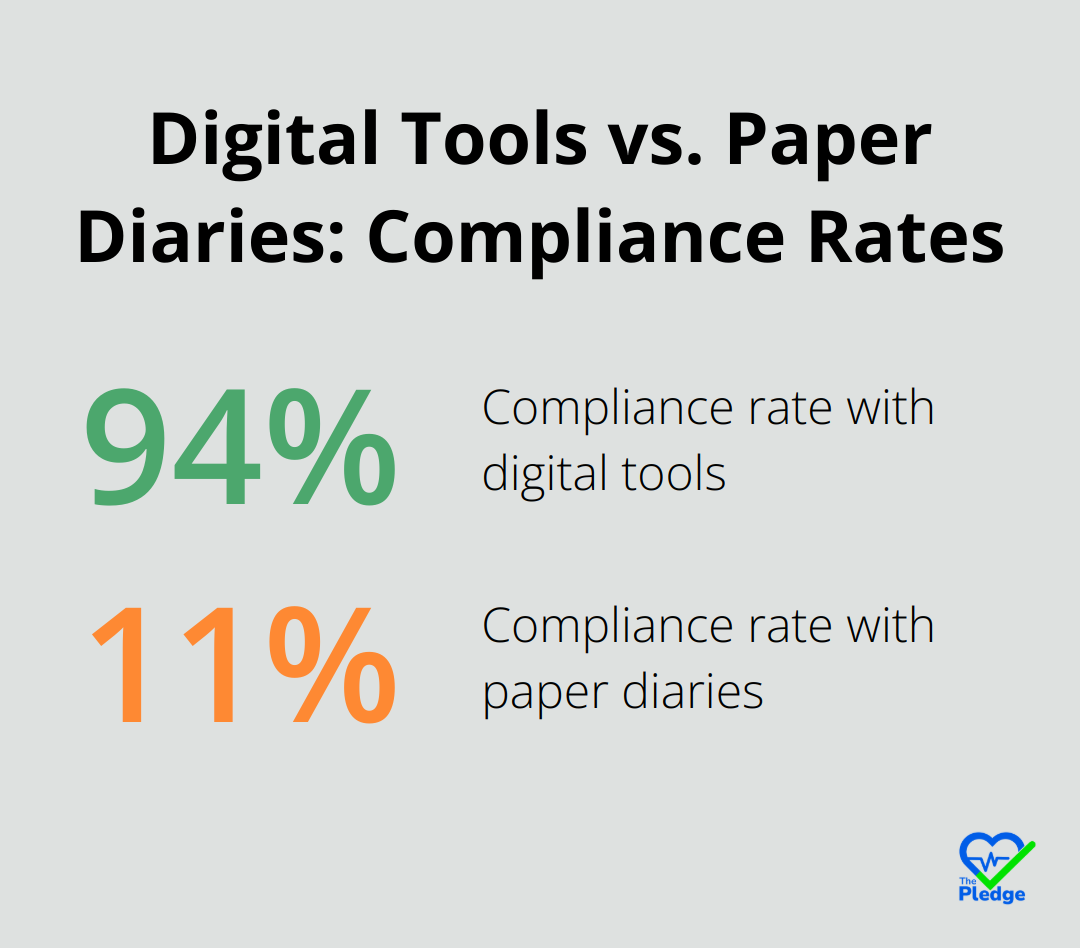
Engagement rates form the cornerstone of platform effectiveness. Studies show 94% compliance rates with digital tools versus just 11% with paper diaries. Key metrics to monitor include:
- Daily active users (DAU) and monthly active users (MAU)
- Time spent on the platform
- Frequency of logins
- Completion rates for health assessments and educational modules
ROI for Stakeholders
For employers and health plans, return on investment (ROI) is paramount. The most effective platforms demonstrate:
- Reduced healthcare costs
- Decreased absenteeism
- Improved productivity
User Satisfaction and Retention
High user satisfaction leads to better retention rates, which are essential for long-term success. Key indicators include:
- Net Promoter Score (NPS)
- User reviews and ratings
- Churn rate
Satisfied users are more likely to actively engage with the platform and follow through with their health plans.
Health Outcome Improvements
The ultimate goal of any patient engagement platform is to improve health outcomes. Effective platforms should demonstrate:
- Reduction in chronic disease metrics (e.g., lower A1C levels for diabetics)
- Increased adherence to medication and treatment plans
- Higher rates of preventive care utilization
Cost Reduction Analysis
To truly understand the impact of a patient platform, conduct a comprehensive cost reduction analysis. This should include:
- Emergency room visit reductions
- Decreased hospital readmissions
- Lower costs for chronic disease management
These key metrics provide healthcare leaders with the tools to make data-driven decisions about their patient engagement strategies. The most successful platforms will show improvements across all these areas, leading to healthier patients and a more efficient healthcare system. As we move forward, it’s important to consider how to implement these high-engagement platforms successfully within your organization.
How to Successfully Launch Your Patient Platform
Align Your Platform with Organizational Goals
Define clear objectives for your patient platform. Focus on specific targets such as reducing hospital readmissions, improving chronic disease management, or enhancing preventive care. Your goals will shape your platform selection and implementation strategy.
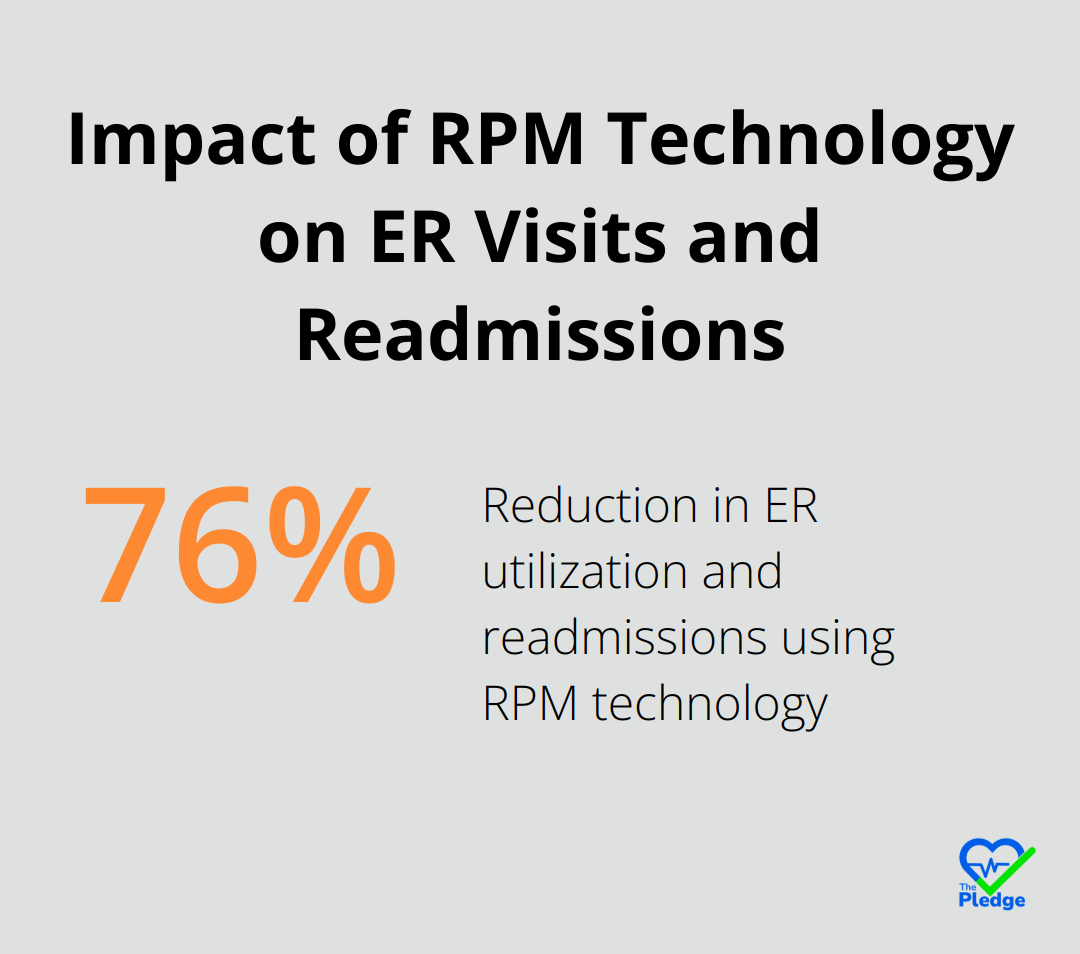
For instance, if you prioritize readmission reduction, select platforms with strong post-discharge monitoring features. A University of Pittsburgh Medical Center study found that using RPM technology reduced ER utilization and readmissions by 76%.
Select a Provider That Fits Your Needs
Evaluate platform providers based on their implementation track record, integration capabilities, and ongoing support. Look beyond flashy features to find a solution that truly meets your needs.
Request case studies and references from organizations similar to yours. If you run a multi-specialty clinic, seek providers experienced with comparable healthcare models.
Consider a pilot program to test the platform’s effectiveness and user acceptance before full-scale implementation.
Prepare Your Team for Success
Develop a comprehensive training program that covers both technical aspects and alignment with patient care goals. This approach ensures staff understand not just how to use the platform, but why it matters.
Appoint “platform champions” within each department to provide peer support and encourage adoption. Research indicates peer-led training can improve healthcare professionals’ training and professional development through tailored e-learning programs.
Ensure Seamless Integration
Integrate your new platform smoothly with existing systems, particularly your Electronic Health Record (EHR). This integration reduces data entry duplication and improves workflow efficiency.
Collaborate with your IT department and the platform provider to map integration points and data flows. This process may involve creating custom APIs or using existing integration tools.
Craft a Compelling Communication Strategy
Create a multi-channel plan to introduce the platform to patients. Use email, text messages, in-office signage, and direct communication from healthcare providers to promote platform benefits.
Emphasize features that address common patient pain points (e.g., online appointment scheduling to save time and reduce wait times).
Offer incentives for early adopters. Some healthcare organizations have seen an increase in initial sign-ups by offering small rewards for patients who activate their accounts within the first month.
Final Thoughts
High-engagement patient platforms transform healthcare delivery through personalized experiences and data-driven insights. These tools combine AI-driven personalization, real-time health data integration, and user-friendly interfaces to keep patients actively involved in their health journey. Healthcare leaders must monitor key metrics to maximize the impact of their patient engagement efforts and continually refine their strategies.
The future of patient engagement technology promises even more sophisticated AI algorithms and enhanced integration with wearable devices. These advancements will empower patients to take control of their health while enabling providers to deliver more targeted, efficient care. Implementing a robust patient engagement platform is now essential for healthcare organizations to improve outcomes, reduce costs, and enhance overall satisfaction.
The Pledge is committed to transforming the healthcare experience through our innovative digital health platform. Our AI-powered solution simplifies care navigation, promotes preventative care, and integrates seamlessly with existing health plans (centralizing health data and providing real-time updates). We empower both employees and employers to take control of their wellness journey, creating a healthcare system that truly puts patients first.