

Telehealth has become a cornerstone of modern healthcare delivery. At The Pledge, we’ve witnessed firsthand the transformative power of robust telehealth integration platforms.
These platforms bridge the gap between patients and providers, offering seamless connectivity across fragmented healthcare systems. Choosing the right telehealth integration platform is crucial for healthcare organizations looking to enhance patient care and streamline operations.
Why Robust Telehealth Integration Matters
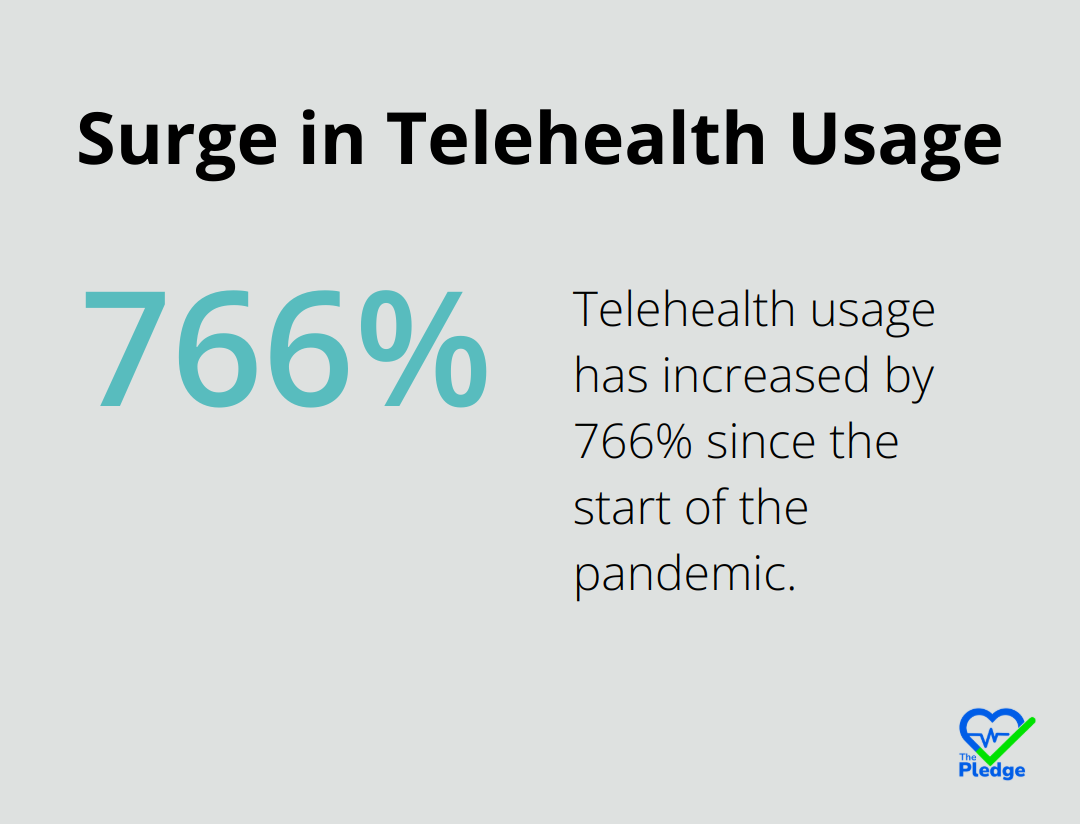
The surge in remote healthcare services has reshaped the medical landscape. Telehealth usage has increased by 766% since the start of the pandemic. This shift isn’t just a trend; it represents a fundamental change in healthcare delivery and access.
Overcoming Fragmentation in Healthcare
Fragmented healthcare systems pose significant challenges. Interoperability issues remain a significant concern for hospitals. This fragmentation results in inefficiencies, increased costs, and compromised patient care.
Robust telehealth integration platforms address these issues head-on. They connect disparate systems and ensure seamless data flow. For instance, a platform that integrates with electronic health records (EHRs) can reduce data entry errors and improve efficiency.
Tangible Benefits for Patients and Providers
The benefits of seamless telehealth integration are substantial and measurable.
For patients, it means:
- Faster access to care: Telehealth integration can reduce wait times for specialist appointments.
- Improved health outcomes: Continuous monitoring and data sharing lead to more timely interventions.
- Enhanced patient engagement: User-friendly interfaces and personalized health dashboards increase patient participation in their care.
For providers, the advantages are equally significant:
- Streamlined workflows: Integrated platforms can save healthcare providers time on administrative tasks.
- Better decision-making: Access to comprehensive patient data enables more informed clinical decisions.
- Increased efficiency: Telehealth integration can boost practice efficiency, allowing providers to see more patients without compromising care quality.
The Role of AI in Telehealth Integration
Artificial Intelligence revolutionizes telehealth integration. AI-powered platforms can:
- Predict patient needs based on historical data and current health metrics.
- Automate appointment scheduling and reminders.
- Provide real-time language translation, breaking down communication barriers in diverse patient populations.
The Future of Integrated Telehealth
As we look ahead, the ability to effectively integrate telehealth services will become a key differentiator for healthcare providers. It will play a vital role in improving patient outcomes and streamlining healthcare delivery.
The next chapter will explore the key features that make a telehealth integration platform truly robust and effective. These features form the backbone of a system that can transform healthcare delivery and patient experiences.
Key Features of a Robust Telehealth Integration Platform
At The Pledge, we have identified essential elements that distinguish truly robust telehealth integration platforms. These features enhance user experience, drive better health outcomes, and boost operational efficiency.
Real-Time Data Synchronization
Real-time data synchronization across multiple systems forms the backbone of an effective telehealth platform. This feature ensures that patient information remains up-to-date, regardless of access point. When a patient updates their medication list through the platform, this information immediately reflects in their electronic health record (EHR). This instant sync enhances decision-making, improves coordination of care, and enables proactive patient management.
Advanced Security Measures
Security stands paramount in healthcare technology. Robust telehealth platforms employ end-to-end encryption for video conferencing and messaging. They also use multi-factor authentication to protect patient data. These security measures are not just best practices; they’re essential for HIPAA compliance.
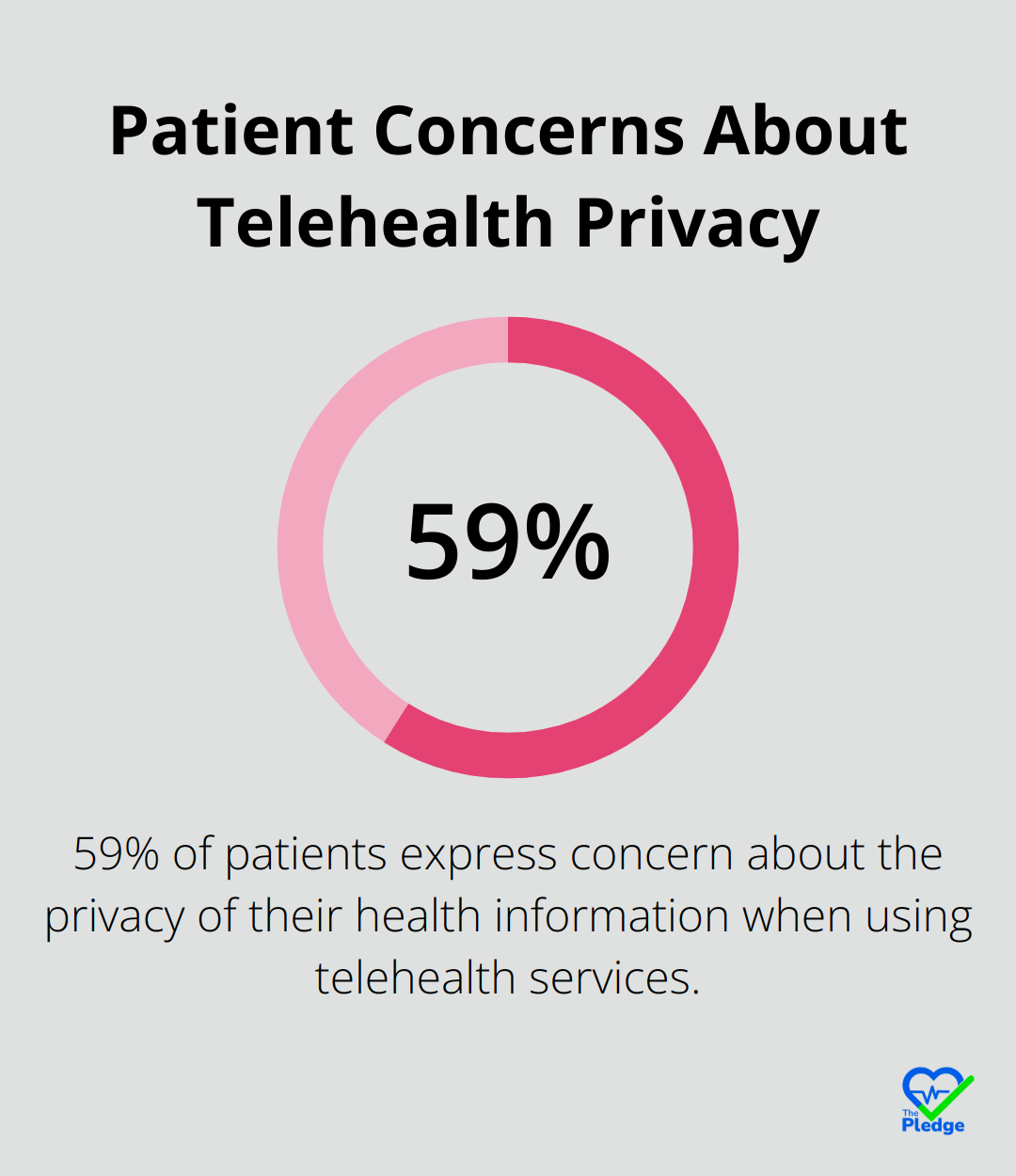
The Office of the National Coordinator for Health Information Technology reports that 59% of patients express concern about the privacy of their health information when using telehealth services. A platform with strong security features addresses these concerns and builds trust.
Seamless EHR Integration
Integration with EHRs and practice management systems streamlines workflows. This integration allows healthcare providers to access and update patient information directly within their existing systems. It eliminates the need for double data entry, saving time and reducing errors.
A survey by the American Medical Association found that 70% of physicians consider EHR integration a top priority when choosing a telehealth platform. This statistic highlights the importance of this feature for healthcare providers.
User-Centric Design
A user-friendly interface is essential for both patients and healthcare providers. For patients, this means intuitive navigation, clear instructions, and easy access to their health information. For providers, it involves streamlined workflows, customizable dashboards, and quick access to patient data.
Platforms with user-centric design have seen adoption rates increase by up to 40% (according to a report by the Healthcare Information and Management Systems Society). This increase in adoption directly correlates with improved patient engagement and better health outcomes.
Customizable Workflows
Every healthcare specialty has unique needs. A robust telehealth platform offers customizable workflows to accommodate these differences. For example, a mental health provider might need features for mood tracking and medication management, while a dermatologist might require high-quality image sharing capabilities.
The ability to tailor the platform to specific needs not only improves efficiency but also enhances the quality of care.
These features form the foundation of a truly robust telehealth integration platform. They work together to create a seamless, secure, and efficient telehealth experience for both patients and providers. As we move forward, the next chapter will explore how to evaluate these platforms effectively, ensuring you select the right solution for your healthcare organization’s unique needs.
How to Choose the Right Telehealth Platform
Selecting the ideal telehealth integration platform is a critical decision for healthcare organizations. We’ll guide you through the key factors to consider when evaluating telehealth platforms effectively.
Compatibility is Key
Start by assessing how well the platform integrates with your existing healthcare infrastructure. This includes your EHR system, practice management software, and any specialty-specific tools you use. A platform that seamlessly connects with your current setup will minimize disruption and maximize adoption rates.
A large hospital network saw a 35% increase in telehealth utilization after switching to a platform that integrated directly with their EHR. This integration eliminated the need for double data entry, saving each provider an average of 45 minutes per day.
Future-Proofing Your Investment
Consider the scalability and growth potential of the platform. Healthcare needs evolve rapidly, and your telehealth solution should keep pace. Look for platforms that offer regular updates, have a clear roadmap for future features, and can accommodate an increasing number of users and specialties.
One mid-sized clinic initially chose a basic platform to save costs. Within a year, they had to switch providers due to limited scalability, costing them more in the long run. Avoid this mistake by thinking long-term.
Security and Compliance: Non-Negotiables
Analyze the security measures and compliance standards of each platform rigorously. HIPAA compliance is essential for covered health care providers and health plans providing audio-only telehealth. Look for additional security features like end-to-end encryption, multi-factor authentication, and regular security audits.
A 2024 healthcare data breach report revealed that 63% of breaches occurred due to inadequate security measures in third-party software. Don’t become part of this statistic. Prioritize platforms that take security seriously.
Support and Training: Often Overlooked
Evaluate the customer support and training options offered by the platform provider. The best technology is useless if your team can’t use it effectively. Look for providers that offer comprehensive onboarding, ongoing training, and responsive support.
ROI: Beyond the Price Tag
While comparing costs is important, focus on the overall return on investment (ROI). Consider factors like time saved, increased patient satisfaction, and potential revenue growth from expanded services.
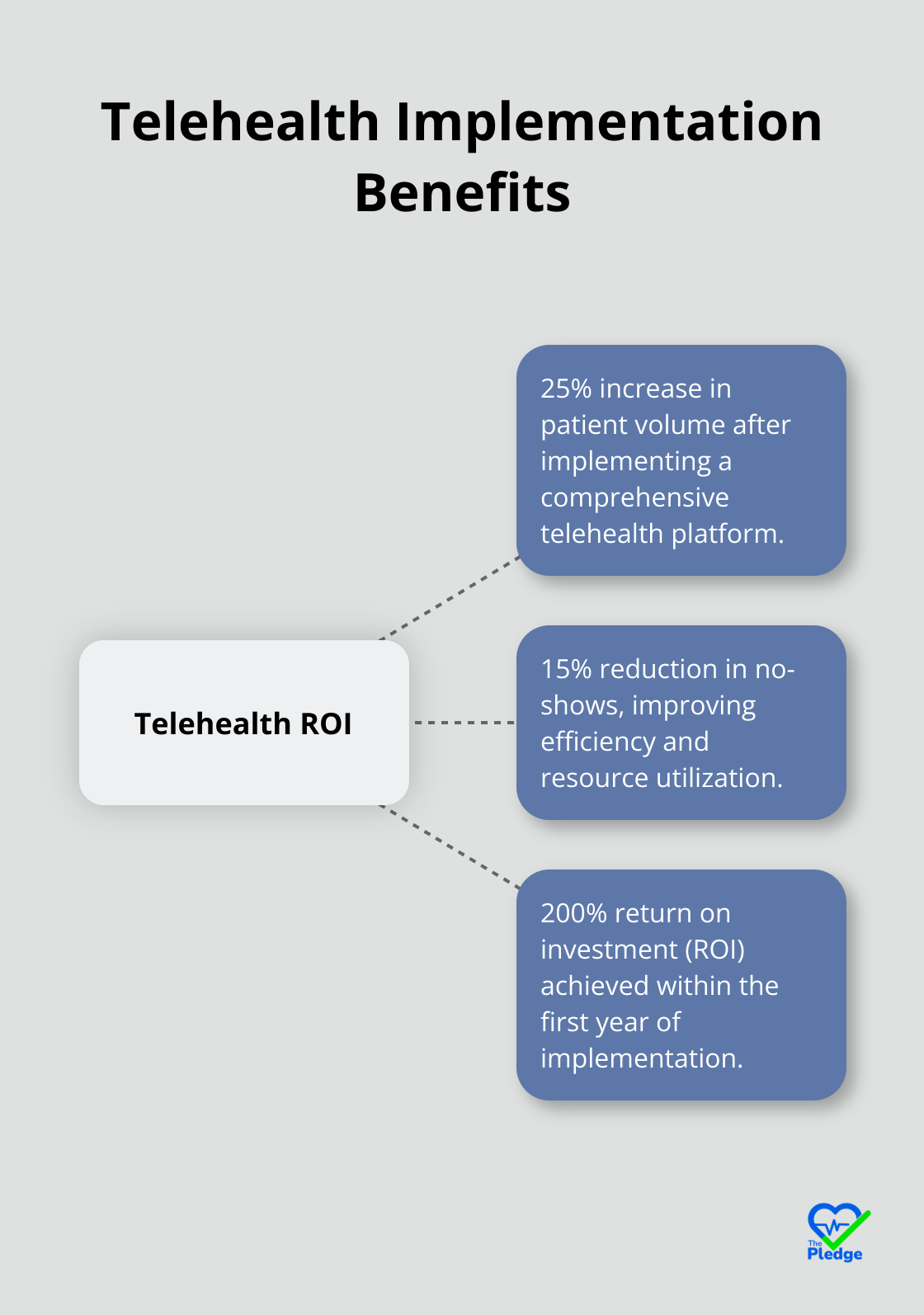
A small private practice initially hesitated at the cost of a comprehensive telehealth platform. However, after implementation, they saw a 25% increase in patient volume and a 15% reduction in no-shows, resulting in a 200% ROI within the first year.
When evaluating telehealth platforms, look beyond flashy features. Focus on compatibility, scalability, security, support, and overall value. The right platform will not only meet your current needs but will also grow with your organization, ensuring long-term success in the evolving landscape of digital healthcare.
Final Thoughts
Selecting the right telehealth integration platform will shape the future of healthcare delivery. Real-time data synchronization, advanced security, and seamless EHR integration form the core of effective telehealth solutions. These elements create platforms that meet current needs and adapt to the evolving digital health landscape.
Healthcare organizations must consider compatibility, scalability, security, support, and return on investment when evaluating telehealth platforms. A well-chosen solution will improve patient engagement, enhance health outcomes, and generate significant cost savings for patients and providers. The long-term benefits of such an investment are substantial.
The Pledge leads the transformation of healthcare experiences by centralizing care management and using AI-powered technology. This approach simplifies healthcare navigation and promotes preventative care (lowering costs for employees and employers). The path to fully integrated telehealth is clear, positioning healthcare providers at the forefront of the digital health revolution.
![[Guide] Incentives That Drive Preventive Health Participation](https://thepledge.app/wp-content/uploads/emplibot/Guide_-Incentives-That-Drive-Preventive-Health-Participation_1783650286-300x168.jpeg)