
At The Pledge, we’ve witnessed a surge in demand for personalized wellness programs. These tailored health solutions are revolutionizing how individuals approach their well-being.
Personalized wellness programs offer a unique blend of data-driven insights, customized plans, and ongoing support to help people achieve their health goals. In this post, we’ll explore the benefits of these programs and how they’re shaping the future of health and wellness.
What’s Driving the Personalized Wellness Revolution?
The Wellness Industry’s Seismic Shift
The wellness industry is undergoing a transformation. Personalized wellness programs have evolved from a luxury to a necessity. High-end wellness resorts and luxury hotels are now offering services like personalized IV drips, full-body MRI scans, and longevity-focused treatments. These tailored health solutions utilize data-driven insights to create custom plans that address individual needs and goals.
The Numbers Paint a Clear Picture
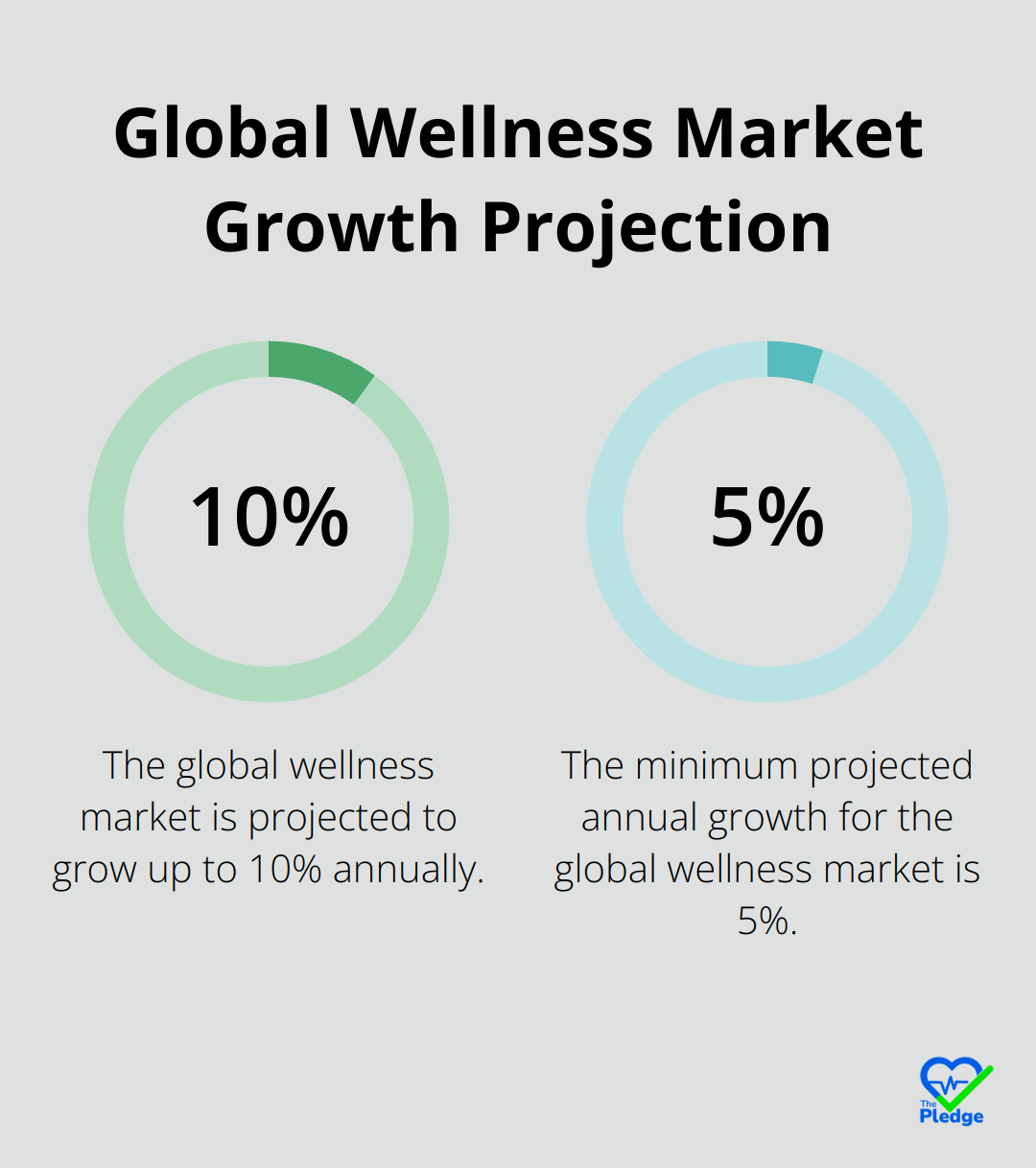
The global wellness market is thriving. It currently stands at over $1.5 trillion, with annual growth projections of 5 to 10% (according to McKinsey). This surge isn’t about fancy spa treatments or trendy superfoods. It’s about people taking control of their health through personalized approaches.
One-Size-Fits-All Approach Falls Short
Generic wellness programs no longer suffice. People demand solutions that address their unique health challenges and lifestyle preferences. A study by the National Institutes of Health revealed that patients with chronic conditions benefit significantly more from personalized and continuous care management compared to traditional, fragmented approaches.
Technology: The Game-Changer
Wearable devices, health apps, and AI-powered platforms (like The Pledge) are revolutionizing wellness approaches. These tools collect real-time data on everything from heart rate to sleep patterns, enabling truly personalized health recommendations.
Mental Health Takes Center Stage
The pandemic thrust mental health into the spotlight. Now, 42% of consumers consider wellness a top priority (McKinsey’s Future of Wellness Survey). This shift has sparked a surge in demand for personalized mental health support and stress management tools.
Employers Embrace the Movement
Companies recognize that healthy employees are productive employees. Personalized wellness programs have become a key component of employee benefits packages. These programs not only improve health outcomes but also boost engagement and reduce healthcare costs.
The rise of personalized wellness programs signifies a fundamental shift in health and well-being approaches. As we gather more data and develop smarter technologies, these programs will continue to evolve in sophistication and effectiveness. The next chapter will explore the key benefits of these customized wellness plans and how they’re reshaping individual and corporate health strategies.
Why Personalized Wellness Programs Work
Precision Health: Tailored Interventions Drive Results
Generic health advice often misses the mark. Personalized programs use your unique data to create targeted interventions. A review found modest evidence that digital-only interventions have a positive impact on health-related outcomes in the workplace.
Instead of a blanket recommendation to “exercise more,” a personalized program might suggest specific activities based on your fitness level, preferences, and schedule. This precision makes it easier to stick to your health goals.
Workplace Wellness: Boosting Productivity and Satisfaction
Employers recognize the power of personalized wellness. A survey by the National Business Group on Health revealed that 92% of large employers now offer some form of wellness program, with personalized options gaining popularity.
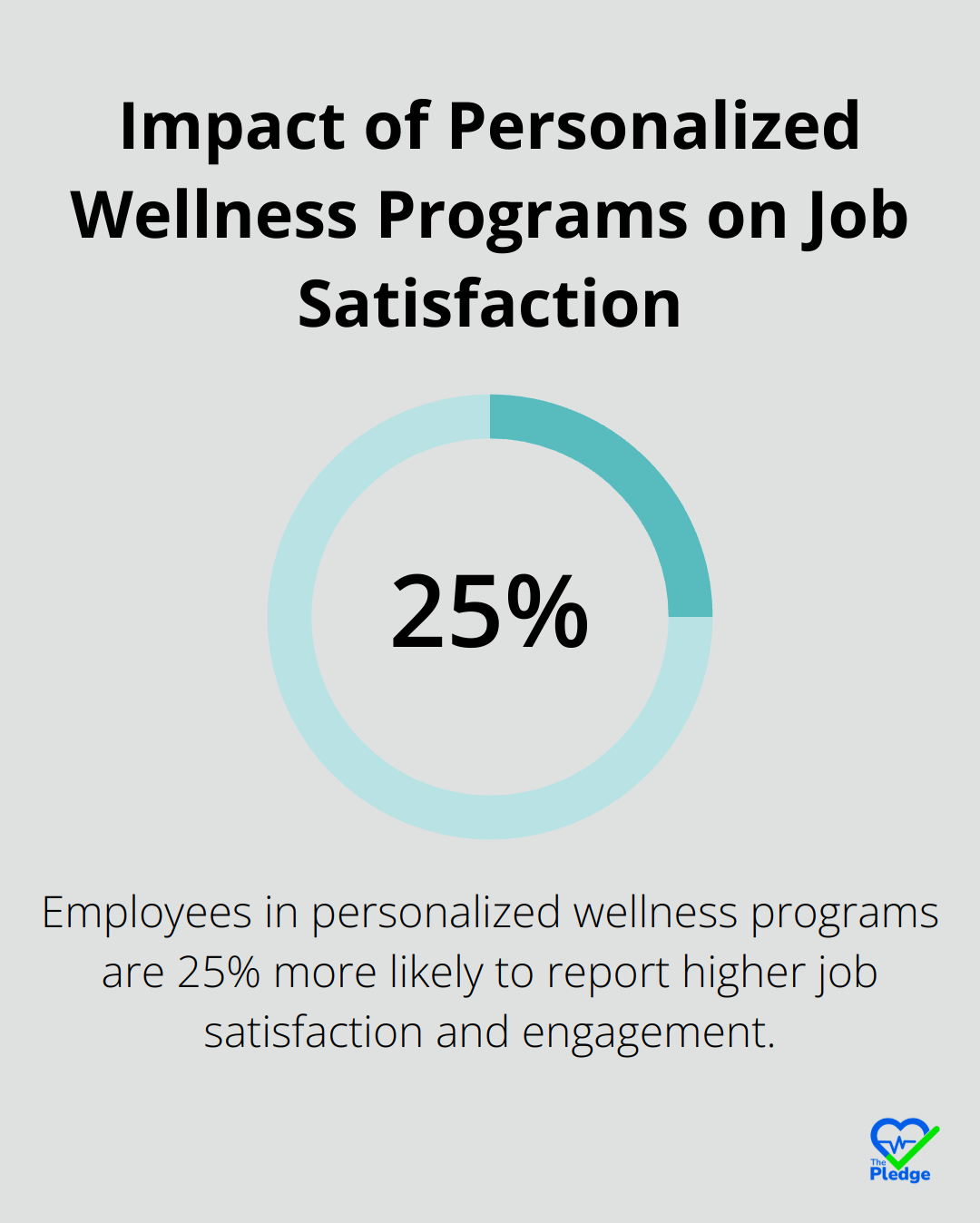
These programs improve more than just health – they boost productivity. A study in the Journal of Occupational and Environmental Medicine found that employees who participated in personalized wellness programs were 25% more likely to report higher job satisfaction and engagement.
Cost Savings: A Win-Win for Individuals and Employers
Personalized wellness programs benefit both health and finances. For individuals, these programs can lower healthcare costs through prevention and early intervention. A report by the American Journal of Health Promotion found that participants in comprehensive wellness programs reduced their healthcare costs by an average of $1,296 per person annually.
For employers, the savings can be significant. A RAND report combines existing evidence and original analyses to document composition of wellness programs and describe national patterns of program uptake among employers.
Data-Driven Insights: The Power of Personalization
The effectiveness of personalized wellness programs stems from their use of data-driven insights. These programs collect and analyze individual health data (such as activity levels, sleep patterns, and dietary habits) to create tailored recommendations.
This approach allows for continuous optimization of wellness strategies. As more data becomes available, the program can adjust recommendations to maximize effectiveness. This dynamic, responsive approach sets personalized wellness programs apart from static, one-size-fits-all solutions.
Beyond Physical Health: Addressing Mental Well-being
Personalized wellness programs don’t just focus on physical health; they also address mental well-being. This holistic approach recognizes the interconnectedness of physical and mental health, providing support for stress management, sleep improvement, and work-life balance.
By addressing these often-overlooked aspects of health, personalized wellness programs can have a profound impact on overall quality of life. This comprehensive approach to wellness sets the stage for our next chapter, where we’ll explore how to implement effective personalized wellness programs in practice.
How to Implement Personalized Wellness Programs
Effective personalized wellness programs require a strategic approach that leverages technology, data, and human expertise. We’ve seen firsthand how these programs can transform health outcomes when executed properly.
Harness the Power of Data
The foundation of any successful personalized wellness program is data. Wearable devices and health apps collect real-time information about an individual’s health status, activity levels, and lifestyle habits. These devices can measure long-term data in the naturalistic environment of study participants, allowing for ecologic momentary assessments.
Data collection is just the first step. The real value lies in analysis and interpretation. Advanced AI algorithms process this data to identify patterns, predict potential health risks, and generate personalized recommendations. AI-powered platforms analyze user data to create tailored health plans that evolve based on individual progress and changing needs.
Create Customized Nutrition and Fitness Plans
One-size-fits-all diets and workout routines often fail because they don’t account for individual differences. Personalized wellness programs address this by creating nutrition and fitness plans tailored to each person’s unique physiology, preferences, and goals.
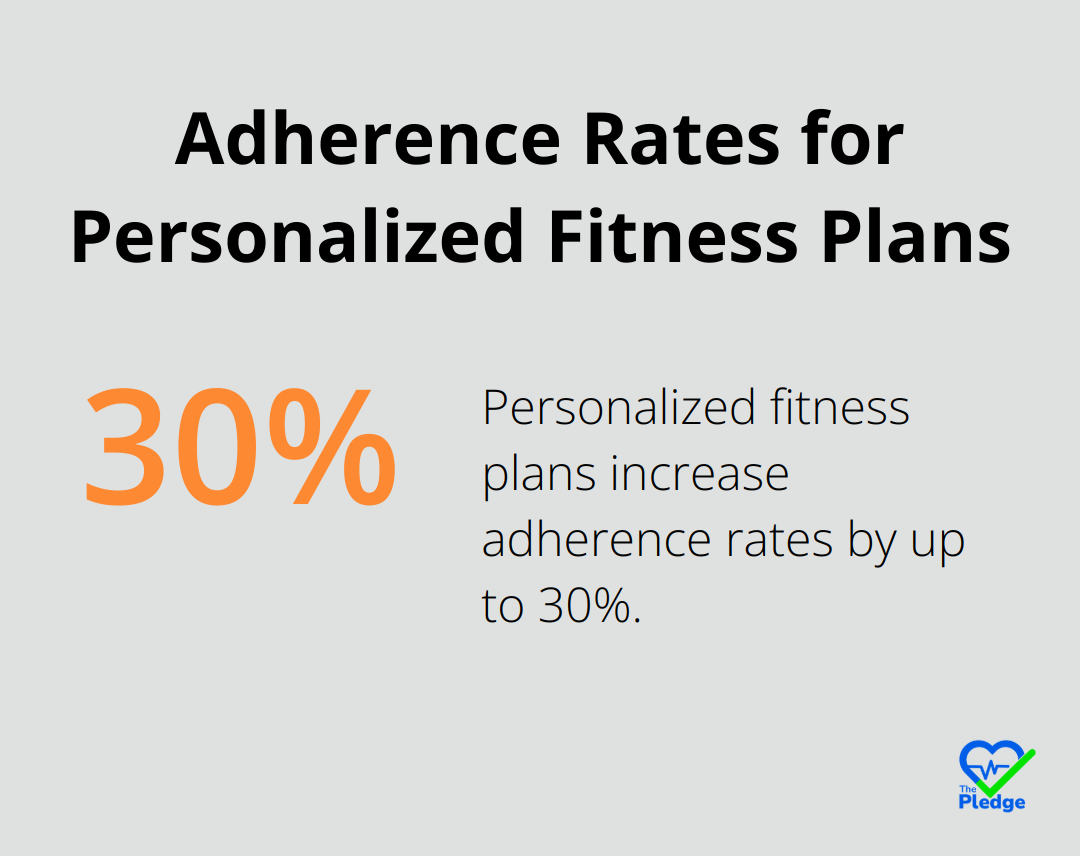
A study in the International Journal of Behavioral Nutrition and Physical Activity found that participants who received personalized nutrition advice showed a 5.5% greater reduction in BMI compared to those who received generic advice. Similarly, personalized fitness plans increase adherence rates by up to 30%.
Provide Mental Health Support and Stress Management
Mental health is a critical component of overall wellness, yet it’s often overlooked in traditional health programs. Effective personalized wellness programs incorporate mental health support and stress management tools.
These might include access to virtual therapy sessions, mindfulness apps, or AI-powered chatbots for immediate support. The American Psychological Association reports that 75% of people who use mental health apps experience some level of symptom reduction.
Encourage Preventive Care and Regular Health Screenings
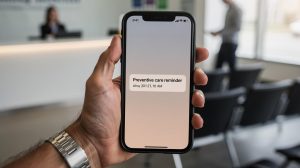
Preventive care is the cornerstone of long-term health. Personalized wellness programs should encourage regular health screenings and provide reminders for preventive care measures.
The Centers for Disease Control and Prevention estimates that if everyone in the U.S. received recommended clinical preventive care, more than 100,000 lives could be saved each year. Data and AI can identify which screenings are most relevant for each individual and send timely reminders.
Integrate with Existing Health Systems
For maximum effectiveness, personalized wellness programs should integrate seamlessly with existing health systems. This integration allows for a more comprehensive view of an individual’s health and enables better coordination between different healthcare providers.
The Pledge (a digital health platform) exemplifies this approach by integrating with existing health plans and centralizing health data. This integration provides real-time updates and reminders, simplifying care navigation and promoting a preventative care model.
Final Thoughts
Personalized wellness programs transform healthcare by leveraging technology, data analytics, and tailored interventions. These programs empower individuals to take control of their health through clear, actionable insights and support. Employers who implement personalized wellness programs can expect increased productivity, reduced healthcare costs, and improved employee satisfaction.
The future of health is personalized, and it’s within our reach. Advancements in AI, wearable technology, and data integration will enhance the accuracy and effectiveness of these programs. We’ll likely see more sophisticated predictive analytics, allowing for earlier intervention and prevention of health issues.
At The Pledge, we drive this revolution in personalized health. Our digital health platform integrates with existing health plans, centralizes health data, and provides real-time updates. We help individuals and employers achieve better health outcomes while lowering costs. The time to embrace personalized wellness programs is now.