
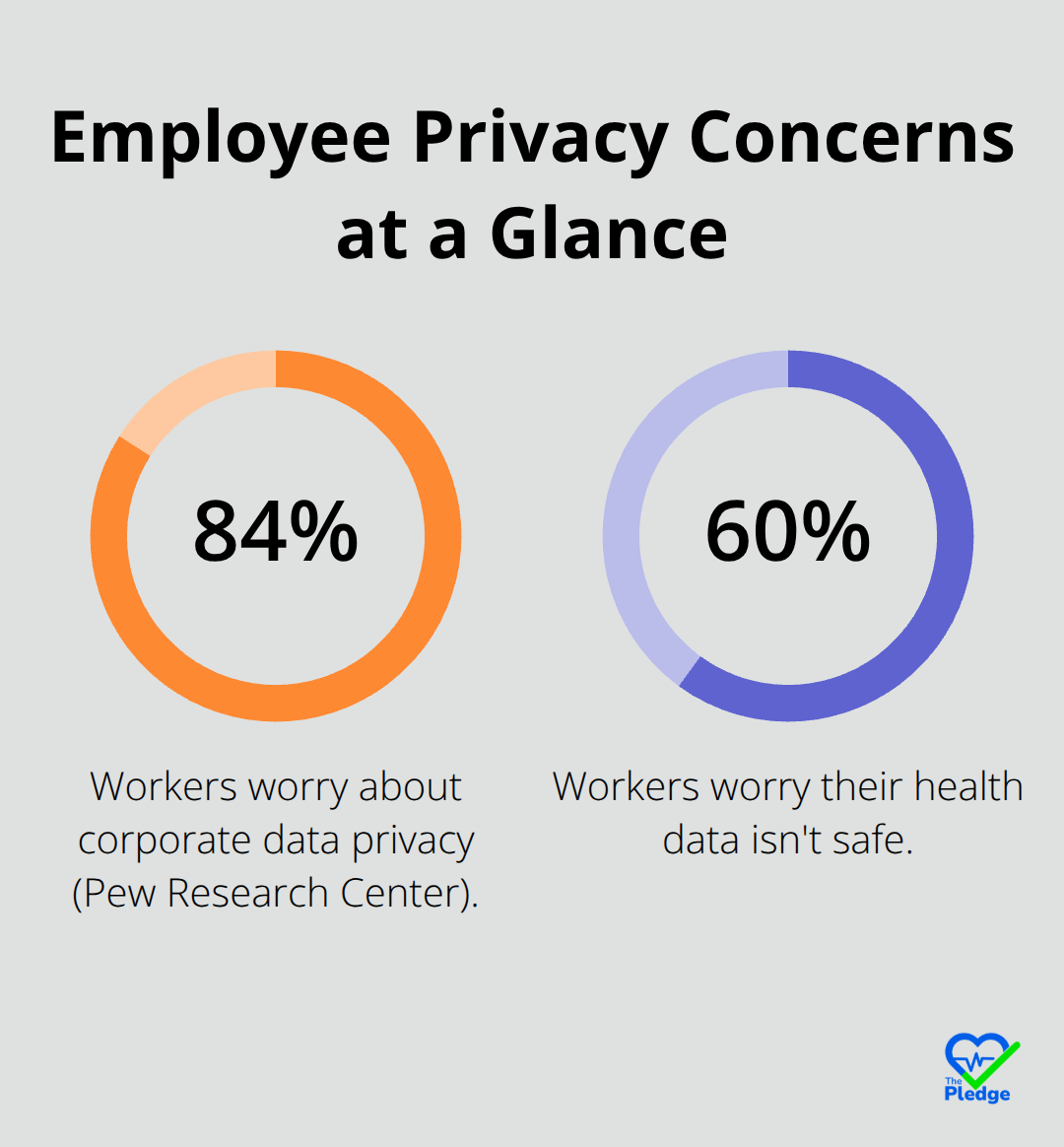
Employees are sharing more health data than ever before, yet 60% of workers worry their information isn’t safe. Data security compliance failures don’t just expose sensitive details-they erode the trust that makes digital health platforms work.
At The Pledge, we’ve seen firsthand how security breaches tank employee engagement and damage employer reputation. The platforms that win loyalty are the ones that make data protection transparent and non-negotiable from day one.
Do Employees Really Trust Their Health Data on Digital Platforms?
Health data breaches flood the headlines constantly, and employees take notice. According to Pew Research Center data, 84% of workers worry about corporate data privacy, and anxiety intensifies when health information enters the picture. The stakes feel personal because they are-health records contain information employees would never voluntarily share with strangers, yet employers require them to hand it over to access wellness programs.
This creates a fundamental tension: employees need digital health tools to manage care, but skepticism about whether companies will actually protect their information runs deep.
When Security Failures Destroy Engagement
A single breach causes damage that extends far beyond the immediate incident. When the Hamburg Data Protection Authority fined H&M €35.3 million for illegal employee surveillance, it sent a clear message about what happens when companies prioritize monitoring over protection. Employees who experience or witness data mishandling become disengaged-they stop using wellness features, avoid entering health information, and lose confidence in their employer’s judgment. The ripple effect hits harder than most leaders expect: if 60% of workers already worry their health data isn’t safe, a visible breach transforms that worry into active distrust. Engagement metrics plummet because employees rationally choose not to participate in programs they perceive as risky. Platforms that fail basic encryption or transparency standards see adoption rates collapse within months of a security incident, while those with transparent, auditable security practices maintain consistent engagement even after industry-wide breaches occur elsewhere.
Reputation Damage Goes Beyond Employees
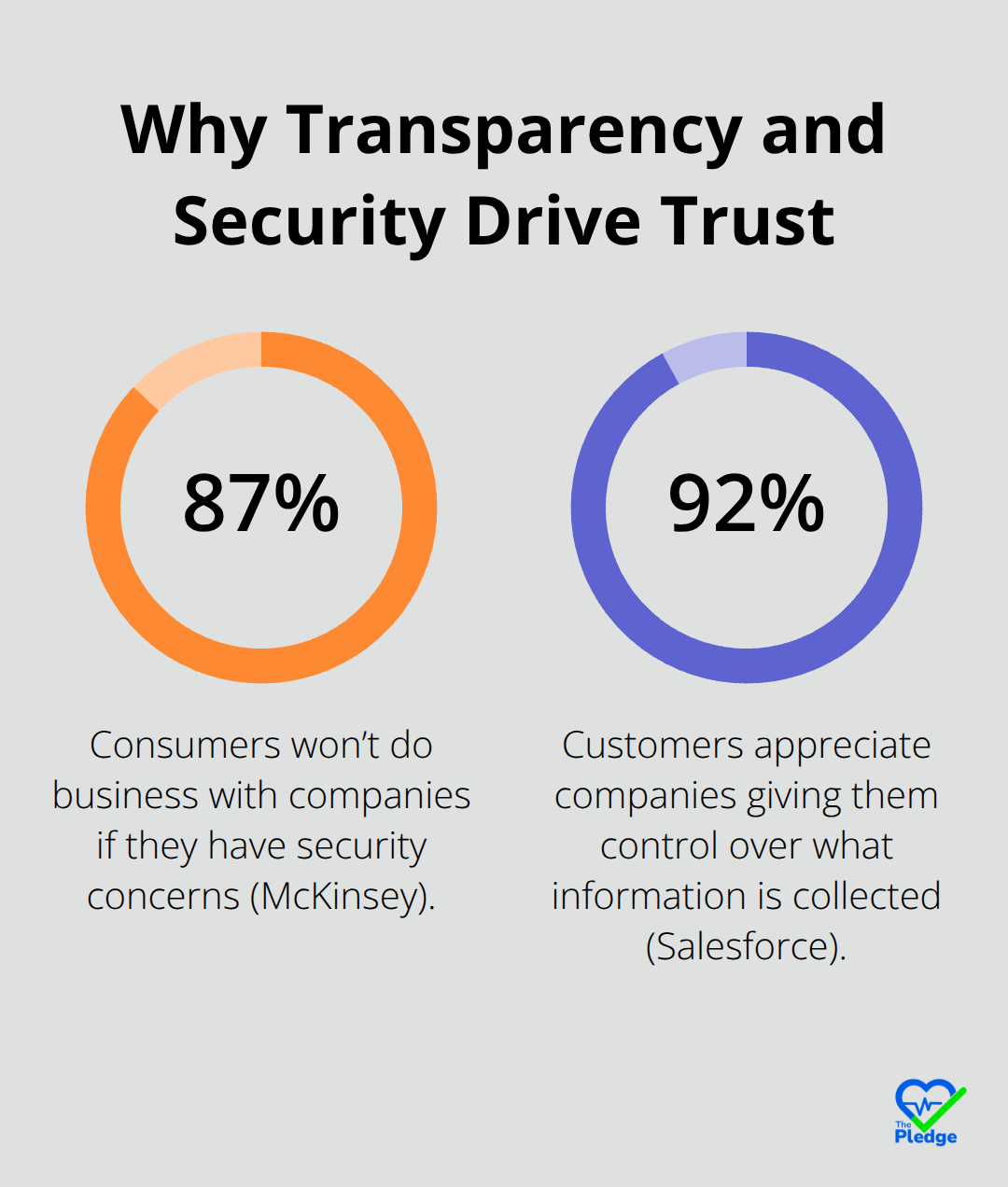
Employers often underestimate how quickly security failures tarnish their brand. McKinsey research shows 87% of consumers would not do business with a company if they have concerns about its security practices-and employees apply the same standard when evaluating their own employers. A healthcare data breach signals incompetence and negligence to current staff, future job candidates, and business partners. Insurance carriers, brokers, and benefit consultants now scrutinize platform security before recommending solutions, making compliance certifications and transparent security audits non-negotiable. The cost compounds: recovery from reputational damage takes years, while competitors offering genuinely secure alternatives capture market share and talent. Employers that invest in platforms with proven security infrastructure (regular audits, HIPAA compliance, encryption standards, and clear data governance) position themselves as trustworthy stewards of employee information, which directly influences both retention and recruitment.
What Employees Actually Expect From Secure Platforms
The gap between what platforms claim and what they actually deliver determines whether employees trust them. Workers expect platforms to encrypt health data both in transit and at rest, implement role-based access controls that limit who can view their information, and maintain transparent policies about data retention and sharing. When platforms fail to meet these baseline expectations, employees notice immediately. Compliance certifications matter-HIPAA compliance signals that a platform meets federal healthcare privacy standards, while regular third-party security audits demonstrate accountability.
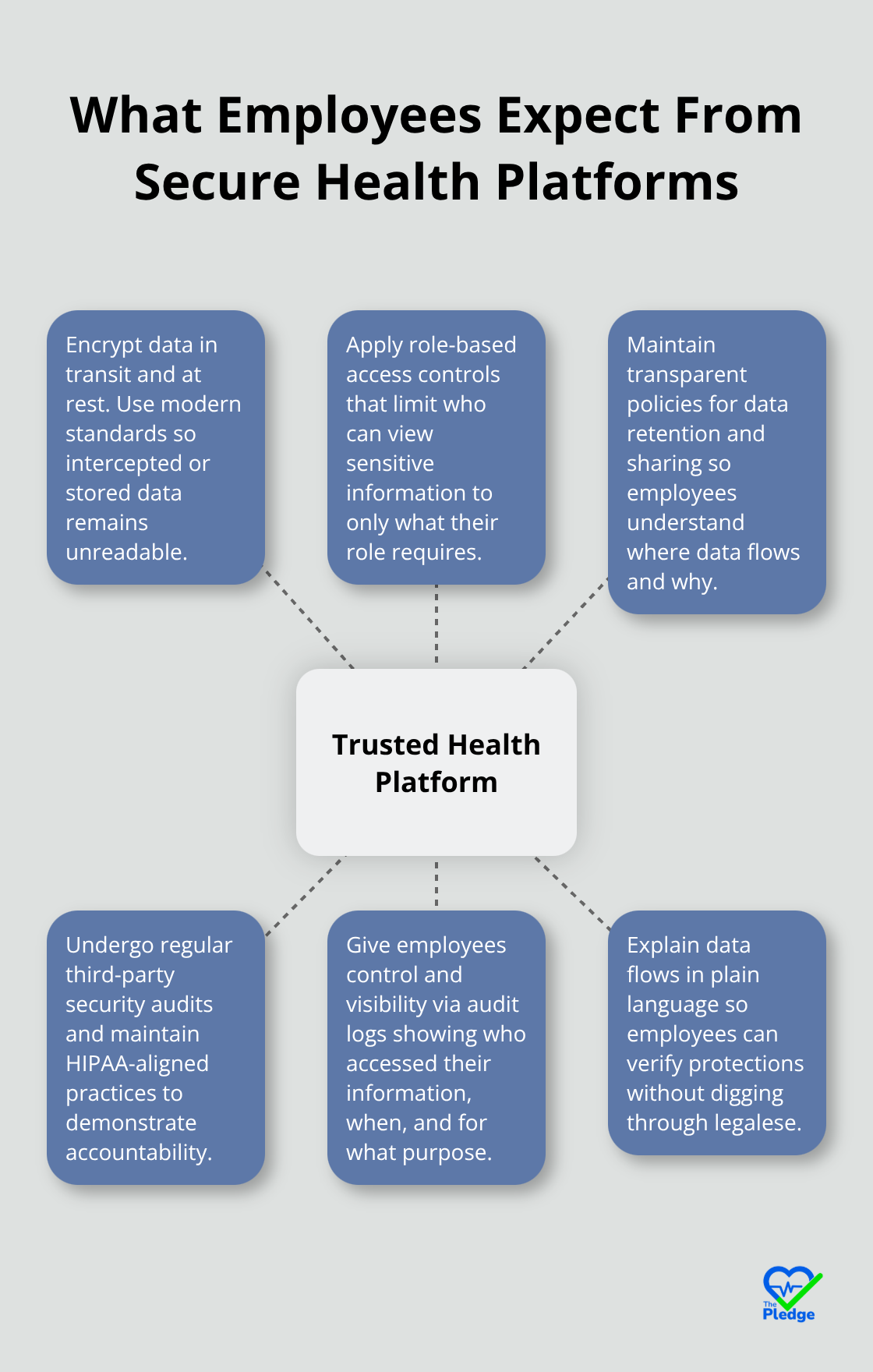
Employees also want clear communication about how their data moves through systems and who has access to it. Vague privacy policies or buried security information trigger skepticism, while straightforward explanations build confidence. Platforms that empower employees to control their own data-allowing them to see what information exists, who accessed it, and when-transform passive users into engaged participants who feel respected rather than surveilled.
What Security Features Actually Matter to Employees
Employees reject security theater. They care about whether their health data stays protected when it moves through systems, whether access controls actually limit who can see sensitive information, and whether compliance certifications mean something real. The platforms that win trust implement encryption standards employees can understand and verify, not ones that hide security details behind marketing language. End-to-end encryption matters because it keeps data unreadable during transit and at rest-if attackers intercept information or breach storage systems, the data remains useless to them. Role-based access controls matter because they prevent billing staff from viewing mental health records or HR administrators from accessing medication histories. When platforms implement these controls properly, employees notice the difference immediately through clearer privacy policies, audit logs showing who accessed their information, and straightforward explanations of data retention periods.
Compliance Standards Employees Actually Trust
HIPAA compliance signals that a platform meets federal healthcare privacy requirements, but most employees don’t understand what that means in practice. What they actually care about is whether the platform conducts regular third-party security audits-the kind performed by independent firms that publish findings and identify gaps. According to the IBM Cost of a Data Breach Report, organizations face significant financial exposure from breaches, yet many employers still deploy health platforms without verifiable audit trails. Employees expect platforms to prove they’ve been tested by external security researchers, not just claim compliance. Transparent certifications from recognized standards like ISO 27001 or SOC 2 Type II attestations demonstrate that a platform meets rigorous information security requirements. When platforms publish audit results and share certification details openly, employees see concrete evidence that security isn’t an afterthought.
Transparent Data Policies Beat Vague Privacy Language
Most digital health platforms bury data sharing policies in dense legal documents that employees never read. The platforms that build trust take a different approach: they explain clearly where health data flows, who accesses it, and why. Employees need to know whether their information goes to wellness vendors, insurance companies, or third-party analytics firms. They need to understand data retention periods-how long platforms keep their records and what happens when they delete data. Platforms that empower employees to control their own data (showing them exactly what information exists, who accessed it, when, and for what purpose) transform passive users into engaged participants. This transparency approach aligns with what Salesforce research shows: 92% of customers appreciate companies giving them control over what information is collected. Vague policies that mention data sharing without specifics trigger skepticism, while straightforward explanations about legitimate business purposes build confidence that the platform respects employee privacy.
Moving Beyond Compliance to Real Accountability
Employees distinguish between platforms that meet minimum legal requirements and those that go further to demonstrate genuine accountability. A platform that publishes security audit results, maintains transparent incident response procedures, and regularly updates employees about security improvements signals that leadership takes data protection seriously. When platforms establish clear escalation paths for security concerns and respond promptly to employee questions about data handling, they build the kind of trust that survives industry-wide breaches elsewhere. Employees also notice whether platforms limit data collection to what’s actually necessary for health management-collecting less sensitive information reduces exposure and shows respect for privacy boundaries. The platforms that earn lasting employee loyalty combine technical security measures (encryption, access controls, regular audits) with transparent communication that treats employees as partners in protecting their own health information rather than passive subjects of corporate data collection.
How to Build Trust That Actually Lasts
Security audits and certifications only matter if employees see them and understand what they mean. Most platforms conduct audits annually or every two years, then file the results away where no one looks at them. The platforms that build lasting trust take the opposite approach: they publish audit summaries, share certification details openly, and explain what independent security researchers actually tested. Employees need to know whether auditors examined encryption protocols, access controls, data retention practices, and incident response procedures. When platforms make audit findings visible and update employees regularly about security improvements, it signals that leadership treats data protection as an ongoing priority rather than a compliance checkbox. The IBM Cost of a Data Breach Report shows organizations lose an average of $4.88 million per incident, yet many still deploy health platforms without transparent security practices. Publish your audit timeline publicly, explain what third-party firms tested and why those tests matter, and commit to sharing results within 30 days of completion. Employees distinguish between platforms that meet minimum legal requirements and those demonstrating genuine accountability through transparent security practices.
Make Data Usage Communication Specific, Not Vague
Employees read privacy policies when they distrust a platform. The goal is to make your data practices so transparent that employees never feel the need to scrutinize legal documents. Specify exactly which vendors access health data and why, disclose data retention periods in plain language (not buried in footnotes), and explain the business purpose for each data collection activity. If your platform shares information with wellness vendors, insurance analytics teams, or employer benefits consultants, state this clearly upfront rather than hiding it in terms of service. Salesforce research found 92% of customers appreciate companies giving them control over what information is collected, yet most digital health platforms offer no visibility into who accesses employee records or when. Create a simple data flow diagram showing how information moves from employees through your system to vendors and back to employers. Allow employees to see an audit log showing exactly who accessed their health information, when, and for what purpose. This level of transparency transforms passive users into engaged participants who feel respected rather than monitored. Platforms that explain data usage clearly see higher adoption rates because employees no longer waste mental energy worrying about hidden data sharing practices.
Give Employees Real Control Over Their Information
The platforms that earn lasting loyalty give employees genuine control over their health data, not just the illusion of control. This means allowing employees to see what information exists about them, request corrections to inaccurate data, and understand exactly how their information contributes to wellness recommendations or employer insights. Implement data export capabilities so employees can retrieve their complete health records in standard formats. Allow employees to control which family members or providers can access specific health information through granular permission settings. Provide employees with straightforward options to delete or anonymize their data when they leave an employer or no longer need a wellness program. When platforms limit data collection to what’s actually necessary for health management and explain the reasoning behind each data point collected, it demonstrates respect for privacy boundaries. Employees also appreciate platforms that allow them to opt out of specific data uses without losing access to core health management features. This approach aligns with what research shows about employee expectations: people want to participate in decisions about their own information rather than having choices made for them. Platforms that empower employees with genuine data control see measurably higher engagement because users trust that their information serves their health goals rather than corporate surveillance objectives.
Final Thoughts
Data security compliance has become the baseline expectation, not a competitive advantage. Employees won’t adopt digital health platforms unless they trust that their information stays protected, and organizations that deploy platforms with weak security face breach costs averaging $4.88 million per incident plus reputational damage that takes years to repair. McKinsey research shows 87% of consumers won’t do business with companies they distrust on security-and employees apply the same standard to their employers.
At The Pledge, we built our platform around the principle that employees deserve to control their health data. Our AI-driven system centralizes medical information, benefits, and real-time health metrics while maintaining the security standards employees expect, integrating seamlessly with existing health plans, encrypting data at rest and in transit, and giving employees genuine visibility into who accesses their information and why. This approach drives measurably higher engagement because employees trust that their information serves their health goals rather than corporate surveillance.
Moving forward means committing to trust-centered design from the start-publish your security audit results openly, explain data flows in plain language, and give employees real control over their information. These practices cost less than recovering from a breach and build the kind of loyalty that survives industry-wide security incidents elsewhere. Explore how The Pledge simplifies health management while keeping employee data secure.





![[Guide] Incentives That Drive Preventive Health Participation](https://thepledge.app/wp-content/uploads/emplibot/Guide_-Incentives-That-Drive-Preventive-Health-Participation_1783650286-300x168.jpeg)